
Oven-Safe Glass Food Containers: A Buyer’s Guide to Safe Buying
A multifunctional, oven-safe glass food container promises to significantly simplify your kitchen routine: cook, store, reheat, and transport—all in one vessel. However, the market is flooded with products whose promises don't always hold up in practice. Before you invest, it's crucial to understand the common pitfalls that often only become apparent after a few weeks of use.
Many buyers report three central problems:
- The "Oven-Safe" Misconception: A container shatters during its first use in the oven or while cooling down. Not all glass is designed for high temperatures and rapid temperature changes.
- Leaky Lids: The lid, advertised as "airtight," warps after a few dishwasher cycles, or the locking mechanism wears out. The result is an unreliable glass lunch box that leaks in your bag.
- Lid Material Fatigue: The plastic lid becomes brittle, discolours, or stubbornly retains odours, which quickly diminishes the joy of the product and raises questions about food safety.
This guide will show you which objective criteria to look for to find a durable and truly functional solution for your kitchen.
What Really Matters: The Decisive Features of an Oven-Safe Glass Container
To avoid disappointment, you should base your purchasing decision on three verifiable parameters. These define the quality and versatility of a glass container.
1. Glass Body Material: Borosilicate Glass is the Gold Standard
The term "oven-safe" is only reliable if the container is made from borosilicate glass. Unlike conventional soda-lime glass, which can crack under sudden temperature fluctuations (thermal shock), borosilicate glass is distinguished by its high thermal resistance. Some manufacturers, like LocknLock for its Ovenglass series, specify heat resistance up to 400°C (without the lid). This allows the container to go from the refrigerator (after a brief adjustment period at room temperature) directly into a preheated oven, turning the glass container into a fully-fledged casserole dish with a lid.
2. Lid Design: Seal and Locking Mechanism
An airtight glass container with a lid depends on two components: the seal and the lock.
- The Seal: A high-quality seal is made of silicone. This material remains flexible even with temperature changes, is durable, and absorbs fewer odours than cheaper alternatives.
- The Lock: Robust clip-locks that snap shut on all four sides provide a mechanically secure and even pressure distribution on the seal. This is crucial for using the container as a leak-proof glass lunch box. Also, ensure the lid is declared BPA-free to guarantee that no unwanted chemicals leach into your food.
3. Shape and Capacity: Tailored to Your Needs
A container's functionality is largely determined by its shape and size.
- Rectangular and square shapes are particularly space-efficient and can be stacked effectively in the fridge and cupboards.
- Smaller containers (approx. 300–700 ml) are excellent as glass meal prep containers for single portions or side dishes.
- Medium sizes (approx. 1 litre) are all-rounders for dinner leftovers or as a casserole dish for two people.
- Large containers (from 2 litres) are ideal for family-sized portions, marinating meat, or baking larger casseroles.
Recommended Products by Use Case
Instead of making a one-size-fits-all recommendation, we have identified products tailored to specific usage scenarios.
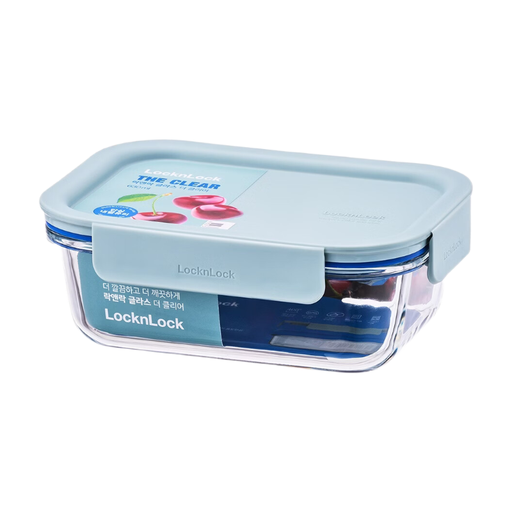
LocknLock Ovenglass Clear Rectangular Container, 630ml
Why This Fits Their Persona: Perfect for preparing single meals (meal prep), taking lunch to the office, or storing single-portion leftovers. Its compact size is space-efficient and practical for daily use.
The borosilicate glass body is oven-safe up to 400°C, according to the manufacturer. The lid, with its silicone seal and 4-sided locking system, ensures a reliably tight seal.
Highly versatile: Suitable for the oven, microwave, freezer, and dishwasher. The lid is BPA-free.
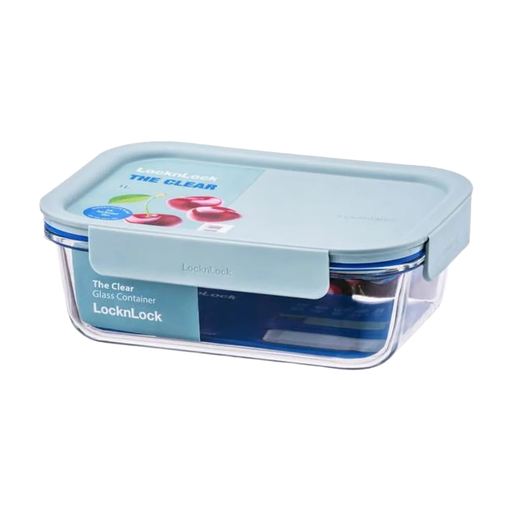
LocknLock Ovenglass The Clear, Rectangular, 1L
Why This Fits Their Persona: The 1-litre size is a universal all-rounder. It's large enough for a small casserole, family dinner leftovers, or prepping two lunches, yet still manageable enough for daily use.
The heat-resistant glass allows it to be used as a casserole dish. The proven LocknLock closure with a silicone seal prevents sauces or dressings from leaking.
The optimal balance of capacity and manageability. The rectangular shape is ideal for space-saving storage in the refrigerator.
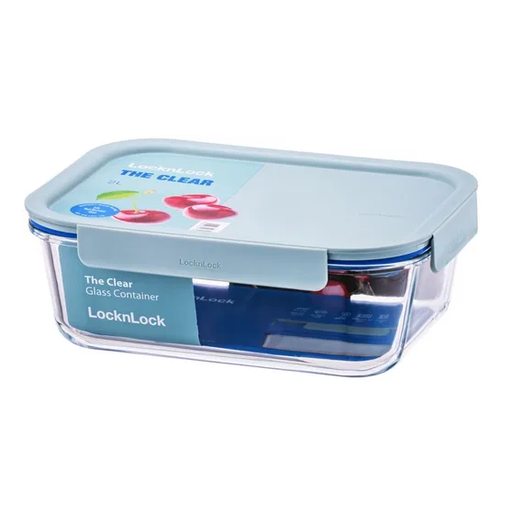
LocknLock Ovenglass The Clear, Rectangular, 2L
Why This Fits Their Persona: With a 2-litre capacity, this container is perfect for preparing meals for the whole family, whether it's a large lasagna, a gratin, or batch cooking for the week.
The robust borosilicate glass can withstand the weight and heat of large dishes. The lid securely and airtightly seals large quantities of food.
Replaces a separate casserole dish and allows you to cook, serve, and store in just one vessel. This saves on washing up and simplifies kitchen organisation.
Looking for more options?
We've compiled a complete, up-to-date list of products that fully meet these strict selection criteria and UK safety regulations.
Frequently Asked Questions (FAQ)
Can the lid of an oven-safe glass container go in the oven?
No, as a rule, the plastic lids are not designed for the high temperatures in an oven and would melt or warp. Always remove the lid before placing the glass container in the oven. Most lids are suitable for the microwave, but it is often recommended to open the lock to allow steam to escape. Always follow the manufacturer's instructions.
How do I prevent the silicone seal from absorbing odours?
The silicone seal can absorb odours, especially from strong-smelling foods like curries or dishes with garlic. For a thorough cleaning, you can remove the seal from the lid and wash it separately by hand. For stubborn odours, it helps to soak the seal for a few hours in a solution of warm water and vinegar or baking soda, and then let it air dry completely.
What exactly is thermal shock and how can I prevent it?
Thermal shock refers to the stress in the glass caused by an abrupt and extreme temperature change, which can lead to breakage. Even heat-resistant borosilicate glass has its limits here. Avoid placing a hot glass container directly from the oven onto a cold or wet surface (e.g., a cold stone countertop) or rinsing it with cold water. Instead, let the container cool down on a wooden board or a trivet. Likewise, a frozen container should not be placed directly into a hot oven; let it thaw at room temperature first.