
Oven-Safe Glass Food Containers: Buyer's Guide to Avoid Mistakes
A high-quality, oven-safe glass food container is more than just a storage box. It's a casserole dish, pantry container, and meal-prep solution all in one—a versatile kitchen assistant that simplifies daily routines, from oven cooking and fridge storage to microwave reheating. However, the market is flooded with products that often fail to deliver on their promises. Many buyers discover only after a few weeks that their new container leaks, the lid has warped, or the glass has cracked in the oven.
As your Joybuy Product Recommendation Officer, I have analyzed the most common pitfalls to help you make an informed decision. Here are the three typical problems you should be aware of:
- The "Oven-Safe" Trap: Many manufacturers advertise their products as "oven-safe" but fail to specify the type of glass. Standard soda-lime glass can shatter due to rapid temperature changes (thermal shock). Placing a dish from the refrigerator directly into a preheated oven can become a safety hazard.
- Seal Failure: A container advertised as "leak-proof" that spills in your bag is more than just an annoyance. This is often due to low-quality silicone seals or weak locking mechanisms that lose their tension over time, failing to reliably contain liquids and odours.
- Hidden Material Weaknesses: While the glass itself may be high-quality, the lids are often made from cheap plastic that isn't dishwasher-safe, warps in the microwave, or contains harmful plasticizers (like BPA) that can leach into your food.
What Really Matters: The Key Features of a High-Quality Glass Container
To avoid these issues, you should check three technical parameters before making a purchase. These features determine the durability, safety, and functionality of your new food container.
Material Check: Why Borosilicate Glass is Essential for Oven Safety
The most important factor for a truly oven-safe glass food container is the material. Look specifically for borosilicate glass. Unlike regular glass, a borosilicate glass container has a lower coefficient of thermal expansion. This means it is extremely resistant to temperature changes. You can take such a container (without the lid) from the refrigerator and place it directly into an oven preheated to 400°C without fearing cracks or shattering. This property makes it the ideal casserole dish with a lid for flexible kitchen use.
Seal and Lock: The Secret to a Leak-Proof Container
Keeping a glass container with a lid airtight and leak-proof is the job of the locking system. The most reliable solution is a lid with a four-sided locking mechanism. These locks press the lid evenly onto the integrated silicone seal. A high-quality silicone seal is crucial: it should be flexible, durable, and ideally removable for easy and hygienic cleaning. Only this combination guarantees that soups or sauces can be transported safely and that food in the refrigerator won't absorb other odours.
Safety and Versatility: BPA-Free, Microwave-Safe, and More
Health-conscious consumers should ensure the lid is labeled as BPA-free. BPA (Bisphenol A) is a plasticizer suspected of being harmful to health, which can leach from plastic when in contact with warm or fatty foods. A high-quality glass meal prep container should also be fully microwave-safe (the glass container without the lid) and freezer-safe to ensure maximum flexibility from freezing to reheating.
Top Picks for Every Need
Based on these objective criteria, we have identified several products suitable for specific user profiles.
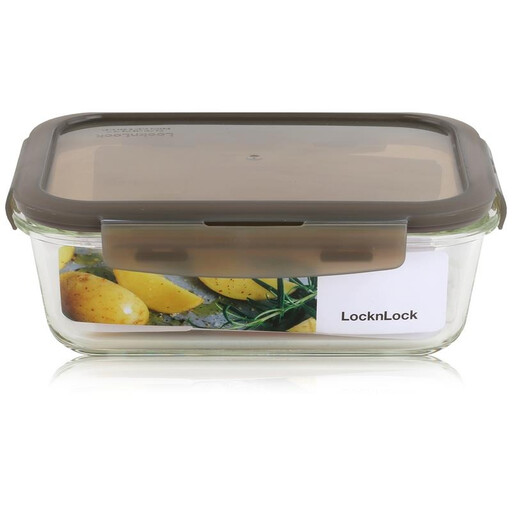
LocknLock Boroseal Glass Food Storage Container, 630 ml
Why This Fits Their Persona: Ideal for single servings, office lunches, or prepping smaller meals. The 630 ml size is compact yet spacious enough for a full meal.
The container is made of borosilicate glass, which the manufacturer states is heat-resistant up to 400°C, thus avoiding the "oven-safe" trap. The four-sided locking system with a silicone seal ensures reliably leak-proof performance.
High temperature resistance (oven, freezer). The lid is BPA-free, and the entire set is dishwasher-safe.
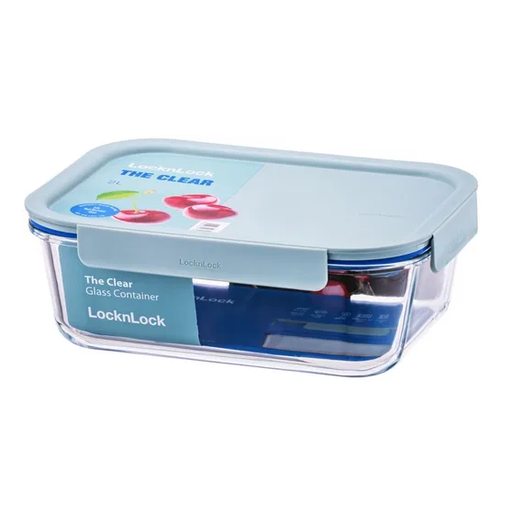
LocknLock Heat-Resistant Glass Food Storage Container, 2.0 L
Why This Fits Their Persona: Perfect for preparing lasagna, gratins, or large batches of side dishes. With a 2.0 L capacity, this container serves as a casserole dish with a lid, allowing you to cook, store leftovers, and serve directly from it.
The heat-resistant glass is designed for the oven. The lid creates an airtight seal thanks to the silicone gasket, preserving the freshness of large portions for days and preventing odour transfer in the fridge.
Large volume for family meals. Versatile use as a baking dish and glass storage container. Dishwasher-safe for easy cleanup.
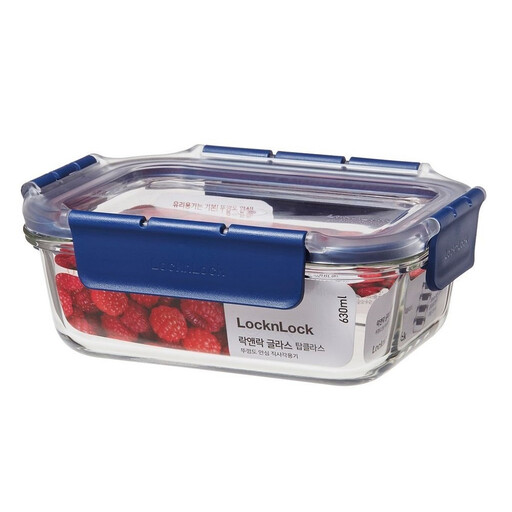
LocknLock Top Class Heat-Resistant Glass Container, 630 ml
Why This Fits Their Persona: For those who demand the highest standards of material and hygiene. The high-quality Tritan lid is particularly durable and stain-resistant, ideal for the daily transport of meals.
This model addresses the material weakness in lids: The BPA-free Tritan lid is more durable and hygienic than standard PP lids. The removable clip and seal allow for exceptionally thorough cleaning, preventing seal failure.
Premium materials (heat-resistant glass, Tritan lid). According to the manufacturer, it is suitable for the air fryer (up to 400°C, without lid). Stackable for space-saving storage.
Looking for more options?
We have compiled a complete, up-to-date list of products that fully meet these strict selection criteria and safety standards.
Frequently Asked Questions (FAQ)
What exactly does "oven-safe" mean for glass containers?
"Oven-safe" means the glass container (always without the lid) can withstand high temperatures in the oven. For borosilicate glass products, this limit is often 400°C. The plastic or Tritan lid must never be placed in the oven, as it would melt or warp. Always read the manufacturer's specifications for the maximum temperature.
Can I put a hot glass food container directly into the refrigerator?
No, you should avoid this. Even though borosilicate glass is highly resistant to temperature changes, an extreme thermal shock (e.g., from a 200°C oven directly onto a cold, wet surface or into the freezer) can lead to material fatigue or, in the worst case, breakage. Always let the hot container cool to room temperature first.
How do I clean the lid's seal hygienically?
On many high-quality models, like those from LocknLock Glass, the silicone seal can be removed from the groove in the lid. This allows for separate and thorough cleaning by hand or in the dishwasher. This prevents food particles or moisture from accumulating underneath, which inhibits mould growth and ensures long-term hygienic use.