
Asian Seasoning Pastes Buyer's Guide: How to Choose
The variety of Asian seasoning pastes on store shelves can be overwhelming. From fiery chilli paste to complex miso paste, these concentrates are the key to authentic flavours. But the selection process has its pitfalls. Many products don't live up to their labels, leading to disappointment in the home kitchen. As your Joybuy Product Recommendation Officer, I'll help you navigate the common traps and make an informed decision.
The most common problems when buying are:
- The "Authenticity" Trap: Many labels use terms like "traditional" or "authentic" without the ingredient list or origin to back it up. A paste made primarily of sugar, water, and artificial flavours will hardly capture the taste of a dish from Seoul or Sichuan.
- Hidden Fillers: A high concentration of sugar, salt, or flavour enhancers like monosodium glutamate (MSG) can mask low-quality main ingredients. The result is a one-dimensional taste instead of the expected complex depth.
- Vague Heat Levels: An inaccurate or missing indication of the heat level is a common frustration. What is pleasantly spicy for one person may be unbearably hot for another. This often results in a nearly full container sitting unused in the fridge.
What Really Matters: The Key Buying Criteria
To ensure you get a seasoning paste that adds real value to your dishes, you should check three core parameters before you buy Asian sauces.
1. The Ingredient List: A Look at Quality and Purity
The order of ingredients reveals their proportion in the product. For a high-quality chilli paste, chilli (or peppers) should be the first ingredient, not water or sugar. Pay attention to the percentage of the main ingredient if it's listed. A good Gochujang, for example, is based on fermented soybeans, rice flour, and chilli powder. Products that list corn syrup first often offer more sweetness than complex fermentation flavours. The basic ingredients are also crucial for Miso Paste: soybeans, rice (or barley), salt, and a koji culture. Additional fillers or preservatives are often an indicator of lower quality.
2. Origin and Paste Type: The Key to the Flavour Profile
Not every hot paste is the same. The country of origin and the specific type largely determine the flavour and application:
- Korean Pastes:Gochujang (chilli paste) is sweet, spicy, and fermented, ideal for stews, marinades, and dips. Ssamjang is a mix of Gochujang and Doenjang (soybean paste) and is traditionally served with Korean BBQ.
- Chinese Pastes: Chilli oils like Lao Gan Ma offer not only heat but also a crispy texture from fried chillies, beans, or peanuts. Doubanjiang (fermented broad bean paste) is salty, savoury, and the base for many Sichuan dishes.
- Southeast Asian Pastes:Sambal Oelek from Indonesia is a purist, very hot paste made from crushed raw chillies and salt. Thai curry paste (red, green, yellow) is a complex blend of herbs and spices like lemongrass, galangal, and coriander root.
3. Texture and Application: From Oil to Firm Paste
The consistency of a seasoning paste is crucial for its use. A liquid seasoning paste for noodles or a chilli oil is easy to stir in and distributes evenly. A firm, concentrated paste like Thai curry paste often needs to be fried in oil or coconut milk first to release its aromas. Thick pastes like miso or gochujang dissolve well in liquids, making them excellent for soups, sauces, and marinades.
Recommended Pastes for Flavor
Based on these criteria, we have compiled a selection of products suitable for different culinary profiles.
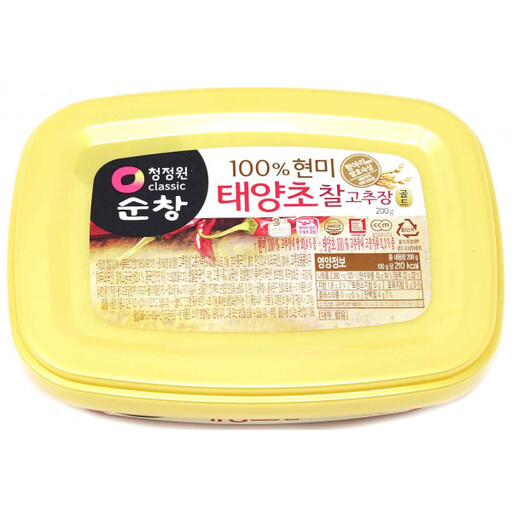
CHUNG JUNG ONE Hot Pepper Bean Paste (Gochujang) 200g
Why This Fits Their Persona: Ideal for anyone wanting to authentically recreate Korean dishes like Bibimbap or Tteokbokki. The paste offers a well-rounded balance of heat, sweetness, and umami without being too extreme.
The ingredient list is based on traditional components like brown rice and chilli powder. The flavour is complex and not just sweet, indicating a solid fermentation process.
Versatile for use in soups, sauces, and marinades. The 200g package is a great size for trying it out.
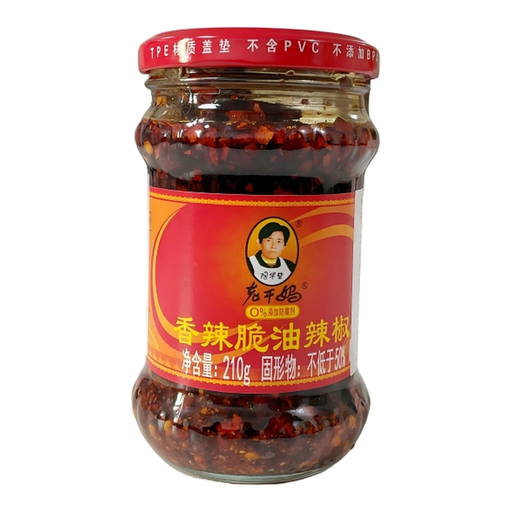
Lao Gan Ma Tao Huabi Spicy Chilli in Oil 210g
Why This Fits Their Persona: Perfect for anyone who wants to add not just heat but also a crispy texture to their dishes. Ideal as a topping for noodles, rice, eggs, or even on a simple piece of buttered toast.
This product delivers exactly what it promises: a savoury chilli oil with plenty of crispy bits like peanuts and fermented soybeans. The flavour is complex and not just spicy.
Ready to use and extremely versatile. The combination of heat, saltiness, and crunch makes it an indispensable condiment.
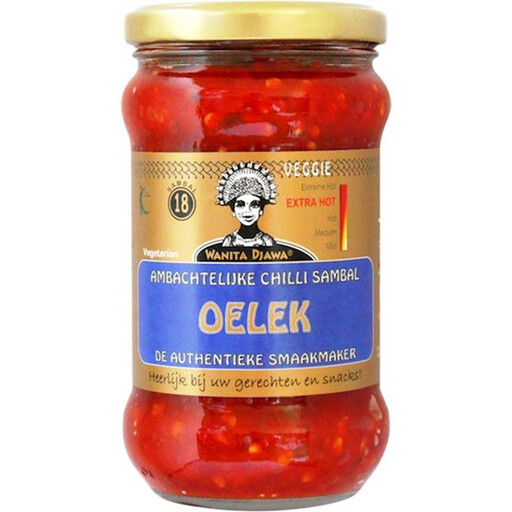
Wanita Djawa Oelek (Extra Hot) 290ml
Why This Fits Their Persona: For seasoned fans of spicy food who are looking for pure, intense chilli heat without many additional flavours. This Sambal Oelek is a pure condiment for giving dishes a powerful kick of heat.
The "Extra Hot" label is no exaggeration here. With an 88% red pepper content, this paste delivers a clean and honest heat. The ingredient list is short and focused on the essentials.
High chilli content for intense, unadulterated heat. Ideal for custom-spicing curries, soups, and stir-fry dishes.
Looking for more options?
We've compiled a complete, up-to-date list of products that fully meet these strict selection criteria.
Frequently Asked Questions
How should I store opened Asian seasoning pastes?
Most seasoning pastes, especially fermented products like miso and gochujang or those with a high oil content, should be stored in the refrigerator after opening. This slows down the oxidation process and preserves freshness and flavour. Be sure to always close the lid tightly. Using a clean spoon every time you take some out prevents contamination and extends its shelf life.
How can I identify a high-quality seasoning paste?
You can identify a high-quality paste by a short ingredient list where the main ingredient (e.g., chilli, soybeans) is listed first. A high percentage of this ingredient is also a good sign. The colour should be natural and vibrant, not artificially bright. A complex, multi-layered aroma instead of a predominantly sweet or salty one also indicates quality.
Are all Asian seasoning pastes spicy?
No, not at all. There is a wide range of non-spicy seasoning pastes that are prized for their deep umami flavours. These include, for example, Japanese Miso Paste, which tastes salty and earthy, or Chinese sweet bean paste (Tianmianjiang). Pure sesame paste or black bean paste also offer complex flavours without heat and are an excellent base for sauces and marinades.