
Buying Lao Gan Ma Chili Oil: A Guide to Avoiding Common Mistakes
As interest in authentic Chinese cuisine grows, so does the demand for key ingredients like Lao Gan Ma chili oil. This condiment, often called "chili crisp," has evolved from a niche product into a staple in kitchens worldwide. However, with its growing popularity comes a rise in products that fail to deliver on their promise. Many buyers are left disappointed by bland oils or a lack of crunch.
This guide will help you identify the most common pitfalls and make an informed decision. As a Joybuy Product Recommendation Officer, I analyse product information to provide objective, practical advice, ensuring you find the exact product that meets your expectations.
The 2 Most Common Mistakes When Buying Crispy Chili Oil
Before you buy Lao Gan Ma or choose an alternative, you should be aware of two common issues that often lead to a disappointing purchase.
- The "Crisp" Trap: Lack of Texture: Many products are labelled "Crispy" but ultimately consist of just chili flakes in oil. The characteristic, addictive texture of a true chili crisp comes from fried ingredients like soybeans, peanuts, or onions. Without these, you get a simple chili-infused oil, not the crunchy experience you expect.
- Unbalanced Flavour: All Heat, No Taste: A good Chinese chili sauce is defined by its complex depth of flavour—a balance of heat, salty umami, a hint of sweetness, and the aroma of spices. Some products focus solely on spiciness, neglecting the aromatic complexity that comes from ingredients like Sichuan pepper, fermented beans, or star anise. The result is one-dimensional heat without a rich, full-bodied taste.
What to Look For Before You Buy: 3 Key Features
To ensure you're getting a quality product, check the following three parameters on the label. They are the key to distinguishing an authentic Laoganma experience from a low-quality imitation.
1. The Ingredient List: The Indicator of Texture and Depth
The most important information is found in the ingredient list. Look for components that provide texture. A high-quality chili crisp should contain more than just oil and chilies.
- Crispy Elements: Look for ingredients like fried soybeans (fermented soybeans), peanuts, or even fried garlic and onions. These are responsible for the signature "crispy" texture.
- Umami Sources: Ingredients like fermented black beans (douchi), soy sauce, or monosodium glutamate (MSG) are crucial for the deep, savoury umami flavour that makes the oil so versatile.
2. The Oil Type and Aromatics
The base of the product is the oil. Rapeseed oil or soybean oil is typically used, serving as a neutral carrier for the flavours. More critical are the spices infused into the oil. The presence of Sichuan pepper indicates the characteristic "mala" flavour (a numbing spiciness), while other spices like star anise or cinnamon add a warming, aromatic complexity.
3. Quantitative Ingredient Declarations (QUID)
Pay attention to the percentage declarations for key ingredients like chili, peanuts, or soybeans. A specification like "Chili (20%), Peanuts (8%)" gives you a clear indication of the ratio of heat, texture, and oil. A high proportion of solid ingredients is often a good sign of a rich and crunchy product.
Top Picks for Different Users
Here are some recommendations tailored to different needs and preferences.
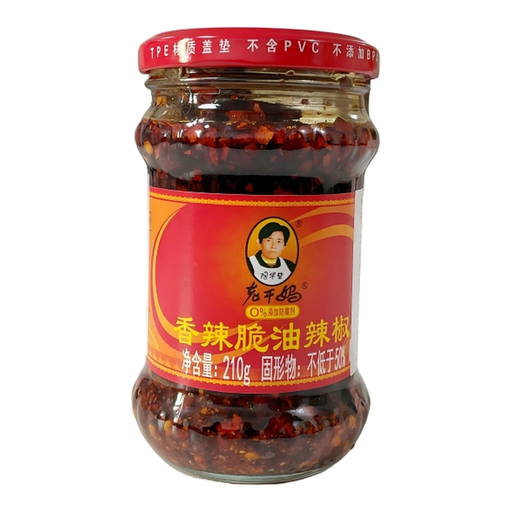
Lao Gan Ma Tao Huabi Spicy Chilli in Oil 210g
Why This Fits Their Persona: For anyone seeking the authentic, iconic flavour that started the chili crisp trend. This product is the benchmark for a balanced blend of heat, umami, and texture.
It bypasses the "crisp" trap with a high proportion of solid ingredients, including peanuts (8%) and fermented soybeans (6%), which provide the signature texture.
Authentic, complex flavour profile with a perfect balance of heat, saltiness, and umami. Extremely versatile as a topping or condiment.
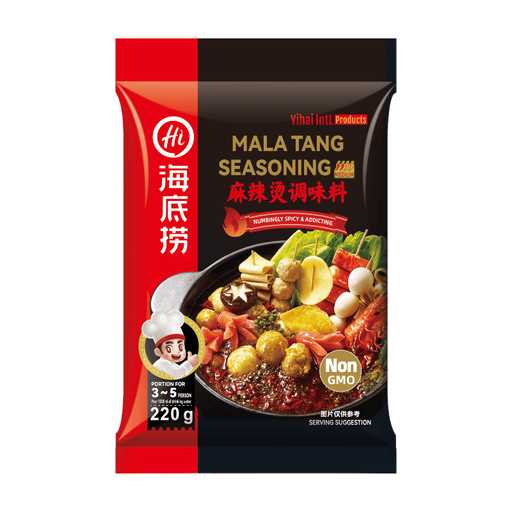
HAIDILAO Mala Tang Seasoning 220 g
Why This Fits Their Persona: Ideal for home cooks who want to create an authentic and complex broth for hot pot or noodle soups. This product provides a complete seasoning base that goes beyond a simple topping.
It avoids the unbalanced flavour trap by offering a carefully calibrated blend of Sichuan pepper (1.8%), chili, and fermented beans, delivering the classic "mala" taste.
A concentrated seasoning paste that yields a rich and aromatic broth for soups and stews. Saves time when preparing a complex flavour base.
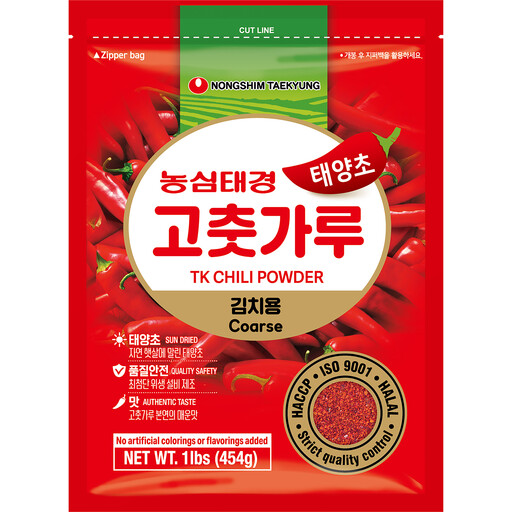
Nongshim Red Pepper Powder Coarse 454g
Why This Fits Their Persona: For cooks who want full control over the flavour and heat of their dishes. This coarse chili powder (gochugaru) is the ideal base for making your own chili oil or adjusting the spiciness of existing sauces.
This product is a pure ingredient and doesn't pretend to be a finished condiment. It avoids any misrepresentation, instead offering a high-quality foundation for your own creations.
Consists of 100% red pepper powder, offering an authentic, slightly sweet, and smoky heat. The coarse texture is ideal for making infused oils, as it doesn't burn immediately.
Looking for more options?
We have compiled a complete, up-to-date list of products that fully meet these strict selection criteria.
Frequently Asked Questions (FAQ)
1. How should you store Lao Gan Ma chili oil? For optimal shelf life, the jar should be stored in a cool, dry place away from direct sunlight. After opening, refrigeration is recommended to preserve the freshness of the ingredients. Since the solid components can settle at the bottom, it's a good idea to stir the oil well before each use.
2. Is Lao Gan Ma very spicy? The heat level of the classic version of Lao Gan Ma is considered moderate to medium-hot by most people. The product's focus is less on extreme heat and more on the complex interplay of aroma, umami, and crunchy texture. The spiciness is present but well-integrated into the overall flavour profile.
3. What does Lao Gan Ma pair best with? Versatility is one of this condiment's greatest strengths. It's an excellent topping for simple dishes like noodles, rice, or fried eggs. It can also be used to enhance soups, as a dip for dumplings, or to season stir-fries with vegetables and meat.