
Buying Gochujang: A Guide to Choosing the Right Korean Paste
For anyone looking to create authentic Korean dishes at home, one ingredient is indispensable: Gochujang. However, when it comes to buying the right Korean chili paste, many home cooks find themselves staring at a confusing array of options. Not all red pastes are created equal, and choosing the wrong product can completely alter a dish's flavour profile. This guide will help you navigate the common pitfalls and find the perfect paste for your culinary needs.
As a Joybuy Product Recommendation Officer, I see it as my mission to cut through the market noise and provide practical advice, empowering you to make an informed decision.
The 3 Most Common Mistakes When Buying Korean Cooking Pastes
Before you buy gochujang, you should be aware of the typical mistakes that often lead to disappointment in the kitchen.
- Confusing it with simple chili sauce: Many products are marketed as hot sauces but lack the characteristic depth of gochujang. True gochujang is a fermented paste, delivering a complex flavour born from a blend of heat, sweetness, and savoury umami. A basic chili sauce only delivers heat, missing the signature depth of flavour essential to Korean cuisine.
- The wrong paste for the wrong dish: The world of Korean cooking pastes is diverse. Using gochujang for Jajangmyeon (noodles with black bean sauce), for example, will yield a completely different result than intended. Each dish calls for a specific paste—whether it's gochujang, Doenjang soybean paste, or Chunjang black bean paste.
- Underestimating the package size: A large, bulk container often seems like a good value. However, fermented pastes can lose their aroma after opening if not used quickly enough. For occasional use, a smaller package is often the better choice to guarantee freshness and full-bodied flavour.
What Really Matters: The Core Features of a Good Paste
To make the right choice, you should check two key aspects: the ingredient list and the paste type.
1. The Ingredient List: The Foundation of Flavour
Authentic gochujang is based on a few key ingredients. A look at the label reveals its quality and flavour profile.
- Chili powder (Gochugaru): This is the source of the heat and the vibrant red colour.
- Glutinous rice (Chapssal): Provides a slight sweetness and the sticky consistency.
- Fermented soybeans (Meju): Deliver the deep, savoury umami flavour.
- Salt: Acts as a preservative and flavour enhancer.
Variations with ingredients like corn syrup are common and affect the paste's sweetness level. The composition determines whether it's a traditional, complex paste or a more modern, often sweeter, version.
2. The Paste Type: Gochujang Isn't the Only Option
Korean cuisine uses a range of fermented pastes (Jang), each serving a unique purpose.
- Gochujang (???): The red chili paste. It's spicy, slightly sweet, and salty. Ideal for braised dishes like Tteokbokki, as a base for Bibimbap Sauce, or in marinades.
- Doenjang (??): A salty, robust Doenjang soybean paste. It's the Korean equivalent of Japanese miso paste but often more intense and earthy in flavour. Essential for stews like Doenjang-jjigae.
- Ssamjang (??): A dip that typically combines gochujang and doenjang, often enhanced with garlic, onion, and sesame oil. The classic Ssamjang Dip is served with grilled meats and lettuce wraps (Ssam).
- Chunjang (??): A thick, black bean paste made from roasted soybeans. It forms the base for the famous Jajangmyeon sauce.
Recommended Cookware for Every Need
Instead of a one-size-fits-all recommendation, we've selected products for specific user profiles.
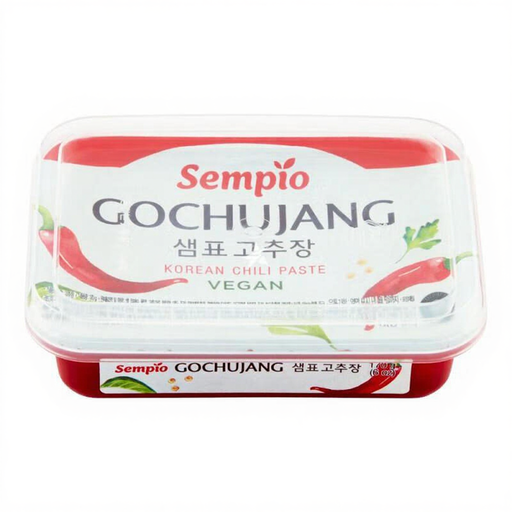
Sempio Gochujang Hot Pepper Paste 170g
Why This Fits Their Persona: Ideal for anyone just starting to explore Korean cuisine. The 170g package is perfect for occasional use, ensuring the paste doesn't lose its aroma. Sempio is an established brand known for its well-balanced flavour profile.
This is an authentic, fermented gochujang paste, not a simple chili sauce. The small size also prevents the issue of food waste from infrequent use.
A balanced blend of heat, sweetness, and umami. Versatile enough for stews, marinades, and sauces like the classic Tteokbokki Sauce.
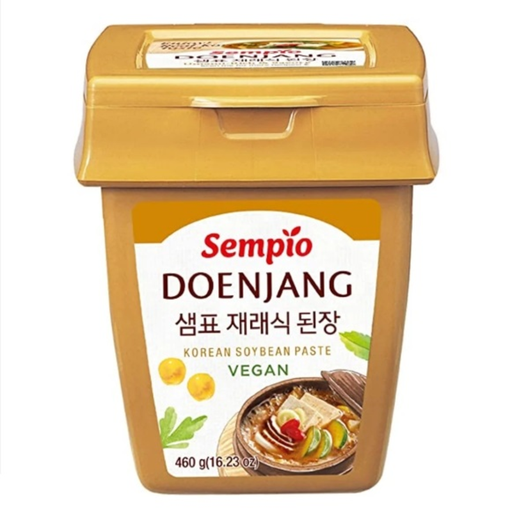
Sempio Doenjang Soybean Paste New Design 460g
Why This Fits Their Persona: Anyone who loves the deep, earthy flavour of Korean stews (Jjigae) needs doenjang. This paste is the foundation for dishes where savoury umami, not heat, is the star.
This product solves the problem of using the wrong paste. It makes it clear that an authentic Doenjang stew requires Doenjang soybean paste, not chili paste.
Delivers an intense, salty-savoury aroma that is essential for soups and stews. The Sempio paste is fermented using traditional methods.
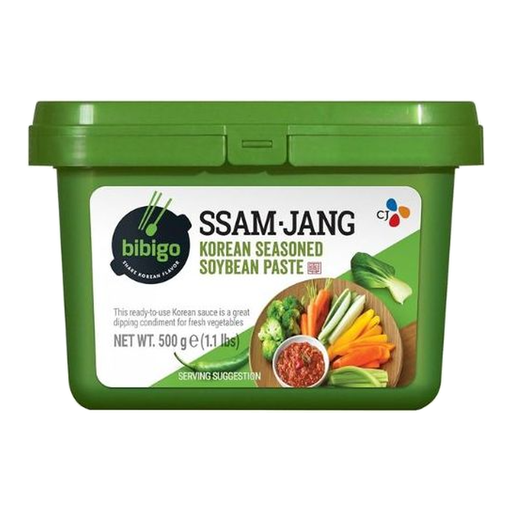
Bibigo Soybean Paste Ssamjang 500 g
Why This Fits Their Persona: For anyone who loves hosting Korean BBQ nights or eating Ssam (lettuce wraps). Ssamjang is the designated, ready-to-use dipping sauce that pairs perfectly with grilled meat and fresh vegetables.
This product is a pre-made blend, saving you from experimenting with your own ratios. It delivers the authentic taste of a Ssamjang Dip straight out of the container.
Combines the salty depth of doenjang with the sweet and spicy notes of gochujang. A convenient all-in-one solution for Korean barbecue nights.
Looking for more options?
We have compiled a complete, up-to-date list of products that fully meet these strict selection criteria and local regulations.
Frequently Asked Questions (FAQ)
1. How long does gochujang last after opening? Once opened, gochujang should be stored in the refrigerator. It will generally last for several months up to a year. Be sure to always use a clean spoon to avoid contamination. Over time, the colour may darken and the flavour may intensify, which is a normal part of the fermentation process.
2. Is gochujang the same as sriracha? No. Although both are red and spicy, they are fundamentally different. Gochujang is a thick, fermented paste with a complex, sweet, salty, and deep umami flavour. Sriracha is a thinner sauce made from chili peppers, vinegar, garlic, and sugar, which tastes primarily spicy and slightly tangy and is not fermented.
3. Do I need to cook gochujang before using it? Gochujang can be used both raw and cooked. In dips like ssamjang or as a seasoning for cold noodles, it is often stirred in raw. In many dishes, such as stews (Jjigae) or sauces for Tteokbokki, it is cooked along with other ingredients, which allows its flavour to develop and meld with the dish.