
Buyer's Guide to Dumplings: Avoiding Pitfalls
By Joybuy Product Recommendation Officer, August 29, 2026
Frozen dumplings promise a quick and delicious meal, bringing the taste of Asia directly into your kitchen. But anyone who has ever opened a package in disappointment knows the common pitfalls: the reality inside often fails to match the appealing picture on the box. Before you order Asian dumplings online again, it's helpful to know the most frequent shortcomings to make an informed decision.
The three most common problems when buying frozen dumplings are:
- The Unbalanced Wrapper-to-Filling Ratio: You look forward to a juicy filling but mostly get a thick, doughy wrapper. The dough is too dominant, and the filling is barely noticeable.
- Low-Quality or Vague Fillings: The ingredient list is vague, mentioning only "vegetables" or "meat" without precise percentages. Fillings are often bulked up with cheap extenders like starch or excessive amounts of cabbage, while the star ingredient is present only in trace amounts.
- Misleading Product Names: The packaging shows crispy gyoza, but the dough is unsuitable for pan-frying and turns soggy. Or it suggests "soup dumplings" (Xiao Long Bao) that are completely dry on the inside.
A careful look at a few key features can help you avoid these disappointments and find products that deliver on their promise.
What to Look for When Buying Frozen Dumplings
To objectively assess the quality of frozen dumplings, three parameters are crucial. These will help you separate the great from the mediocre and select products that offer an authentic taste experience.
1. Wrapper Type and Thickness: The Foundation of Flavour
The wrapper is more than just a casing; it's an integral part of the dumpling that largely determines its texture and the best cooking method.
- Jiaozi and Gyoza: These classic dumplings typically have a slightly thicker, elastic wheat dough. This wrapper is robust enough for boiling and is excellent for pan-frying (the potsticker method) to achieve a crispy bottom and a steamed top.
- Har Gow (Crystal Shrimp Dumplings): This Cantonese specialty is distinguished by a very thin, almost transparent wrapper made primarily from wheat and tapioca starch. It is meant exclusively for steaming to preserve its delicate, slightly chewy texture.
- Xiao Long Bao (Soup Dumplings): These require a particularly artful dough: thin, yet strong enough to hold the hot, liquid broth inside. They are also steamed.
Pay close attention to the product description to ensure the wrapper type matches your preferred preparation method.
2. Ingredient List Transparency
A detailed ingredient list is a clear sign of quality. Look for products that provide precise information about the filling's composition.
- Percentage Breakdown: Manufacturers who are confident in their ingredients often state the percentage of the main ingredient (e.g., "Pork 23%" or "Shrimp 25%"). This is an indicator that the filling isn't primarily composed of cheaper fillers.
- Specific Ingredients: Favour products that name specific ingredients (e.g., "Pak Choi," "Shiitake Mushrooms") instead of generic terms like "vegetables." This is especially important for vegetarian dumplings, where the variety and quality of the vegetables are crucial for the flavour.
- Order of Ingredients: Ingredients are listed in descending order by weight. If the main ingredient is near the top of the list, that's a good sign.
3. Filling Variety and Regional Differences
The world of Asian dumplings is vast. Whether you're looking for classic combinations or special delicacies, the selection is extensive. Popular varieties include:
- Pork and Chives: A Northern Chinese classic, juicy and aromatic.
- Shrimp and Bamboo Shoots: Typical for Cantonese Har Gow, with a crisp texture.
- Chicken and Corn: A milder option, often popular with families.
- Vegetarian Fillings: Combinations of tofu, mushrooms, glass noodles, eggs, and various vegetables like chives or pak choi.
When you specifically order dumplings online, you can find a far greater variety than in your local supermarket.
Our Top Picks for Different Tastes in 2026
Here are a few recommendations tailored to different preferences and requirements, all of which meet the quality criteria mentioned above.
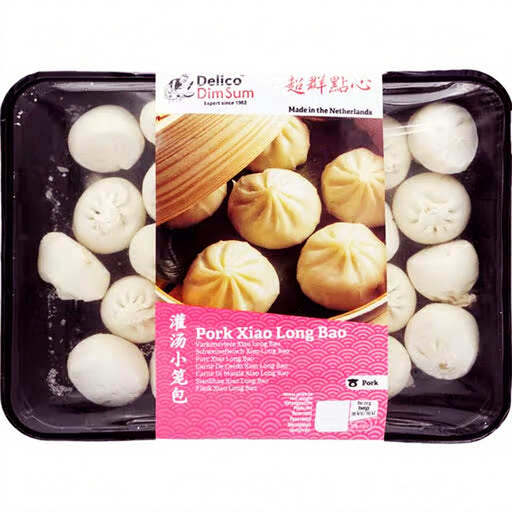
Delico Dim Sum Pork Dumplings Xiaolong Bao (Big Box) 780g
Why This Fits Their Persona: Ideal for anyone seeking the unique experience of Xiao Long Bao. These dumplings are specifically designed to release a rich, savoury broth inside when steamed—a delicacy that's difficult to replicate at home.
The product is explicitly labelled as a "soup dumpling" (Xiao Long Bao). The addition of gelatine to the filling, which melts upon steaming, is the traditional method for creating the liquid core, thus avoiding the pitfall of a dry filling.
Authentic Xiao Long Bao experience with a liquid centre. The 780g bulk pack offers excellent value for families or for stocking up.
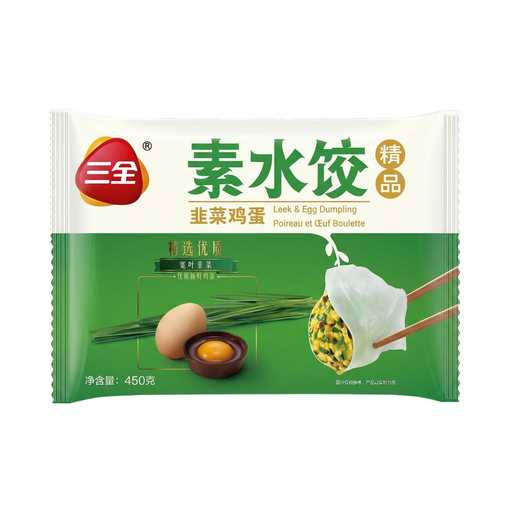
Sanquan Leek and Egg Dumplings 450g
Why This Fits Their Persona: Perfect for vegetarians and anyone looking for a classic, meat-free option. The combination of aromatic leek and savoury scrambled egg is a time-honoured classic in Chinese home cooking, offering a full-bodied flavour experience.
The filling is clearly and precisely declared ("Leek, Scrambled Egg, Vermicelli"). This avoids the trap of a vague "vegetable filling" where the flavour can be undefined. This ingredient combination is known for its intense aroma.
Classic, aromatic vegetarian filling. Versatile to prepare (boil, pan-fry, or steam), making it suitable for various meals.
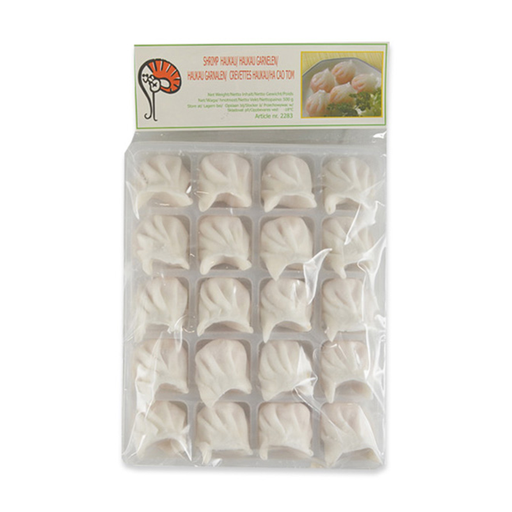
Mooijer-Volendam Ha Kau Shrimp Dumpling 500g
Why This Fits Their Persona: For those who appreciate the authentic taste of Cantonese dim sum. Ha Kau are the epitome of this cuisine, and this product aims to replicate the characteristic delicate, translucent wrapper and juicy shrimp filling.
The use of tapioca and wheat starch for the dough is specific to Ha Kau, aiming for the desired translucent, delicate texture. This avoids the pitfall of a thick, doughy wrapper. The declared 25% shrimp content promises a substantial filling.
Authentic Ha Kau texture from a special dough blend. High shrimp content (25%) for a premium filling. Exclusively for steaming to ensure an authentic result.
Looking for More Options?
We've compiled a complete, up-to-date list of products that meet our strict selection criteria.
Frequently Asked Questions (FAQ)
1. How do you properly pan-fry frozen dumplings so they are crispy on the bottom and juicy on top?
For the classic potsticker method, heat a little oil in a non-stick pan over medium heat. Place the frozen dumplings in the pan flat-side down and fry for 2–3 minutes until the bottoms are golden brown. Then, pour in about 100 ml of water (be careful, it may splatter), immediately cover with a lid, and let the dumplings steam for 5–7 minutes until the water has evaporated. Remove the lid and continue to fry for another minute to allow the bottoms to become crispy again.
2. What is the difference between Gyoza, Jiaozi, and Mandu?
All three are types of dumplings. Jiaozi is the broader Chinese term for this style of dumpling. Gyoza is the Japanese version, often featuring a thinner wrapper and a finer filling (frequently with garlic); they are almost always pan-fried. Mandu are the Korean version, which come in various shapes and with fillings like kimchi, and can be boiled, steamed, or fried.
3. Do I need a special steamer for dumplings?
A bamboo steamer basket is traditional and ideal, but not essential. You can also use a metal steamer insert for a standard pot. The important thing is to line the bottom of the basket or insert with parchment paper (with a few holes punched in it) or cabbage leaves to prevent the dumplings from sticking. Make sure the dumplings don't touch each other so they cook evenly.