
Frozen Dim Sum: A Buyer’s Guide to Authentic Flavour
By the Joybuy Product Recommendation Officer, August 28, 2026
The craving for authentic, restaurant-quality dim sum often leads many to the Frozen Dim Sum aisle. The convenience is undeniable: in just a few minutes, you can prepare dishes that evoke a trip to Asia or a visit to your favourite local spot. However, the path to the perfect at-home experience is often paved with disappointment. Many products simply don't live up to the promise of their attractive packaging.
This guide will help you navigate the most common pitfalls and make an informed choice, ensuring your next batch of frozen dumplings or bao buns meets your expectations.
The 3 Most Common Disappointments When Buying Frozen Dim Sum
Before you start buying Asian dumplings, you should be aware of the typical problems that often only become apparent after you open the package at home.
- Misleading Filling-to-Dough Ratio: The packaging shows plump, overstuffed dumplings, but the reality is quite different. Often, a thick, tough dough wrapper dominates a disappointingly small filling. The result is a doughy taste where the delicate flavours of the filling are completely lost.
- Lack of Authentic Flavour: Many frozen Asian snacks produced for Western markets have their flavours adjusted. Instead of traditional spices and ingredients, you'll often find simplified or altered recipes. Anyone seeking the genuine taste of frozen siu mai or a classic wonton soup will quickly be let down.
- Poor Texture After Cooking: A frequent issue stems from unclear or unsuitable cooking instructions. The result is mushy, disintegrated dumplings or a rubbery consistency. Proper preparation is crucial for success, especially with delicate items like gyoza or soup dumplings.
What Really Matters: 3 Criteria for Your Selection
To avoid these pitfalls, focus on objective characteristics found on the packaging. These provide reliable clues about the quality of the frozen Chinese food.
1. The Ingredient List: An Indicator of Authenticity
The list of ingredients is the most direct way to assess a product's authenticity. Look for traditional components that are typical for the specific type of dim sum.
- For Siu Mai and Wontons: Look for fillings with pork, shrimp, shiitake mushrooms, or bamboo shoots. These combinations are classic in Cantonese cuisine.
- For frozen gyoza: A typical filling consists of minced meat (usually pork) and vegetables like cabbage and chives.
- For Bao Buns: The dough should be leavened with yeast. Fillings vary widely, from sweet pastes (e.g., red bean, lotus) to savoury meat or vegetable fillings.
2. The Filling-to-Dough Ratio
Some manufacturers state the percentage-based ratio of filling to dough. A high filling content (often over 40% or 50%) is usually a good sign. The thickness of the dough wrapper is also critical. Products described as "thin-skinned" or having a "delicate wrapper" often promise a more balanced flavour experience where the filling takes centre stage.
3. The Recommended Cooking Method
The cooking instructions are not just a guide but also a quality indicator. Precise details on temperature and cooking time (e.g., "steam for 10–12 minutes" or "fry at 170°C") suggest that the product has been optimised for a specific cooking method.
- Steaming: Ideal for most dumplings like siu mai, har gow, and bao buns. This method preserves the delicate texture and juicy interior.
- Boiling: Primarily used for wontons served in a wonton soup. The wrapper should become silky, not mushy, during cooking.
- Pan-Frying: The classic method for frozen gyoza or scallion pancakes to achieve a crispy bottom and a juicy interior.
Picks for Every Palate
Here are a few recommendations tailored to different needs and flavour profiles.
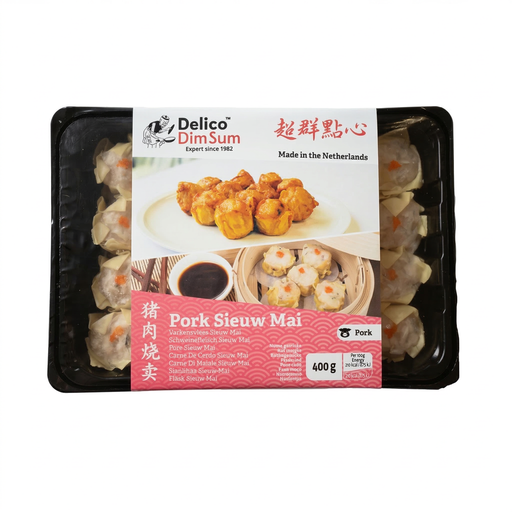
Delico Dim Sum Pork Siu Mai (Medium) 400g
Why This Fits Their Persona: Ideal for those who want to experience the authentic taste of a Cantonese teahouse at home. The classic filling of pork and shrimp in a thin wheat wrapper adheres to the traditional recipe.
This product avoids the trap of inauthenticity with a recipe that stays true to the original. The thin wrapper ensures a balanced ratio with the juicy filling.
Classic Cantonese filling; ready in 10-12 minutes by steaming.
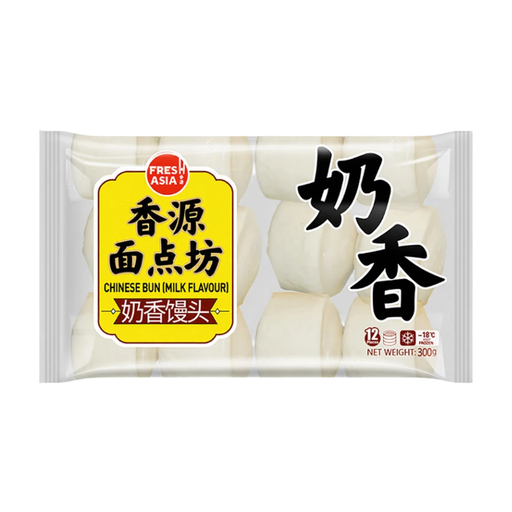
Freshasia Noodle House Creamy Buns 300g
Why This Fits Their Persona: These small, steamed buns with a creamy milk filling are a quick and easy option for breakfast, dessert, or an afternoon snack. Their bite-sized nature and mild flavour make them a hit with kids, too.
Preparation is incredibly simple (steaming), which minimises the risk of error. The product is exactly what it promises: a simple, sweet bun without a complex filling that could lead to disappointment.
Very quick to prepare; mild, sweet flavour; small, kid-friendly portions.
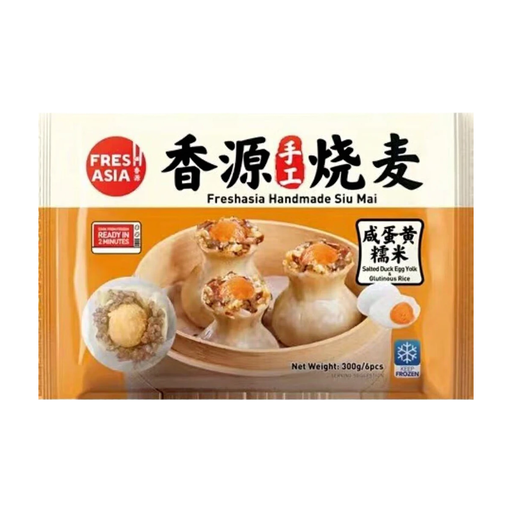
FRESHASIA Handmade Siu Mai with Salted Duck Egg Yolk & Glutinous Rice Flavour 300g
Why This Fits Their Persona: For those looking to go beyond standard dumplings and discover a unique taste experience. The combination of glutinous rice and the rich, salty flavour of duck egg yolk offers a complex and authentic profile prized in upscale dim sum cuisine.
This product specifically targets connoisseurs, sidestepping the "simplified flavour" trap by offering a specific, traditional delicacy. The handmade feel of the wrapper provides an appealing texture.
Unique filling with salted duck egg yolk; rich and complex flavour; simple preparation in a steamer.
Looking for More Options?
We've curated a complete, up-to-date list of products that fully meet these strict selection criteria and UK/EU regulations.
Frequently Asked Questions (FAQ)
1. Do I need to thaw frozen dim sum before cooking? In most cases, the answer is no. The majority of frozen dumplings and other pastries are designed to be cooked directly from frozen. Thawing them beforehand can cause the dough to soften, leading to the dumplings losing their shape or falling apart during cooking. However, always read the preparation instructions on the package to be sure.
2. What equipment do I need to cook frozen dumplings? This depends on the type of product. For most dim sum like siu mai, har gow, or bao buns, a steamer is the best choice. A simple bamboo or metal insert for a pot is sufficient. For gyoza or pancakes, you'll need a good frying pan. For wontons served in a soup, a regular cooking pot will do.
3. How should I store an opened package of Asian dumplings? To maintain quality and prevent freezer burn, you should seal the bag tightly after opening. Use a clip or place the bag inside a resealable freezer bag. Continue to store the products at -18°C and use them within a reasonable time to ensure the best flavour.