
Buying Asian Dumplings and Bao Buns: A Guide to Choosing by Flavour, Preparation and Storage
Asian dumplings and bao buns have long since become more than a speciality product in Germany. Frozen buns can be steamed, deep-fried or, depending on the product, heated up directly at home. They are suitable for breakfast, dim sum, desserts, quick meals and catering. The range extends from mantou and Chinese steamed buns to filled buns with sesame, custard, egg, meat or vegetables.
To avoid disappointment when shopping, it is worth taking a close look at the product information. An eye-catching product image reveals little about the filling quantity, allergens, preparation time or actual serving size.
Common pitfalls when buying
1. Confusing quantity and weight
A large pack does not automatically mean many portions. A 300-g bag may contain ten small custard buns, while a 420-g product may contain considerably larger, savoury buns. So always compare net weight and quantity together. For families, buffets or catering, it is also important to know whether the individual buns are portioned or packed loose.
2. “Ready to enjoy” can mean different preparation methods
Some Asian baked goods are ready to eat and only need heating. Frozen buns, on the other hand, generally need to be heated all the way through. Depending on the product, they may be steamed straight from the freezer, briefly thawed or heated in the microwave. If you overlook these instructions, you risk a cold filling, a chewy dough casing or a soggy result.
3. Paying too little attention to fillings, sweetness and allergens
“Bao” initially describes the dough casing, not a specific filling. A sweet sesame bun is ideal for dessert, while a meat bun is more suited to a meal. Ingredients such as wheat, milk, egg, soya, sesame, celery or molluscs may be present. Even with plant-based products, you should read the ingredients and trace-allergen information, as not every product is labelled vegan.
Parameters to check before buying
Filling and intended use
For a quick sweet treat, consider custard buns, sesame buns, creamy buns or products with red bean paste. Meat buns and Xiao Long Bao filled with pork and vegetables can be served as part of a meal. Unfilled mantou or sandwich buns offer more flexibility: you can combine them with vegetables, chicken, tofu or classic Western ingredients.
Check the percentage quantity if the filling is particularly important. For example, the MENGFU product lists 40% filling, including pork, cabbage, spring onion and celery. A PA Sandwich Bun, by contrast, focuses on the dough casing; the buns can be filled individually after steaming.
Preparation and storage
Frozen buns should be stored at -18 °C or below. After thawing, many products must not be refrozen. When steaming, it is advisable to leave enough space between the buns, as the dough casing expands.
Typical instructions range from 8 to 10 minutes of steaming to just a few seconds in the microwave for ready-to-eat products. With meat fillings, heating the product all the way through is especially important. Always follow the instructions on the relevant packaging, as appliances and portion sizes vary.
Ingredients, allergens and nutritional values
The ingredients list makes it easier to compare different Asian snacks. A simple Chinese bun may consist mainly of wheat flour, water and yeast. Other filled buns contain sugar, milk powder, egg, oils, thickeners or flavourings.
You should also check the nutritional table per 100 g and, where available, per piece. This makes it easier to plan breakfast, snack platters or larger orders. If you have allergies, take note of the highlighted allergens and possible traces listed on the product packaging.
Our selection for different types of buyer
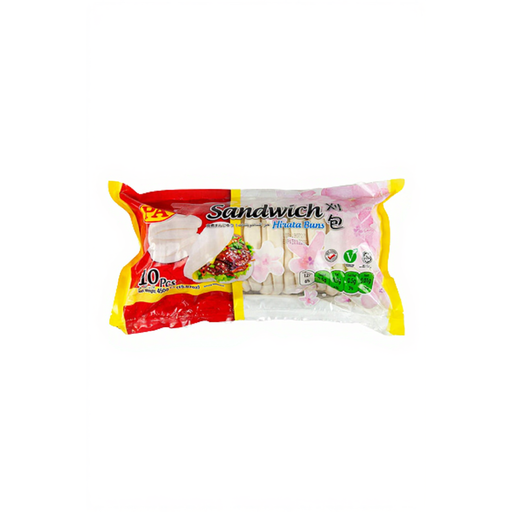
PA Sandwich Bun 10pcs 450g
Why this product suits this profile: Ten pieces weighing 45 g each provide an easy-to-plan basis for creating your first bao dishes, family meals or small snack platters.
The quantity and total weight are clearly stated. The buns are steamed straight from the freezer, so there is no unclear thawing plan to deal with.
10 pieces per 450-g pack, versatile with sweet or savoury ingredients, with wheat listed as an allergen.
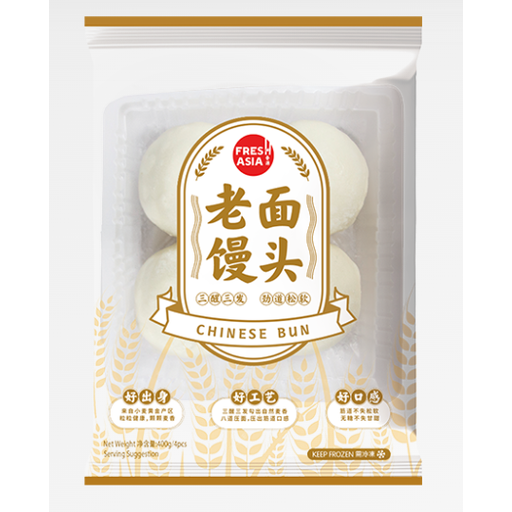
FRESHASIA Chinese Bun 400g
Why this product suits this profile: The simple mantou style, made with wheat flour, water and yeast, is ideal for shoppers who prefer a short ingredients list.
The product description names three main ingredients and explains that it must be heated from frozen. This keeps its intended use clear.
Unfilled Chinese bun, suitable as a side dish or for filling as you wish; wheat is listed as an allergen.
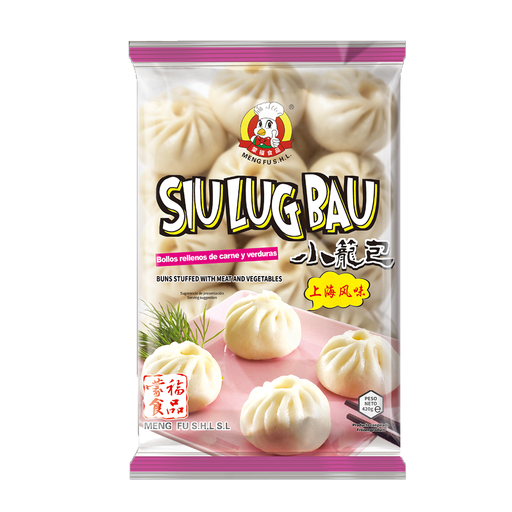
MENGFU Buns Stuffed With Meat and Vegetables 420g
Why this product suits this profile: The hearty combination of pork and vegetables is ideal for meals, larger households and catering portions.
The preparation instructions are specific: steam for 8–9 minutes from frozen, or thaw and fry. The filling is declared as 40%.
420-g pack, suitable for steaming or frying, containing pork, celery, soya, sesame and molluscs as allergens to be taken into account.
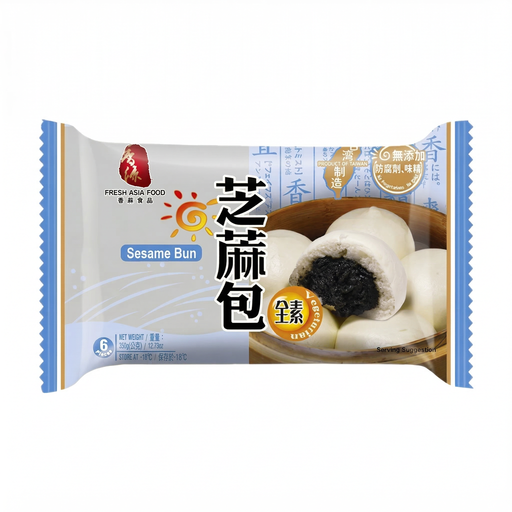
FRESHASIA Sesame Buns 390g
Why this product suits this profile: The sweet black sesame paste makes these steamed buns a delicious option for breakfast, dessert or with tea.
The description explicitly states that the product is prepared from frozen and must be heated all the way through. Sesame and milk are listed as allergens.
390-g pack, sweet black sesame filling, intended for steaming from frozen.
Looking for more options?
We have put together a complete, regularly updated list of products that fully meet these strict selection criteria and the safety regulations applicable in the EU.
Preparing bao buns at home
For most frozen bao buns, a bamboo or metal steamer with boiling water is all you need. Place baking paper or perforated steaming liners underneath the buns to prevent them from sticking. Leave a little space between each piece.
- Sweet buns: often steam for 8–10 minutes and serve warm.
- Savoury meat buns: cook all the way through in accordance with the pack instructions.
- Ready-to-eat filled buns: heat only until they reach the desired temperature.
- Microwave: use only if the packaging expressly states that this method is suitable.
FAQs about Asian dumplings and bao buns
How long do frozen buns need to be steamed?
Many products require around 8 to 10 minutes, while some savoury varieties take 8–9 minutes. The exact time depends on the size, filling and appliance. With meat fillings, the bun should be piping hot all the way through. The instructions on the packaging take priority.
Can bao buns be prepared in the microwave?
This depends on the product. Some ready-to-eat filled buns are briefly heated in the microwave, while others are intended exclusively for steaming. With frozen products, a small opening may need to be made in the packaging. Always follow the manufacturer’s instructions.
How long do frozen buns keep?
The best-before date is printed on the packaging. When stored consistently at -18 °C or below, the products are intended to remain suitable for consumption until this date. After thawing, they should be eaten promptly and generally must not be refrozen.