
Canned Meat Buyer’s Guide: How to Avoid Quality Traps
Canned meat is a convenient solution for quick meals, camping trips, or as part of an emergency food supply. But the market is vast, and quality differences are significant. If you don't look closely, you often end up with products that consist more of water, fillers, and additives than high-quality meat. This guide will help you spot the common pitfalls and make an informed choice.
The 3 Most Common Traps When Buying Canned Meat
Before you buy, you should be aware of the common marketing tricks often used to disguise lower product quality.
- The "High Meat Content" Fallacy: A high percentage on the front of the can sounds promising, but it isn't the sole indicator of quality. The term "meat" can also include low-grade cuts, mechanically separated meat, or a high water content in the final preparation. A high proportion of poor-quality material is no advantage.
- Hidden Sugars and Flavour Enhancers: Many canned meats, especially ready-made meals with sauce or marinated meat, contain significant amounts of sugar, dextrose, or glucose syrup. Flavour enhancers like monosodium glutamate (E621) are also frequently used to intensify the taste of less premium ingredients.
- Misleading Product Names: Terms like "goulash" or "luncheon meat" are not strictly defined. A "canned goulash" can sometimes contain more sauce than chunks of meat, and "luncheon meat" can hide a wide variety of recipes and quality levels.
What to Look For Before You Buy: The Key Parameters
To make a good choice, focus on objective criteria found on the label.
Parameter 1: Ingredient List and Actual Meat Content
The ingredient list is your most important tool. Ingredients are listed in descending order of their weight.
- Specific Type of Meat: Look for precise descriptions like "beef" or "turkey breast" instead of general terms like "meat product."
- Position of the Meat: The meat should be the first item on the ingredient list. For a canned goulash, the meat should be listed before water and vegetables.
- Additives: Check the list for unwanted additives. Preservatives like sodium nitrite (E250) are technologically necessary for many cured meats, but a long list of stabilisers, thickeners, and flavour enhancers can indicate lower base quality. For an emergency food supply, shelf-stable meat with the simplest possible ingredient list is often the more solid choice.
Parameter 2: A Closer Look at Nutritional Information
The nutrition facts table provides insight into the product's composition.
- Protein Content: A high protein content (typically over 12g per 100g) is often an indicator of a solid meat percentage.
- Fat Content: This varies greatly by product. Compare the fat content, especially the amount of saturated fatty acids, if you are following a health-conscious diet.
- Salt Content:Ready-made meat meals and canned sausages can be very high in salt. A value of over 1.5g of salt per 100g is already considered high.
Recommended Products for Different Needs
Here are some products from our range that are suitable for different needs and user profiles.
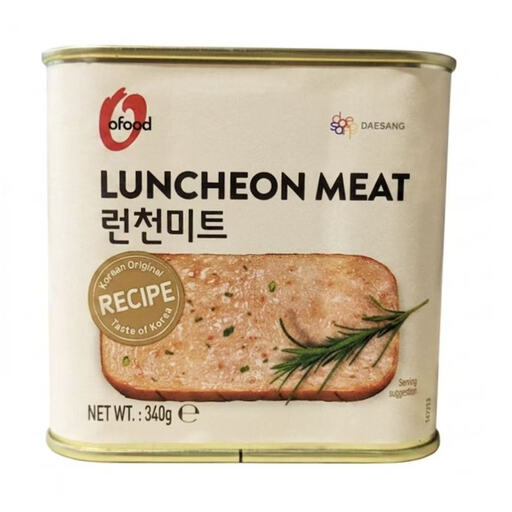
Chung Jung One Luncheon Meat Pork 340g
Why this product is a great fit: This luncheon meat is an extremely versatile and cost-effective ingredient. It's perfect for quick dishes like fried rice, sandwiches, or as a crispy pan-fried side, making it ideal for students or singles on a tight budget.
The product bypasses the "High Meat Content" fallacy with a clearly declared pork content of 93%. This signals that meat is the main ingredient and is not replaced by excessive fillers.
The high meat content ensures a firm, easily sliceable texture and a rich flavour, making it a solid base for many recipes.
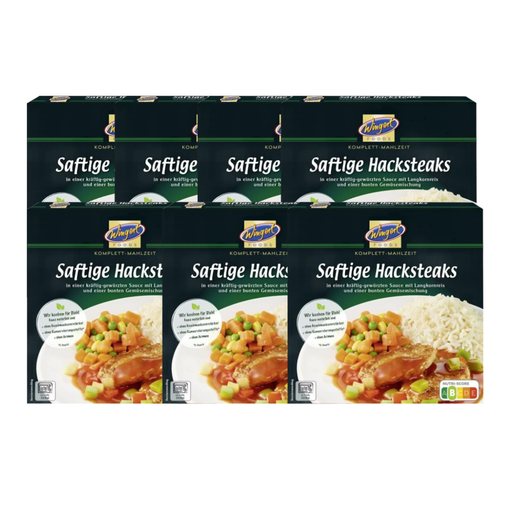
Wingert Foods Juicy Minced Meat Steaks in Sauce 7x460g
Why this product is a great fit: For families or working professionals in a hurry, this product offers a complete meal solution. Minced meat steaks, sauce, rice, and vegetables are already combined and just need to be heated. This saves valuable time on hectic days.
According to the manufacturer, this dish is made without added flavour enhancers or artificial flavourings. This directly addresses the trap of hidden additives often found in ready-made meals.
This is a complete ready-made meal that can be prepared in minutes in a water bath or microwave. No need to cook additional side dishes.
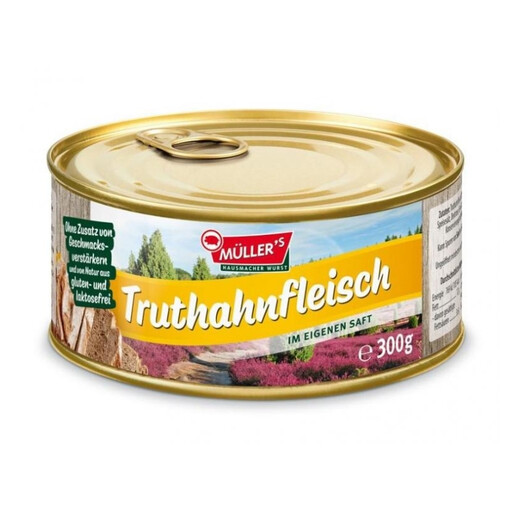
Müller's Tender Turkey Meat in its Own Juice 300g
Why this product is a great fit: With its high protein content, simple ingredient list, and long shelf life, this turkey meat is an excellent choice for an emergency supply or as a nutritious base for meals while camping. It is pure and can be used in a variety of ways.
This product avoids the hidden additives trap with a minimalist recipe. It consists of 86% turkey meat and is cooked in its own juice, without artificial colours or preservatives (except sodium nitrite).
The high protein content of 18g per 100g with only 1g of carbohydrates makes it a nutrient-dense option. Additionally, according to the manufacturer, it is free from the 14 major allergens.
Looking for more options?
We've compiled a complete, up-to-date list of products that fully meet these strict selection criteria.
Frequently Asked Questions
How long does canned meat really last?
Canned meats have a Best-Before Date (BBD), not a Use-By Date. When stored correctly—in a cool, dry place away from direct sunlight—they are often safe to eat long after the BBD has passed. As long as the can is undamaged (no dents, bulges, or rust) and the contents smell and look normal upon opening, the product is generally safe. This makes it an ideal component of an emergency supply.
Is canned meat unhealthy?
This largely depends on the specific product. A can of pure meat in its own juice has a different nutritional profile than a ready-made meal with a creamy sauce. Pay attention to the nutrition facts table: high salt, sugar, or fat content can be detrimental if consumed regularly. However, there are many products with high protein content and a short, clean ingredient list that are a nutritious and convenient option.
How can I tell if canned meat has gone bad?
Discard a can immediately if it shows any of the following signs:
- The can is bulging or swollen: This is a clear sign of gas produced by bacterial growth.
- The can is severely dented, leaking, or rusted: Damage can compromise the protective lining inside and lead to contamination.
- There is a loud hiss or the contents spurt out upon opening: This also indicates pressure from fermentation.
- The contents have an unpleasant, sour smell, or an unusual colour or mouldy spots.