
Buying Canned Meat: A Guide to Choosing Long-Life Meat Preserves
Anyone looking to buy canned meat is usually seeking a practical solution for the store cupboard, quick meals, camping or eating on the go. The selection ranges from beef in its own juice and pork to luncheon meat, tinned chicken and complete meals.
It is worth taking a close look at the product information. Eye-catching packaging or the description “ready to eat” alone reveals little about the ingredients, portion size or storage requirements.
Common Pitfalls When Buying Canned Meat
1. Pack size and actual quantity are confused
When buying multipacks of canned meat, it is not just the number of tins that matters. The total quantity and the portion size per tin are crucial. Six tins of 340 g each are suitable for different uses than six tins of 400 g each.
The contents may also consist of meat, stock, water or sauce. Therefore, compare the net quantity and the ingredients list instead of looking only at the product name or number of tins.
2. “Meat” does not automatically mean a high meat content
Luncheon meat and breakfast meat may contain water, starch, spices, stabilisers or preservatives as well as meat. For products containing chicken, you should also check whether mechanically separated meat has been used.
The meat content is stated in the ingredients list or as a quantitative ingredient declaration. If the label states, for example, “pork 93%” or “chicken 81%”, it is easier to assess the composition.
3. Allergens and additives are overlooked during a quick shop
Even ready-to-eat canned meat may contain gluten, milk, celery, mustard or soya, or may contain traces of them. Depending on the recipe, luncheon meat may also contain ingredients such as starch, phosphates, curing salt with nitrite or flavour enhancers.
For households managing allergies, religious dietary requirements or specific ingredient preferences, the complete labelling on the product page and packaging is therefore decisive. Halal-certified products should be explicitly labelled as halal; you should not assume this based on the type of meat alone.
Parameters to Check Before Buying
Type of meat and recipe
The type of meat determines how the product can be used and how it tastes. Beef in its own juice, for example, works well with bread, potatoes, stews or rice dishes. Pork in its own juice is often used as a bread topping or a hot ingredient. Luncheon meat can be sliced and fried, while tinned chicken may be suitable for sandwiches, salads or rice dishes.
For minced meat steaks in sauce and ready meals, it is also important to check the composition of the side dish. As well as meat, a product may contain rice, vegetables, wheat ingredients, cream or mustard.
Whether it is ready to eat and how to prepare it
“Ready to eat” means that the product can generally be eaten straight after opening. Many products can alternatively be heated in a saucepan, frying pan or microwave.
Follow the specific instructions provided. For tinned hot dogs and similar preserves, heating in hot water is often recommended without bringing the contents to a vigorous boil. Ready meals in trays may have different timings and safety requirements for microwave use.
Storage after opening
Unopened preserves are generally stored in a cool, dry place away from direct sunlight. The specific best-before date is stated on the packaging.
After opening, canned meat should not be stored in the opened metal tin. Transfer leftovers to a clean, non-metallic, sealable container, keep them in the fridge and follow the relevant consumption guidance. Depending on the product, two to three days may be specified. For camping and emergency supplies, individual portions are therefore often more practical than a large tin if several people will not be eating at the same time.
Product Selection by Need and Household Profile
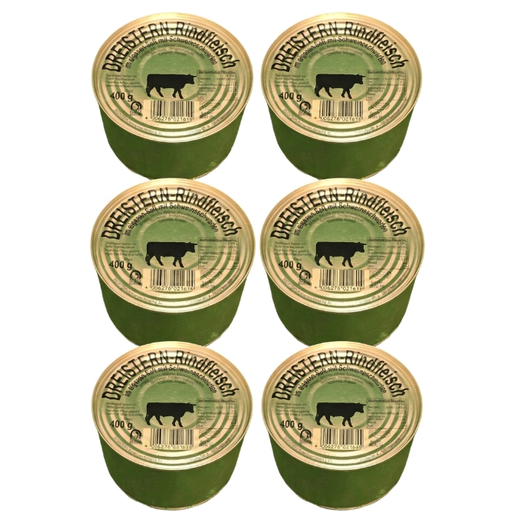
Value Pack 6 x Dreistern Beef in Its Own Juice 400g
Why this product suits this profile: This six-tin multipack, with 400 g per tin, is suitable for households wanting to keep beef for use as a bread topping or in a hot meal. According to the product information, it is made in Germany and is ready to eat.
The quantity per tin and the total number of tins are clearly stated. The ingredients list names beef, beef stock, salt and spices.
400 g tins, suitable for eating cold or hot, with no major allergens stated.
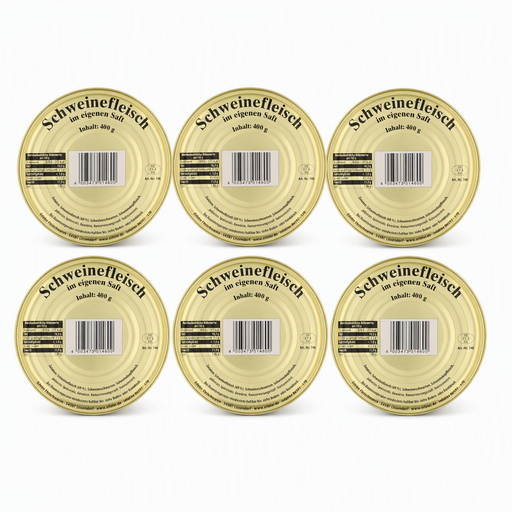
Value Pack 6 x Eifeler Pork in Its Own Juice 400 g
Why this product suits this profile: This German multipack is aimed at shoppers who prefer a traditional recipe with pork in its own juice and detailed nutritional information.
The declared pork content of 69%, along with other ingredients such as pork rind and spices, is listed in the product description.
Six 400 g tins, stated German origin and room-temperature storage while unopened.
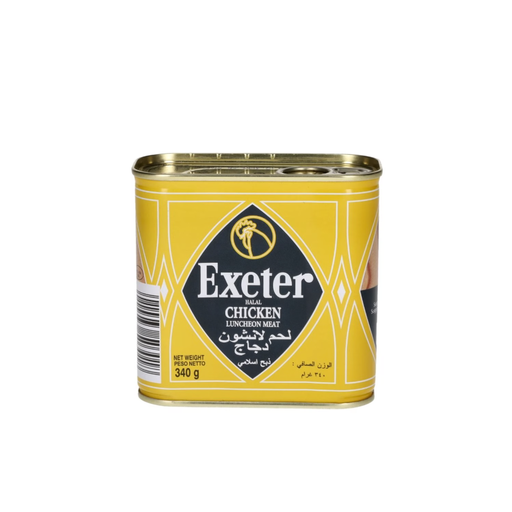
Exeter Chicken Luncheon Meat 340g
Why this product suits this profile: This halal-certified product, made with mechanically separated chicken meat, is suitable for sandwiches, salads or cold platters.
The product description states the Halal label, 80% mechanically separated chicken meat and gluten as an allergen.
340 g tin, ready to eat, halal-certified and suitable for cool storage in a sealed container after opening.
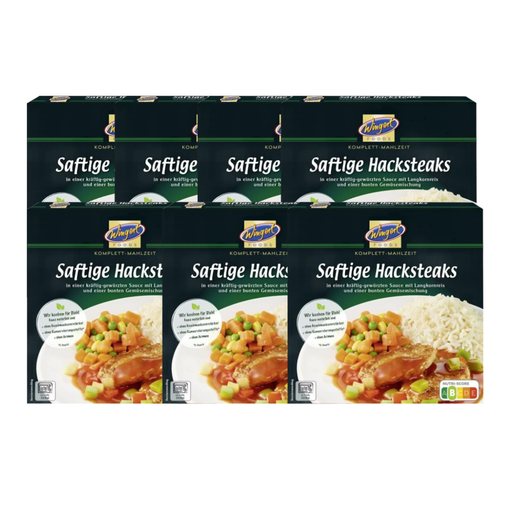
Wingert Foods Juicy Minced Meat Steaks in Sauce 7x460g
Why this product suits this profile: Seven portions of minced meat steaks with rice and vegetables are designed for quick meals at home, in the office or while travelling.
The ingredients and allergens are listed in detail. These include wheat, celery, mustard and cream; traces of other allergens may be present.
Complete meal with rice and vegetables, multiple portions and clear instructions for heating in the microwave or a bain-marie.
Looking for more options?
We have put together a complete, regularly updated list of products that fully meet these strict selection criteria and the safety regulations applicable in the EU.
Further Tips for Choosing
For a traditional store-cupboard supply, 400 g tins or multipacks are a sensible choice if several people will be eating or if the product is regularly used in stews and one-pan dishes. Smaller 200 g or 340 g tins may be better suited to individual meals, lunchboxes or occasional snacks.
Also check the salt and fat content per 100 g. These values allow you to make an objective comparison between beef, pork, chicken and luncheon meat. For international products, the ingredient and allergen information should be fully understandable. The information on the packaging you receive is authoritative.
FAQ About Buying Canned Meat
How long does unopened canned meat last?
You will find the specific best-before date on the relevant tin or packaging. The preserve should be stored unopened in a dry, cool place away from direct sunlight. Damaged, badly dented or swollen tins should not be used.
Can canned meat be eaten cold straight from the tin?
Many products are labelled as ready-to-eat canned meat and can be eaten straight after opening. Depending on the recipe, these include beef in its own juice, breakfast meat and luncheon meat. Heating is often possible as an alternative. Follow the manufacturer’s specific instructions for use.
What should you do after opening?
Leftovers should be transferred from the metal tin to a suitable sealable container and stored in the fridge. Depending on the product, the contents should be used within two to three days. The instructions on the packaging and product page specify the exact time limit.