
Canned Meat Buyer's Guide: Essential Selection Tips
By Joybuy Product Recommendation Officer, August 30, 2026
Canned meat is a staple in many pantries across Germany. Whether as a practical emergency food supply, a quick meal for busy professionals, or a reliable provision for camping—the demand for shelf-stable meat products is consistently high. However, the market can be confusing, and not all canned meat delivers on its promises. Before you buy meat online, it's crucial to understand the common pitfalls to make an informed decision.
Many shoppers are drawn to appealing labels or familiar brand names, often overlooking crucial quality indicators. Two common problems lead to disappointment:
- Misleading Meat Content: Products are often advertised as "rich in meat," but the actual percentage of high-quality muscle meat is low. Instead, connective tissue, rinds, or a high water content are used to increase the weight.
- Hidden Fillers and Additives: A long list of ingredients including sugars (like dextrose or glucose syrup), starch, and flavour enhancers often indicates that the quality of the raw ingredients is being compensated for with additives.
This guide will help you avoid these pitfalls and identify products that stand out for their quality composition and nutritional value.
What Really Matters in Your Selection: The Core Parameters
To objectively evaluate the quality of canned meat, you should focus on three key parameters. These provide a reliable basis for your purchasing decision, regardless of marketing claims.
1. Declared Meat Content and the Ingredients List
The most important indicator of quality is the percentage of meat listed in the ingredients. Ensure that meat is the first ingredient. Products like corned beef or pure meat in its own juices often have a very high meat content, whereas ready-made meals like canned goulash will naturally have less, as they also contain sauce and vegetables.
A short, clear ingredients list is usually a good sign. It suggests the focus is on the raw material, not on artificial flavours or fillers. Canned sausages and luncheon meat should ideally consist only of meat, bacon, salt, and spices.
2. Nutritional Information: Protein Content as a Benchmark
For an emergency food supply or a quick, nutritious meal, protein content is crucial. A high protein content (typically over 15g per 100g), combined with moderate fat and low carbohydrate levels, points to high-quality muscle meat. Compare the nutrition facts tables: products with a lot of added sugar or starch will have a higher carbohydrate content, which diminishes the nutritional value.
3. Type of Canning and Shelf Life
Most shelf-stable ready meals and meat products are offered in metal cans or glass jars. Both types of packaging effectively protect the contents from light and oxygen, ensuring a long shelf life.
- Metal Cans: They are robust, lightweight, and stackable, making them ideal for pantry stocking and transport (e.g., for camping).
- Glass Jars: They allow for a visual inspection of the contents before purchase and are free from internal coatings. They can often be resealed after opening.
The best-before date (BBD) indicates the date until which the manufacturer guarantees the product's specific properties. When stored in a cool, dry place, many canned meats are often safe to eat long past the BBD.
Solutions for Every Task
Based on the criteria above, we have curated a selection of products suitable for various needs and use cases.
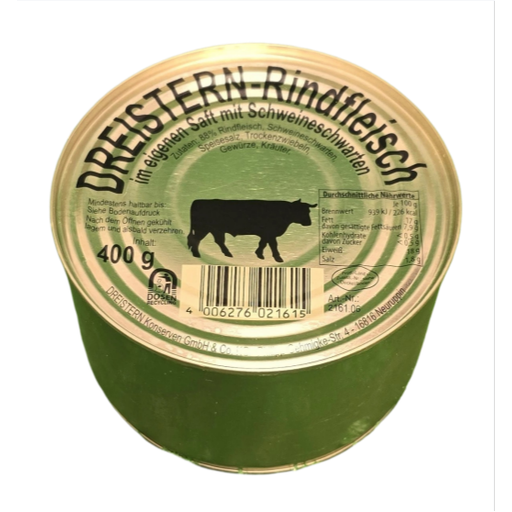
Dreistern Beef in its Own Juice 400g
Why It's a Great Fit: Ideal for long-term stockpiling. It is a pure, unadulterated meat product that can be used in a variety of hot or cold dishes and offers high nutrient density. Perfect as a base for numerous recipes or as a protein-rich emergency reserve.
The ingredients list is extremely short and transparent: beef, beef broth, salt, spices. There are no hidden fillers or sugars, which underscores the high meat content.
High protein content of 18g per 100g. The classic, gold-lacquered can is designed for very long-term storage.
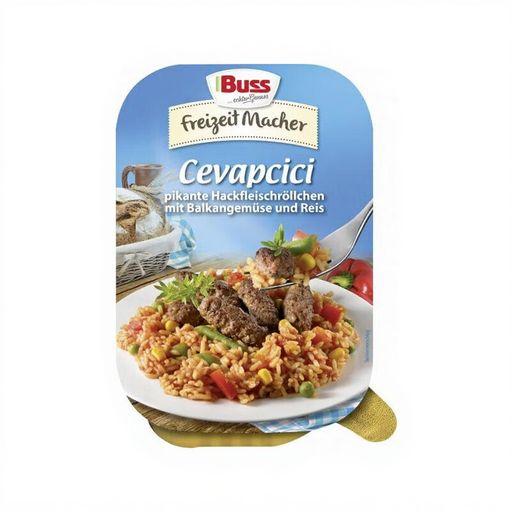
Buss Freizeitmacher Cevapcici Meat Rolls in Sauce 300g
Why It's a Great Fit: This is more than just canned meat—it's a complete ready-to-eat meal. Ideal for days when there's no time to cook but you still want a warm, tasty meal.
The product clearly declares the proportions of its main components: 27% vegetables, 27% cooked meat rolls, and 26% cooked rice. This transparency shows that it is a balanced meal.
Extremely quick to prepare in the microwave (3-5 minutes) or in a water bath. A complete meal in a single, convenient tray.
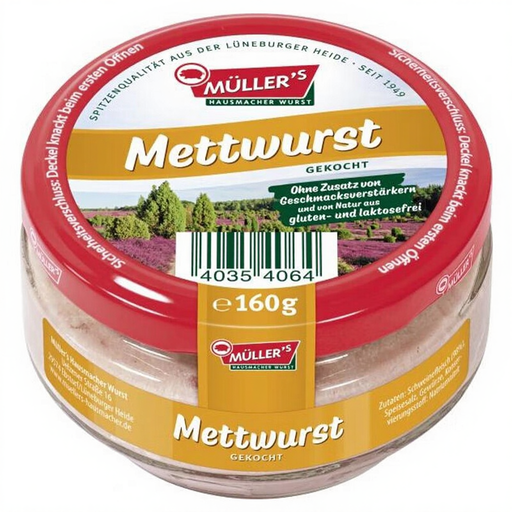
Müller's Fine Spreadable Mettwurst Sausage in a Jar 160g
Why It's a Great Fit: For lovers of a classic German-style deli meal. This home-style spreadable Mettwurst in a glass jar offers authentic flavour for a light supper or as a hearty snack.
With a 98% pork content and an explicit commitment to being free from flavour enhancers, this product relies on the pure quality of its raw ingredients. The glass jar preserves its authentic taste.
Very high meat content and a traditional recipe. The product is also gluten- and lactose-free, making it suitable for many dietary needs.
Looking for More Options?
We have compiled a complete, up-to-date list of products that fully meet these strict selection criteria and German food regulations.
Frequently Asked Questions (FAQ)
1. How long is canned meat safe to eat after the best-before date? The best-before date (BBD) is not an expiration date. When stored correctly (in a cool, dry, dark place), canned meat is often safe to eat for years past the BBD. However, you should always inspect the can for external damage, bulging, or a hissing sound upon opening. The contents should look and smell normal.
2. How can I spot good quality canned meat at a glance? Read the ingredients list. A quality product will have meat as the main ingredient with a high percentage listed. The list of other ingredients should be short and easy to understand. Check the protein content on the nutrition facts table—a high value is a good sign.
3. Is canned meat a healthy meal? Canned meat can be a practical and nutritious source of protein, especially products with a high meat content and few additives. They are a great addition for a quick meal or for emergency preparedness. However, for a balanced diet, they should always be combined with fresh foods like vegetables, salads, and whole-grain products.