
A Guide to Buying Non-Perishable Foods
A well-stocked pantry offers comfort and security, whether for quick meals after a long day at work or for strategic stockpiling. However, when you buy non-perishable foods, especially online, it's crucial to make informed decisions. Marketing claims can often distract from the actual product quality. This guide will help you avoid common pitfalls and find products that meet your needs.
Common Pitfalls When Buying Canned Goods and Ready Meals
The selection of non-perishable foods is vast, but not all products deliver on their promises. Watch out for these three common issues to avoid making bad buys:
- Hidden Sugar and Salt Content: Many canned ready meals and sauces are advertised for their quick convenience but often contain excessive amounts of sugar and salt. These are not always obvious on the front of the packaging and can make a balanced diet more difficult.
- Quality Degradation Despite a Long Shelf Life: The best-before date indicates how long a product will retain its specific properties like taste, smell, and nutritional value. It is not an expiration date. Nevertheless, some products, particularly canned vegetables and canned fish, can lose texture and flavour long before reaching their best-before date.
- Unclear or Incomplete Ingredient Lists: Labels can be unclear, especially on imported goods such as some Asian foods online. This makes it difficult to identify allergens, additives, or the exact origin of the ingredients, which is critical for building a reliable food supply.
What to Look For Before You Buy: Key Selection Criteria
To ensure you choose the right products for your pantry, you should examine two key aspects. These will help you objectively assess quality.
1. Analyse Nutritional Information and Ingredients
A thorough examination of the label is essential. Don't just look at calories; pay close attention to the sugar, salt (sodium), and saturated fat content. A short ingredient list is often an indicator of a less processed product. Ingredients like sodium nitrite (in canned sausages) or citric acid (in canned fruit) are used for preservation and are necessary for shelf stability. The key is to evaluate the overall ingredient profile and choose products that align with your dietary goals. This is particularly relevant when looking for budget-friendly non-perishables, as ingredient quality is often compromised to lower the price.
2. Packaging Type and Storage Conditions
The packaging directly affects shelf life and quality.
- Cans: They offer excellent protection from light and oxygen, preserving nutritional value and taste over a long period. They are sturdy and stackable, ideal for an emergency food supply.
- Glass Jars: They allow for a visual inspection of the contents but are permeable to light and fragile. Dark and cool storage is especially important here.
- Vacuum-Sealed Pouches: These are lightweight and space-saving but can be more susceptible to damage. They are well-suited for products like pre-cooked rice or corn on the cob.
Always check that the packaging is undamaged. Dents or bulges in cans can indicate that the contents have been compromised.
Guides for Unique Needs
Choosing the right product depends heavily on individual needs. Here are some recommendations tailored to different user profiles.
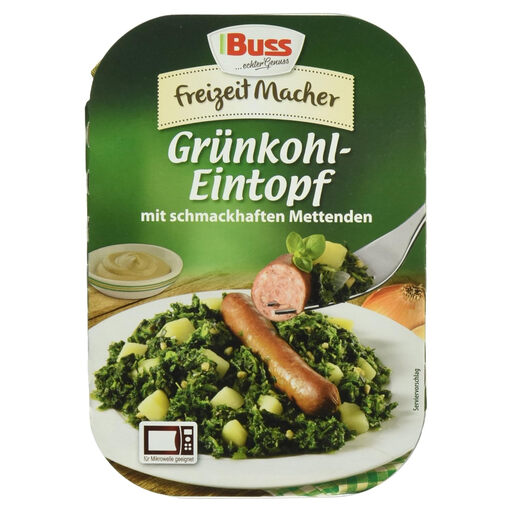
Buss Freizeitmacher Kale Stew with Mettwurst 300g
Why This Fits Their Persona: A complete, hearty meal that's ready in minutes. Ideal for days when there's no time to cook, but you still want a warm and satisfying dish.
The ingredient list is clearly declared and based on a traditional recipe. The sugar content is moderate for a ready meal at 1.3g per 100g, allowing you to stay in control of your nutritional intake.
Contains a balanced combination of components, including kale, potatoes, and Mettwurst sausage. Preparation is straightforward, either in a water bath or microwave.
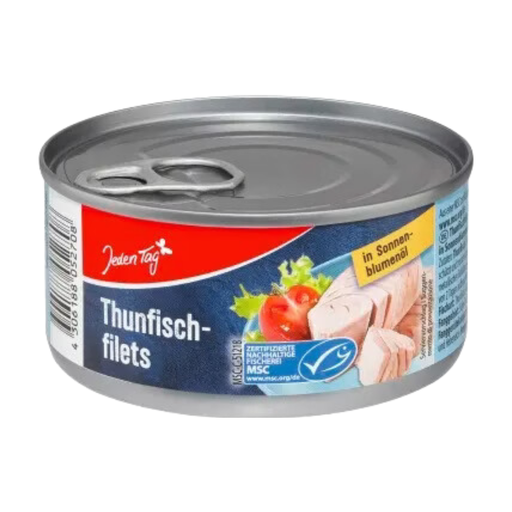
Jeden Tag MSC Tuna Fillets in Sunflower Oil 195g
Why This Fits Their Persona: An affordable and versatile protein source. Perfect for students or budget-conscious households looking for a nutritious base for salads, pasta, or sandwiches.
The ingredient list is minimalist and transparent, containing only tuna, sunflower oil, and salt. There are no hidden sugars or complex additives. The MSC seal indicates sustainable fishing practices.
High protein content of 25g per 100g. Its long shelf life and easy storage make it an ideal pantry staple.
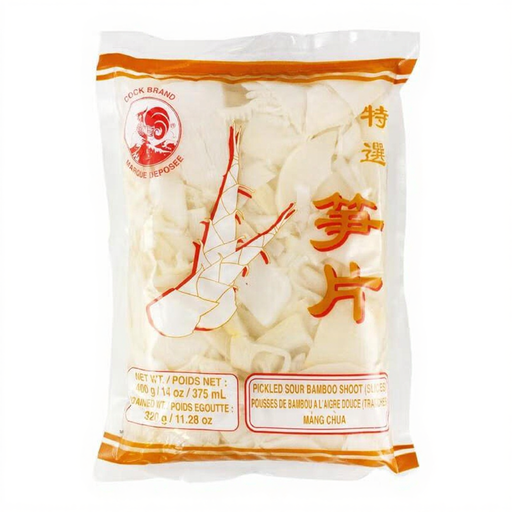
Cock Brand Sour Bamboo Sliced 400g
Why This Fits Their Persona: For lovers of Asian cuisine seeking authentic ingredients for dishes like soups, curries, or stir-fries. This ingredient is often hard to find in local supermarkets.
This is a base ingredient, not a ready meal. You have full control over the preparation and the addition of salt or sugar. The ingredient list is short and to the point: bamboo shoots, water, salt, and lactic acid.
Adds an authentic, tangy, and crisp texture to dishes. The product is vegan, gluten-free, and contains no artificial colours, making it a pure ingredient for creative cooking.
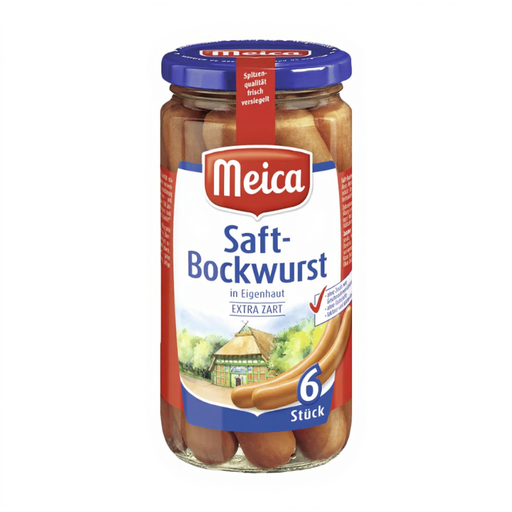
Meica Juicy Vienna Sausages in Natural Casing 6x30g
Why This Fits Their Persona: A reliable, long-lasting protein source that can be stored without refrigeration. Ideal for an emergency supply or for camping trips where a simple, nutritious meal is needed.
As a classic canned sausage, the recipe is designed for shelf stability and safety. The use of preservatives like sodium nitrite is functional and clearly declared, not hidden.
Made in Germany by a well-known manufacturer. Room-temperature storage and robust glass packaging make it a dependable component for any food supply.
Looking for More Options?
We've compiled a comprehensive, up-to-date list of products that fully meet these strict selection criteria and German food regulations.
Frequently Asked Questions (FAQ)
1. How long do canned goods really last?
The best-before date on canned goods is a manufacturer's guarantee of optimal quality. In practice, many canned goods, especially when stored correctly (cool, dry, dark), are often safe to eat for years beyond this date. The contents do not spoil abruptly but may slowly lose taste and texture. Before opening, inspect the can for damage, bulges, or rust. After opening, you should smell and look at the contents; if there is an unusual odour or appearance, the product should be discarded.
2. What should I consider when building a food supply?
A good food supply should include a mix of different food groups: proteins (e.g., canned fish, canned sausages, legumes), carbohydrates (rice, pasta, canned potatoes), and vitamins (canned fruits and vegetables). Look for a long shelf life and products that you and your family enjoy eating in everyday life. Store your supplies using the "First-In, First-Out" (FIFO) principle: newly purchased items go to the back, and older ones move to the front to be used first.
3. Is it safe to buy Asian foods online?
Yes, as long as you order canned goods online from trustworthy retailers who provide clear product information. Ensure that the retailer offers detailed ingredient lists, nutritional information, and allergen warnings in English. Products from established brands like Cock Brand or AROY-D, which are distributed through European importers, generally meet EU food standards. This ensures you receive authentic and safe products for your kitchen.