
Buying Legumes: A Guide to Selection
Legumes are a staple in modern cuisine. Whether as a nutritious vegan protein source, a base for hearty stews, or as high-fibre foods to support a balanced diet – their versatility is immense. However, when buying legumes, consumers often face a confusing selection and several pitfalls that can lead to an unsatisfactory cooking experience or unnecessary expenses.
Many people reach for products that seem convenient or high-quality at first glance, only to later find that the quality does not meet their expectations. The most common problems include:
- Inconsistent quality in dried goods: Packages with a high percentage of broken pieces or widely varying sizes result in uneven cooking times. While some of the beans are already falling apart, others are still hard.
- Misleading packaging claims: Terms like "all-natural" or "traditional" are often purely marketing without any legal basis. Those specifically looking for organic legumes should look for certified seals.
- Hidden additives in canned goods: Many ready-to-eat products contain high amounts of salt, sugar, or preservatives, which diminish the health benefits of the legumes and mask their natural flavour.
This guide will help you navigate these hurdles and specifically select the products that meet your requirements for quality, taste, and nutritional value.
What Really Matters When Buying: The Decisive Criteria
To make an informed decision, you shouldn't be swayed by colourful packaging, but rather check three core parameters. These will help you separate the wheat from the chaff, whether you're stocking up on dried beans or want to order lentils online.
1. Condition and Processing Form: Dried vs. Canned
The first decision concerns the form in which you buy your legumes. Both options have their place:
- Dried legumes: This is the most traditional form and offers several advantages. They are generally more cost-effective, produce less packaging waste, and allow for full control over the salt content and cooking method. Varieties like dried beans, chickpeas, or red lentils have a long shelf life and are ideal for pantry stocking. The downside is the more time-consuming process of soaking (for most bean and chickpea varieties) and cooking.
- Canned legumes: Their strength lies in their convenience. They are already cooked and can be used immediately for salads, quick stir-fries, or spreads like hummus. Here, a close look at the ingredients list is crucial. Look for products with low salt content and no added sugar.
2. Quality and Origin: What the Eye Can Tell
The physical condition is a direct indicator of quality, especially for dried goods.
- Uniformity: Look for a consistent size and colour among the beans, lentils, or peas. This is a sign of careful sorting and ensures an even cooking time.
- Integrity: A high proportion of broken pieces or cracked specimens indicates a low-quality batch or improper storage.
- Organic Certification: If you value organic farming, look for the official EU organic seal (a stylised leaf made of stars on a green background) with its corresponding control body number. Only this seal guarantees compliance with legal organic standards.
3. Variety Selection for Specific Uses
Not every legume is suitable for every dish. Choosing the right variety is crucial for the success of your recipes.
- For Indian dishes: Red lentils or Toor Dal (pigeon peas) are ideal ingredients for dal, as they break down quickly and create a creamy consistency. Mung beans are excellent for curries and soups.
- For Latin American cuisine: Black beans are the classic choice for feijoada, burrito fillings, or as a side dish. Red kidney beans are essential for chili con (or sin) carne.
- For versatile everyday cooking: Chickpeas are all-rounders for hummus, falafel, curries, and roasted snacks. Soybeans serve as the base for homemade soy milk or tofu.
Top Picks By Need
Here are some recommendations tailored to different needs and cooking habits.
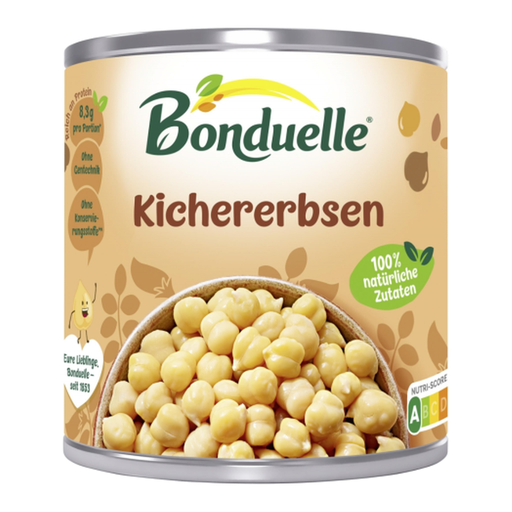
Bonduelle Chickpeas 425ml
Why this product is a good fit: Ideal for anyone who is short on time but doesn't want to compromise on a nutritious meal. The chickpeas are already gently steamed and can be used directly from the can for salads, bowls, or to prepare hummus.
This product avoids the trap of hidden additives. The ingredients list is short and transparent (chickpeas, water, salt), and no sugar is added. The Nutri-Score A confirms its balanced nutritional profile.
Maximum time savings without compromising on nutritional quality. The chickpeas are ready to use and retain their natural texture.
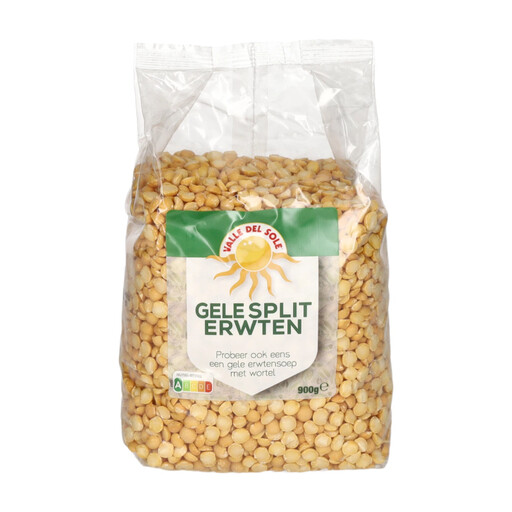
Valle Del Sole Yellow Split Peas 900g
Why this product is a good fit: This bulk 900g pack of yellow split peas is an excellent choice for anyone looking to build a cost-effective and long-lasting pantry supply. Split peas are versatile and can be used for soups, stews, and purées.
The product consists of 100% polished yellow split peas without any additives, avoiding the trap of hidden ingredients. The uniform quality of the peas ensures a consistent cooking result, even when preparing larger quantities.
Excellent price-to-quantity ratio and high yield. The peas are a superb source of plant-based protein (21g per 100g) and fibre (23g per 100g).
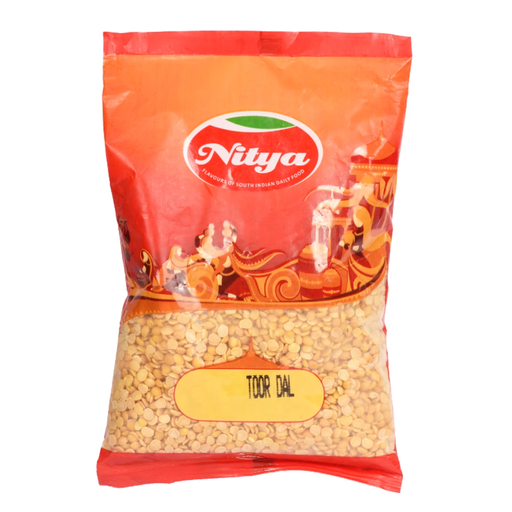
Nitya Toor Dal - 1kg
Why this product is a good fit: For lovers of Indian cuisine, Toor Dal (split pigeon peas) is an indispensable ingredient. These lentils are the authentic base for classic dishes like Sambar or Dal Tadka, lending them their characteristic, slightly nutty flavour.
This product provides a specific, hard-to-find ingredient necessary for authentic recipes. Instead of resorting to an unsuitable substitute, you get the right foundation for a successful dish.
Authentic taste and texture for South Asian cuisine. The 1kg pack also offers good value for money for regular cooking projects.
Looking for more options?
We have compiled a comprehensive, up-to-date list of products that fully meet these strict selection criteria and quality standards.
Frequently Asked Questions
Do you always have to soak dried legumes?
Not necessarily. Smaller varieties like red lentils, yellow lentils, or split peas do not require soaking and cook quickly. However, larger, harder varieties like chickpeas, kidney beans, or black beans benefit greatly from soaking (ideally overnight). It significantly shortens the cooking time and can improve digestibility.
How do you store legumes correctly so they last a long time?
Dried beans and other legumes should be stored in a cool, dry, and dark place. After opening the original packaging, it is advisable to transfer them to an airtight container. This protects them from moisture, pests, and loss of flavour, ensuring a shelf life of a year or more.
Are canned legumes less nutritious than dried ones?
The basic nutritional value in terms of protein and fibre is very similar for both forms. The main difference is often the salt content, which can be higher in canned products. However, rinsing canned legumes under running water can significantly reduce the salt content. Dried varieties offer more control over the ingredients but require more preparation time.