
Tinned Pulses and Vegetables: A Practical Shopping Guide for Quick Meals
Tinned pulses and vegetables make meal planning easier and reduce preparation time. Chickpeas, kidney beans, white beans, peas with carrots and green beans in jars can all be used straight away. Even so, it is worth checking the label, drained weight and storage instructions carefully. Otherwise, a low pack price may be offset by a high liquid content, a short shelf life after opening or an unsuitable portion size.
Common Buying Problems with Tinned and Pickled Pulses
1. Drained weight is overlooked
The stated quantity of a tin or jar often includes water or brine. For salads, soups and stews, however, the drained weight is what matters most. Two packs with a similar total weight may therefore contain different amounts of usable beans or vegetables. Wherever possible, compare the price per 100 grams of drained weight rather than simply the price per tin.
2. Ingredient lists appear simpler than they are
Pulses in brine often contain beans, water and salt. Depending on the product, additional ingredients such as sugar, acidity regulators, firming agents or preservatives may be included. This is not automatically a reason to reject a product, but it should suit how you intend to use it. For a bowl you plan to season yourself, a simple ingredient list may be preferable; a ready-made bean stew, on the other hand, may already contain vegetables, herbs and stock.
3. ‘Ready to eat’ does not always mean ‘serve immediately’
Many products are cooked and can be used after opening. For hot dishes, however, thorough heating is usually recommended. Opened tins or jars should also be transferred to a suitable non-metallic container and refrigerated. Depending on the product, the specific recommended period may be between one and three days, for example. Damaged, swollen or leaking packaging should not be used.
Important Selection Criteria
Pack size and intended use
For a single-person household or occasional salads, packs weighing between 200 and 425 grams can be practical. Families and regular users may prefer 800-gram tins or multipacks. Before buying, consider whether you will be able to use the quantity within the stated period. A larger pack is only economical if little is left over.
Green beans in jars, peas and carrots work well as side dishes. Tinned chickpeas are suitable for hummus, falafel, couscous or salads. Kidney beans, white beans and black-eyed beans make a good base for soups, chilli and vegetarian main courses. Pigeon Peas broaden the choice with a pulse commonly used in Caribbean cuisine.
How to interpret nutritional information correctly
Compare the figures per 100 grams and check whether they refer to the drained product. Particularly relevant values include fibre, protein, salt, sugar and energy. Pulses often contain more protein and fibre than vegetables alone, although the recipe and drained state are decisive.
Nutritional information is not a medical statement. It simply helps you choose products that suit your own dietary goals and the rest of your meal. If you shop vegan, you should also look for the ‘vegan’ label and check any may-contain warnings.
Packaging, storage and allergens
Unopened tins are normally stored in a dry, cool place away from light. Jars allow you to see the contents, but they are heavier and more prone to breakage than tins. When buying white beans in a jar, also check the allergen declaration: the Küstengold White Cannellini Beans in Jar 720ml, for example, lists sulphur dioxide or sulphites.
For ready meals, the ingredient list is particularly important. The Jeden Tag White Beans with Vegetables Stew 800g contains celery, among other ingredients, and may contain traces of gluten and soya. For allergy sufferers and households with specific dietary requirements, the product page or packaging is therefore the definitive source of information.
Our Selection by Shopping Profile
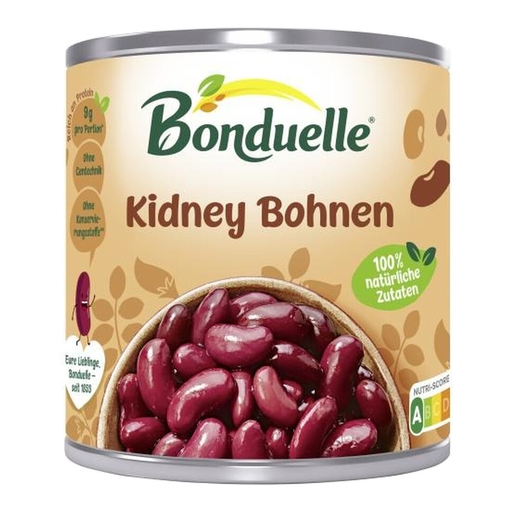
Bonduelle Red Kidney Beans 425ml
Why this product suits the profile: The 425ml pack is suitable for individual dishes, salads or a smaller portion of chilli, without leaving a large amount over.
The nutritional values are given for the drained product. This makes it easier to assess the actual usable quantity.
According to the product information: 6.0g of fibre and 7.2g of protein per 100g; ingredients are kidney beans, water and salt.
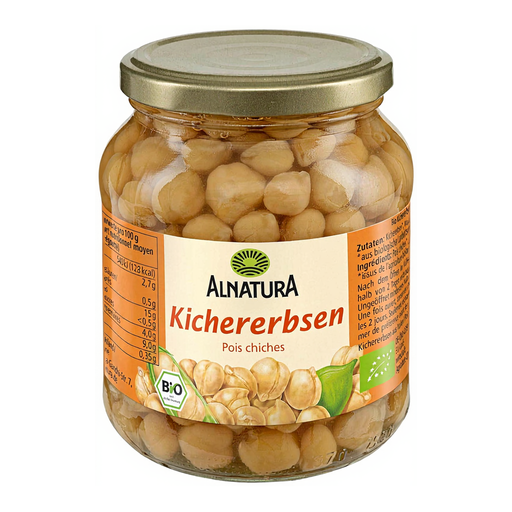
Alnatura Organic Steamed Chickpeas 330g
Why this product suits the profile: These organic chickpeas are pre-cooked and intended for hummus, falafel, salads, soups and curries.
The ingredient list names chickpeas, water and sea salt. The product is sold as an organic product bearing the DE-ÖKO-001 certification.
According to the product information: vegan, with no declared major allergens and 9.0g of protein per 100g.
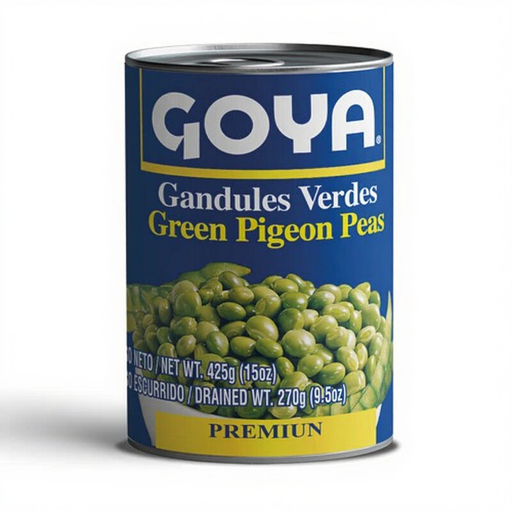
GOYA Green Pigeon Peas 425 gr
Why this product suits the profile: Green Pigeon Peas are a targeted choice for Caribbean-inspired rice dishes, side dishes and hearty stews.
According to the product description, the peas are already cooked and can be used straight from the 425g tin.
Suitable for rice-based side dishes and stews; the product information states 5.9g of fibre and 5.3g of protein per serving.
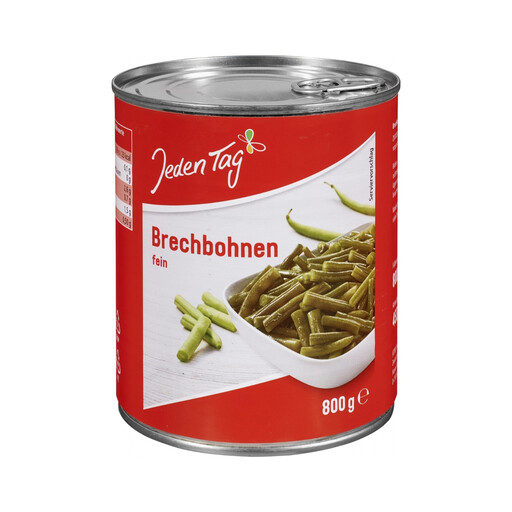
Jeden Tag Cut Green Beans 800g
Why this product suits the profile: The larger tin is designed for several portions of side dishes, bakes or salads.
The pack size suits higher demand. Once opened, the contents should be refrigerated and used within three days.
According to the product information: 23 kcal per 100g, less than 0.5g of fat, and suitable for use hot or cold.
Looking for more options?
We have compiled a complete, regularly updated list of products that fully meet these strict selection criteria and the safety regulations applicable in the EU.
Everyday Preparation and Storage
Before use, you can drain the pulses and briefly rinse them, depending on the recipe. This helps remove some of the brine. Chickpeas can be puréed for hummus or used whole in salads. Kidney beans and white beans work well in a bean stew. Peas with carrots can be heated and served straight away as a side dish. Green beans from a tin or jar usually only need gentle heating, as they have already been cooked.
When managing your supplies, check the best-before date, the condition of the packaging and the storage conditions. Move older products to the front and only buy quantities that can realistically be used in your household. For vegan cupboard staples, you should also check the product name and ingredient list, as not every ready meal is automatically vegan.
Frequently Asked Questions About Tinned Pulses and Vegetables
Are tinned pulses already cooked?
Generally, yes. Chickpeas, kidney beans, black-eyed beans and many other products are cooked and ready to eat. However, always follow the information on the packaging and product page for precise usage instructions. They should be heated thoroughly when used in hot dishes.
How long do opened tins keep?
This depends on the individual product. A period of one to three days in the refrigerator is often recommended. After opening, transfer the contents to a suitable sealable container and always follow the specific manufacturer’s instructions.
Are tins or jars cheaper?
This can only be assessed by looking at the price, drained weight and pack size. Tins often provide space-saving packaging, while jars allow you to inspect the contents. For comparing costs, the price per 100 grams of drained product is what matters.