
Buying Surimi: Your Buyer's Guide
Welcome, I am your Joybuy Product Recommendation Officer. My mission is to provide you with clear, factual information so you can make informed purchasing decisions, free from marketing hype. Today, we're focusing on surimi, a versatile product popular in many cuisines.
Buying surimi, often known as imitation crab meat or crab sticks, seems straightforward. However, beneath the bright red exterior lie significant differences in quality. An uninformed purchase can lead to a product that is disappointing in taste or unsuitable for your intended dish. Here are the most common pitfalls and how to avoid them.
What to Watch Out for When Buying Surimi: 3 Common Mistakes
-
Misleading Product Quality Due to Low Fish Content: Many products mimic the appearance of seafood but consist mainly of starch, water, and flavourings. The actual fish protein (surimi) content is often low, resulting in a rubbery texture and a bland taste. A high price is no guarantee of quality here.
-
Unsuitable Texture for Your Dish: Not every surimi product is suited for every type of preparation. Classic surimi sticks can quickly fall apart in hot dishes like soups or a hot pot. Conversely, a firm fish tofu can be too dominant in a light salad. Choosing the wrong type leads to an unsatisfying culinary result.
-
Hidden Sugars and Unnecessary Additives: To shape the flavour and stabilise the texture, manufacturers often add significant amounts of sugar, salt, and flavour enhancers. Those following a health-conscious diet should carefully check the ingredients list to avoid products with unnecessarily high sugar or sodium content.
The Decisive Parameters for Your Selection
To avoid the problems mentioned above, focus on three objective criteria. These will help you to factually assess the quality of a surimi product.
1. The Surimi Percentage (Fish Protein Content)
This is the most important indicator of quality. A higher percentage of surimi—the paste made from minced fish fillet—generally indicates a better texture and a more authentic taste. Products with a fish content below 40% often consist largely of fillers. Some manufacturers transparently state the surimi percentage on the packaging (e.g., "60% Surimi"). This is a reliable sign of a higher-quality product.
2. The Ingredients List: Starch, Sugar, and Additives
A quick look at the ingredients list reveals a lot. Pay attention to the position of starch (e.g., wheat starch, tapioca starch) and sugar. If they appear early in the list, their proportion is correspondingly high. Also, check for flavour enhancers like monosodium glutamate (MSG). While not inherently bad, some consumers prefer products with a more natural recipe. The list also provides information about allergens such as wheat, soy, or eggs.
3. The Product Form and Intended Use
The form of the surimi is directly designed for its function. Make your choice based on your recipe:
- Surimi Sticks (Crab Sticks/Kanikama): The most well-known form. They are pre-cooked and suitable for cold use in salads, as surimi for sushi (e.g., in California Rolls), or as a quick surimi snack.
- Fish Tofu (Surimi Tofu): Usually cube-shaped or in blocks, this has a firmer, more elastic texture. It is specifically designed as an ingredient for Asian dishes like hot pot or soups, as it holds its shape during cooking. It is a classic hot pot ingredient.
- Speciality Shapes (e.g., breaded crab claws, filled pockets): These products are often intended as ready-to-eat snacks or appetisers and typically only need to be heated (fried or baked). They fall into the category of convenient Asian frozen foods.
Curated Selections For Every Purpose
Here are some recommendations from our range, tailored to specific needs and user profiles.
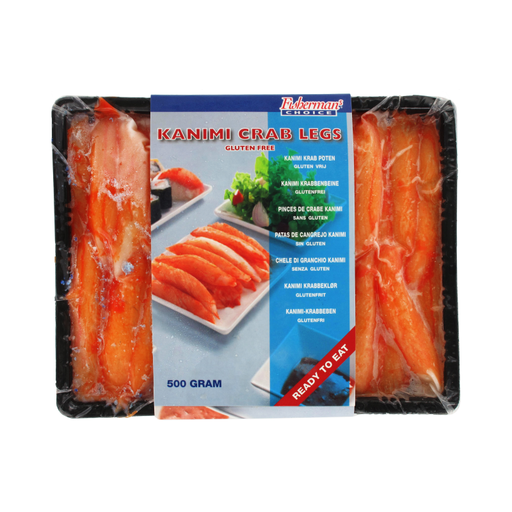
Fisherman's Choice Surimi Crab Sticks 500g
Why This Fits Their Persona: Ideal for families or home cooks who need a versatile and economical base ingredient for salads, pasta dishes, or a simple snack. The bulk pack offers solid value for money for regular use.
This product avoids the pitfall of poor value. Instead of paying a lot for a small quantity, you get an economical 500g pack, making it a transparent and practical choice for everyday use.
Versatile: Suitable for both cold and warm dishes. Economical Pack Size: The 500g quantity is ideal for stocking up.
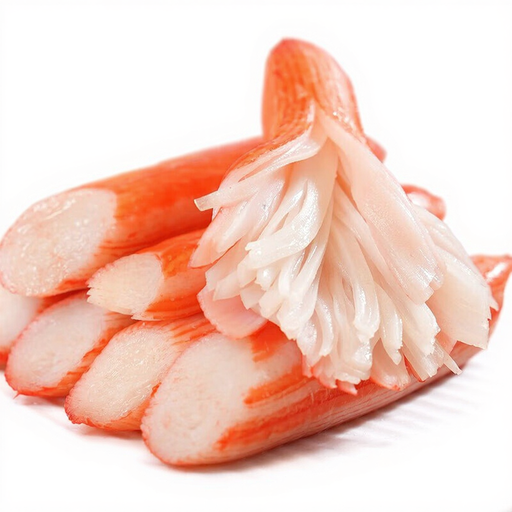
Kohyo KHY Kanikama (9cm) (60%+ surimi) 500g
Why This Fits Their Persona: Perfect for discerning home cooks who value texture and flavour, especially when preparing sushi or dishes where the surimi is the star. The high fish content ensures a convincing result.
This product tackles the problem of low fish content with transparency. The "60%+ surimi" claim is an objective quality mark that sets it apart from products with high filler content and enables a conscious choice.
High Surimi Content: With over 60% fish protein for a firm, fibrous texture. Ideal for Sushi: The shape and consistency are optimal for use in maki rolls.
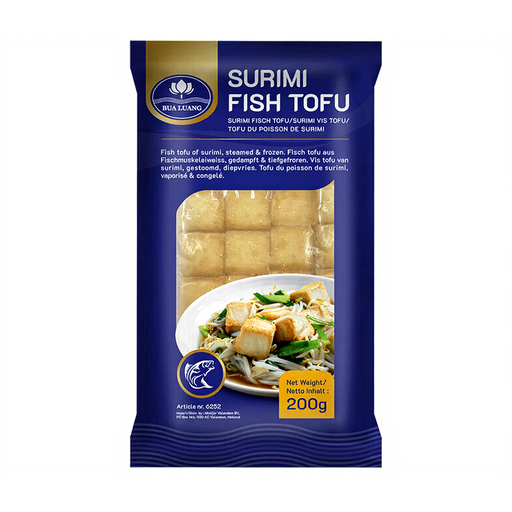
Mooijer Surimi Fish Tofu 200g
Why This Fits Their Persona: For anyone wanting to prepare authentic Asian dishes like hot pot, stews, or soups. This product offers the right shape and consistency that remains stable in hot liquids.
This product solves the problem of unsuitable texture. Instead of using surimi sticks that disintegrate, this specially developed fish tofu retains its shape and bite when cooked.
Heat-Stable: Retains its firm, elastic texture in soups and hot pot. Mild Flavour: Absorbs the flavours of the broth well without overpowering them.
Looking for more options?
We have compiled a complete, up-to-date list of products that meet these strict selection criteria and quality standards.
Frequently Asked Questions (FAQ)
Can you eat surimi raw?
Most products sold as surimi sticks or crab sticks are pre-cooked and can be eaten cold straight from the package, for example in salads. However, it is always wise to check the instructions on the packaging. Products like breaded surimi claws or certain types of Asian frozen foods must be fully cooked before consumption.
What is the difference between surimi and real crab meat?
Surimi is an imitation crab meat. It is made from a paste of minced and washed fish muscle (often Alaska pollock). This paste is processed with starch, flavourings, sugar, and colourings to mimic the texture and taste of crab meat. Real crab meat comes directly from crabs, has a different nutritional profile, a more delicate texture, and is typically much more expensive.
How do I store surimi properly?
Most surimi products are sold frozen and should be stored at -18°C (0°F) or colder. Once thawed, they should be kept in the refrigerator and consumed according to the manufacturer's instructions—often within 24 hours. A product that has been thawed should not be refrozen. Some products, like packaged surimi snacks, are shelf-stable and can be stored at room temperature as long as the packaging is unopened.