
Asian Fish Balls 2026: A Buying Guide for Hot Pot, Soups and Quick Meals
Asian fish balls are a convenient ingredient for hot pot, oden, noodle soups and stir-fries. When frozen, they can be stored in portions and usually added straight to broth or boiling water. However, products can differ considerably in fish content, filling, seasoning, allergens and preparation requirements.
If you are looking to buy fish balls, you should not be guided solely by terms such as “authentic,” “premium” or “particularly elastic.” The decisive factors are the information on the packaging and how you plan to use the product. The following selection by the Joybuy Product Recommendation Officer highlights what households in Germany should look out for.
Common Pitfalls When Buying Asian Fish Balls
1. The product name reveals little about the fish content
“Fish Balls,” “Seafood Balls” and “Surimi Balls” can refer to very different recipes. Some products consist primarily of fish meat, while others also contain starch, oil, egg, soy protein or flavoured ingredients. In crab-, lobster- or squid-flavoured varieties, the taste may come from seasoning, without the corresponding seafood being present in significant quantities.
You should therefore check the ingredients list and the stated percentages. In composite products, surimi is often listed first. This is not automatically a disadvantage, but it should match your expectations.
2. “Cooked” does not always mean ready to eat straight from the unopened pack
Many frozen fish balls are precooked and only need to be heated through at home. Other products are labelled as frozen raw food. Preparation instructions therefore vary.
Look for information such as “ready to heat”, “fully cooked” or “cook from frozen”. Even with precooked products, the balls must be piping hot throughout before serving. If the instructions are unclear, follow the information on the packaging.
3. The pack size does not match your actual consumption
A 200 g pack is manageable for a small household or for trying the product for the first time. For a hot pot shared by several people, 300 to 500 g may be more suitable. If a pack is not used promptly after thawing, the risk of quality loss and unnecessary leftovers increases.
Do not compare only the total price. Also consider the price per 100 g, how easily the product can be portioned and how many meals you expect to prepare.
Key Buying Criteria at a Glance
Fish Content and Recipe
A higher fish content may indicate a more fish-forward recipe, but on its own it says nothing about your personal taste preferences or the texture. Products containing starch or tapioca may have a pleasantly springy consistency. Filled Fuzhou fish balls also contain a meat filling.
If you prefer a short ingredients list, compare the stated quantities of fish, water, starch, oil, seasonings and additives. In the EU, additives must generally be labelled accordingly. If you have questions about the labelling, the specific packaging of the product in question is the authoritative source.
Allergens
Fish balls may contain fish, wheat, egg, soy, sesame, crustaceans or molluscs. This is particularly relevant for mixed seafood products, as well as squid balls and crab balls with flavoured fillings.
If you have an allergy or intolerance, check the complete ingredients and allergen list. Recipes can change. If you are unsure, it is advisable to contact the food business responsible for the product.
Freezing and Preparation
Most Asian frozen products in this category are stored at –18 °C or below. The cold chain should be interrupted for as little time as possible during transport. As a rule, thawed products must not be refrozen.
Depending on the product, fish balls can be added directly from the freezer to the broth. Common preparation guidelines call for around three to five minutes in boiling liquid. Fuzhou fish balls, surimi balls and squid balls can vary in size and recipe. Always follow the preparation instructions on the packaging.
Our Selection for Different Households
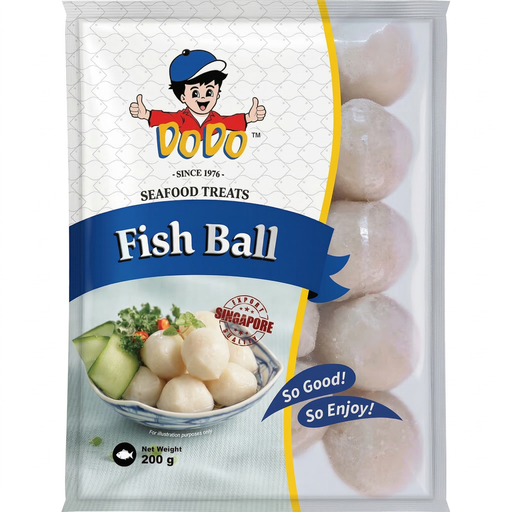
DoDo Fish Balls 200 g
Why is it a good fit? The 200 g pack is well suited to smaller households, a single soup or your first homemade hot pot. The product description lists fish meat as the base ingredient and highlights several possible uses.
The ingredients and allergen information can be reviewed before purchase. This makes it easier to compare the recipe with your own requirements.
200 g net weight; store at –18 °C or below; suitable for hot pot, oden, soups and stir-fries.
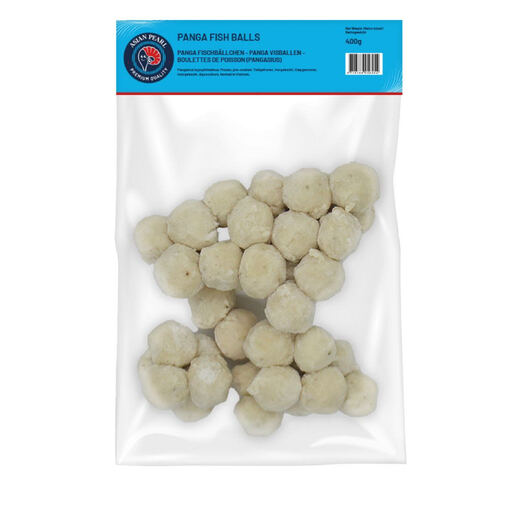
Asian Pearl Panga Fish Balls 400 g
Why is it a good fit? The larger pack is ideal for regular meals. According to the product information, the balls consist of 95% pangasius and can be prepared in a frying pan, on the grill or in an air fryer.
The stated pangasius content makes it easier to compare this product with recipes in which starch or surimi plays a more prominent role.
400 g pack; individually frozen; fish listed as an allergen; several preparation methods.
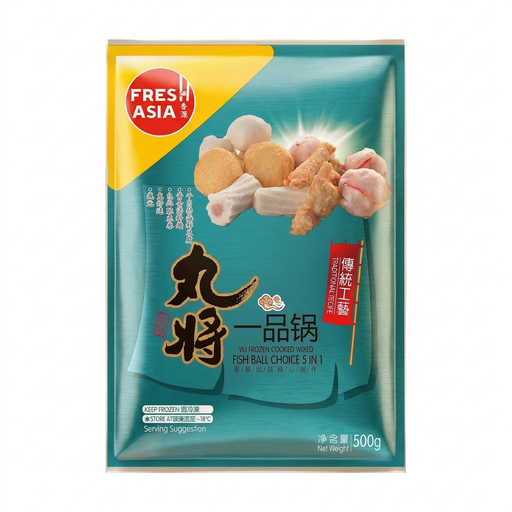
FRESHASIA WJ Mixed Fish Ball Choice 5 in 1, 500 g
Why is it a good fit? According to the description, this mixed pack combines five varieties and is suitable for hot pot, soups, noodles and stir-fries.
The variety reduces the need to buy several individual packs. At the same time, you should check for allergens such as fish, soy, egg, wheat, crustaceans and molluscs.
500 g pack; five varieties in one selection; can be prepared from frozen or after thawing.
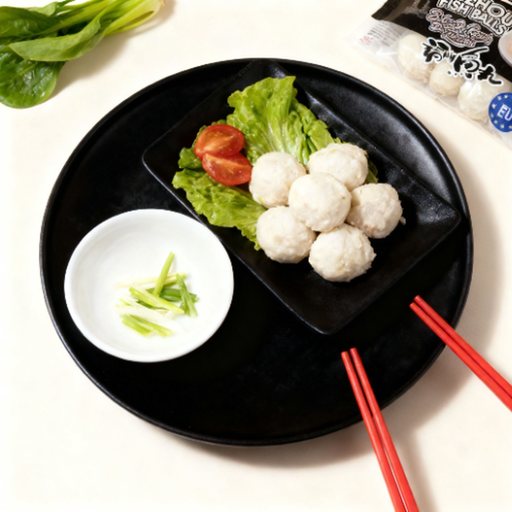
Authentic Fuzhou Fishballs 400 g
Why is it a good fit? The product description specifies a Fuzhou-style fish casing with a savoury pork filling. This makes the variety a good choice for soups, noodles and hot pot with filled fish balls.
The filling is clearly stated. This prevents buyers from expecting a plain fish ball and being surprised when they cut one open.
400 g pack; according to the product information, heat from frozen for four to five minutes; contains fish, wheat, soy and sesame.
Everyday Preparation and Storage
For fish balls for soup and noodles, simmering broth is usually all you need. Depending on the labelling, frozen products can be added directly to the pot. Bring the liquid back to the boil and heat the balls through completely.
For fish balls for hot pot, add the pieces according to their size and cooking time. Large or filled varieties may take longer than smaller balls. Products intended for a frying pan or air fryer should be prepared according to the manufacturer’s instructions.
Keep the packs continuously stored at –18 °C or below, avoid repeated thawing and reseal opened bags as airtight as possible. You will find the best-before date on the packaging. Once thawed, follow the consumption instructions stated there.
Discover more options
The complete category includes further fish balls, surimi balls, squid balls, crab balls and mixed seafood products for a wide range of dishes.
Frequently Asked Questions About Asian Fish Balls
Can Asian fish balls be cooked straight from frozen?
For many products, yes. Some varieties are specifically intended to be prepared from frozen, while others should first be thawed in the refrigerator. Always follow the instructions on the packaging of the product in question.
How long do frozen fish balls keep?
When stored consistently at –18 °C or below, the printed best-before date applies. After thawing, the balls should be consumed promptly in accordance with the instructions on the pack. Refreezing is generally not recommended.
Which fish balls are suitable for hot pot?
Classic fish balls, Fuzhou fish balls, mixed seafood balls, as well as squid and crab varieties are all suitable for hot pot. Pay attention to the recommended cooking time, pack size and possible allergens. For several people, a 300 to 500 g pack is often a more practical choice than several smaller individual packs.