
Buying Asian Fish Balls: A Guide to Choosing for Hot Pot, Soups and Quick Meals
Asian fish balls are incredibly versatile: they work well in hot pot, broths, noodle soups and stir-fries. However, products vary significantly in fish content, filling, seasoning, pack size and storage. If you only look at the product name or an appealing picture, you risk missing important details on the packaging.
Common Buying and Cooking Pitfalls
1. Overlooking the Fish Content and Ingredients List
"Fish balls" doesn't automatically mean the fish content is similar across all products. Depending on the recipe, water, starch, oil, egg white, flavourings or vegetables can make up a larger proportion. Seafood balls may also contain squid, shellfish or artificial flavours.
So, always check the ingredients list in descending order. A high fish content can indicate a more pronounced fish flavour and a firmer texture, but it isn't the sole mark of quality. The type of starch used also affects how elastic or soft the balls become after cooking.
2. Not Clearly Distinguishing Fillings and Allergens
Chinese fish balls, particularly Fuzhou fish balls, can contain a savoury filling. Products with pork or beef filling are not pure fish products. If you follow a specific diet or need to consider allergies, you should read the information particularly carefully.
Possible allergens include fish, soya, egg, wheat (gluten), sesame, celery, crustaceans and molluscs. The information on the product packaging takes precedence. If you have a severe allergy, it is also advisable to check with the manufacturer or the responsible food company.
3. Underestimating the Freezer Chain and Preparation
Frozen fish balls should generally be stored at −18 °C or below. A pack that has thawed should not be refrozen. Buy frozen goods at the end of your shopping trip and transport them home promptly.
Even pre-cooked fish balls must be heated through completely before eating. Depending on the product, they are added directly from the freezer to boiling broth or thawed first. The manufacturer's specific preparation instructions are crucial.
Key Selection Criteria for Asian Fish Balls
Fish Content, Texture and Recipe
Three details are particularly helpful for comparison:
- Fish or surimi content: This shows what proportion of the recipe is fish paste. For example, FRESHASIA WJ Mixed Fish Ball Choice 5 in 1 states 70% fish meat.
- Starch and binders: Tapioca, potato or wheat starch affect the bite and elasticity. Wheat is also a relevant allergen.
- Additives and seasoning: Salt, sugar, soya sauce, flavour enhancers and spices change how the balls can be used. For a clear broth, a milder recipe may be more suitable than heavily seasoned seafood balls.
Pack Size to Suit the Occasion
A 200 g pack is suitable for a small household, a soup or as an addition to vegetables and noodles. 300 g offers more scope for hot pot or several portions. A 500 g pack, like the mixed 5-in-1 selection, is practical when you want different shapes and flavours on the table.
Pay attention to the values per 100 g. They make it easier to compare energy, protein, fat, carbohydrates and salt. The nutritional values are not a judgement of product quality, but a factual guide for your purchasing decision.
Preparation and Storage
Many fish balls for soup and hot pot are heated in simmering broth for about 3 to 5 minutes. Larger or filled varieties may require a longer cooking time. A filled ball should be heated through completely before serving.
For stir-fries, it is advisable to prepare the balls according to the pack instructions and then fry them with vegetables, noodles or sauce. The storage and refrigeration instructions can vary by product: frozen products belong in the freezer, while chilled goods should not be confused with Asian frozen products.
Our Selection by Need and Shopping Profile
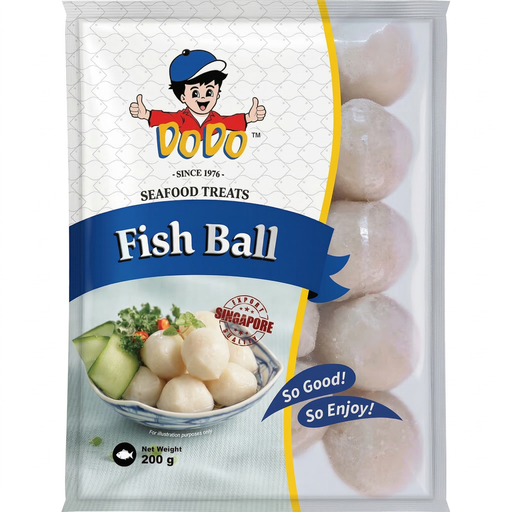
DoDo Fish Balls 200g
Why this product fits the profile: The 200 g pack is a manageable portion and can be used for soup, oden, hot pot or a quick stir-fry.
The ingredients and allergen information explicitly lists fish, wheat, egg and soya. Storage at −18 °C or below and thorough cooking are also stated.
200 g content, individually frozen according to the product description, and versatile for broth, oden and stir-fries.
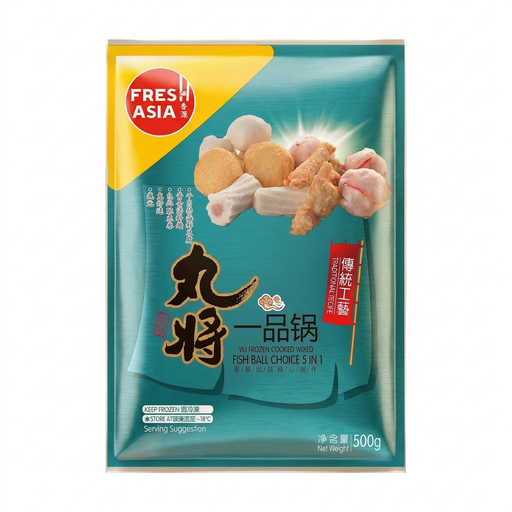
FRESHASIA WJ Mixed Fish Ball Choice 5 in 1 500g/Pack
Why this product fits the profile: The 5-in-1 selection combines different shapes and recipes for hot pot sessions, soups and Asian noodle dishes.
The declared fish content of 70% and the detailed allergen list make the recipe easier to assess. It contains fish, soya, egg, wheat, crustaceans and molluscs, among others.
500 g content, five varieties in one pack, and can be prepared from frozen or thawed according to the product information.
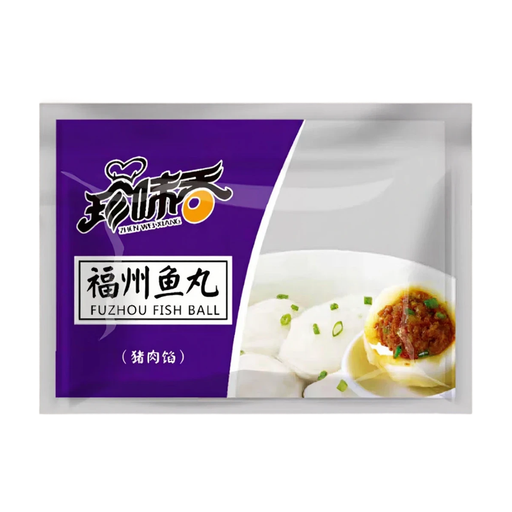
Zhenweixiang Fuzhou Fish Ball 300g
Why this product fits the profile: This variant is interesting for those looking for Fuzhou fish balls without a declared meat filling for hot pot, soup or stir-fries.
The ingredients list states fish meat, water, potato starch and soya protein. No additional filling is mentioned in the information provided.
300 g pack size, can be prepared directly from the freezer, and according to the information, only fish is listed as an allergen.
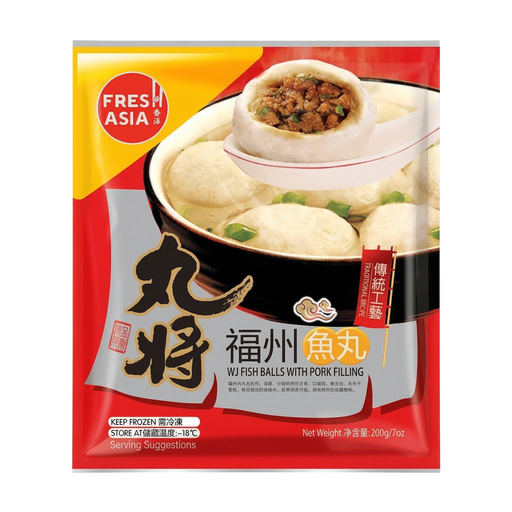
FRESHASIA Wan Jiang Fish Balls with Pork Filling 200g Fuzhou
Why this product fits the profile: These filled fish balls are ideal for households that prefer a savoury addition with an extra filling in hot pot or noodle soup.
The name explicitly indicates the pork filling. This makes it easier to distinguish the product from unfilled Chinese fish balls.
Fuzhou style, 200 g content, and described as versatile for noodle soup, hot pot or serving with a dip.
Looking for more options?
We have put together a complete, regularly updated list of products that fully meet these strict selection criteria and the safety regulations in force in the EU.
FAQ on Asian Fish Balls
How do you prepare Asian fish balls for hot pot?
Frozen fish balls can be added directly to the simmering broth, depending on the manufacturer. Often, 3 to 5 minutes is stated until they are hot and cooked through. Filled varieties may need more time. The preparation instructions on the packaging are definitive.
How long are frozen fish balls good for?
The specific best-before date is on the packaging. If stored consistently at −18 °C or below, the products will keep until that date. Once thawed, they should not be refrozen.
Which Asian fish balls are suitable for soup?
For clear broths, unfilled varieties with mild seasoning, such as Fuzhou fish balls or classic fish balls, work well. For heartier soups and noodle dishes, seafood balls with squid, lobster or vegetable components are also an option. The ingredients list, allergen information and recommended cooking time remain the deciding factors.