
Buying Sauerkraut: A Guide to Avoiding Common Pickled Cabbage Mistakes
By Joybuy Product Recommendation Officer, August 28, 2026
Anyone looking to buy sauerkraut is often faced with a shelf full of options. From classic German wine sauerkraut and spicy Chinese pickled cabbage to ready-made meals, the selection can be overwhelming. The wrong choice can quickly lead to a disappointing taste experience or a product that doesn't suit the planned dish. Before you make your decision, it's helpful to know some common pitfalls that often lead to kitchen frustrations.
A frequent problem is choosing the wrong variety for the intended recipe. Mild German sauerkraut has a different texture and flavour profile than its robust, tangy Asian counterpart, known as Suan Cai. Another point is the ingredient list: many products contain added sugar or preservatives that can mask the pure, fermented taste. Finally, the processing is crucial—a pasteurised product behaves differently during cooking than a raw, fermented one.
This guide will help you navigate these hurdles and find the right product for your needs, whether it's for a traditional German dish, an authentic Asian hot pot, or a quick meal.
What Really Matters When Buying Sauerkraut
To ensure you get the right product, you should pay attention to three key features. These parameters determine the taste, texture, and suitability for your culinary plans.
1. Origin and Cabbage Type: The Flavour Difference
The term "sauerkraut" is broad. The base ingredient determines the final result:
- German Sauerkraut: Typically made from finely shredded white cabbage. Varieties like Weinsauerkraut (wine sauerkraut) are refined with a small amount of wine, giving them a milder, juicier note. It is the classic choice for dishes like Kassler (smoked pork), bratwurst, or Schupfnudeln (potato noodles). Brands like Hengstenberg Sauerkraut or Spreewaldhof are established names here.
- Chinese Sauerkraut (Suan Cai): Often based on napa cabbage or mustard greens. The flavour is usually more intense, saltier, and more complex. This pickled cabbage is an essential ingredient for dishes like Sichuan-style fish with pickled cabbage or as a flavourful base for sauerkraut for hot pot.
- Turkish Sauerkraut (Lahana Tur?usu): Also made from white cabbage, but often pickled with vinegar, garlic, and sometimes hot peppers, giving it a distinctly different, strong, and sour aroma.
2. Ingredient List and Processing
A look at the label is essential. Pay attention to the following:
- Additives: Check for sugar, vinegar, or preservatives. Products consisting only of cabbage, water, and salt that have been naturally fermented offer the most authentic flavour. An example of this is Yu Yuan Suan Cai, which, according to the manufacturer, is made with a fermentation culture (Lactobacillus plantarum).
- Pasteurisation: Most commercially available sauerkraut products are pasteurised (heat-treated) to extend their shelf life. This stops the fermentation process. Those who value live lactic acid cultures should look for unpasteurised products in the refrigerated section or opt for products explicitly labelled as "naturally fermented."
- Cut Type: Depending on the intended use, the cut can be relevant. Fine shreds are well-suited as a side dish, while coarser pieces or whole leaves are ideal for stews or fillings.
3. Intended Use: Ingredient or Ready-Made Meal?
Your purchasing decision heavily depends on how much time you want to spend in the kitchen:
- As an Ingredient: If you're cooking from scratch, you'll need a base product in a jar, can, or pouch. This gives you full control over seasoning and preparation.
- As a Ready-Made Meal with Sauerkraut: For a quick meal, there are numerous options. These include complete dishes like Kassler with cabbage, as well as instant noodle soups or dumplings with a pork and sauerkraut filling.
Top Picks by Use Case
Here are some recommendations tailored to different needs and cooking styles.
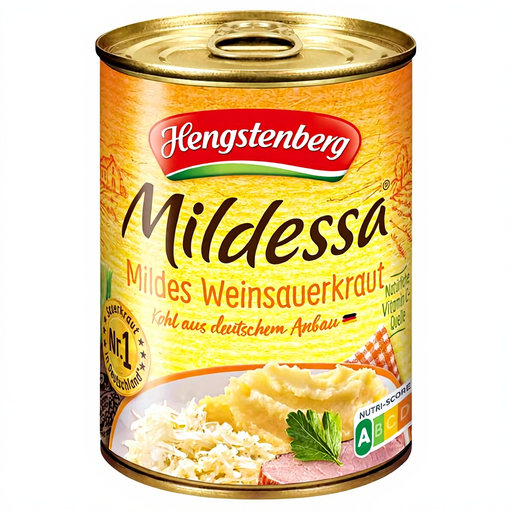
Hengstenberg Mildessa Mild Wine Sauerkraut 580ml
Why This Fits Their Persona: Ideal for those who appreciate the classic taste of sauerkraut as a side dish for hearty meals like roasts, smoked pork, or sausages. The mild wine flavour makes it particularly accessible.
This product is clearly labelled as wine sauerkraut and is optimised for German cuisine. This avoids the pitfall of choosing an unsuitable variety for a traditional dish.
Ready-to-cook with a mild flavour. The ingredient list is simple and classic, containing white cabbage, wine, and salt.
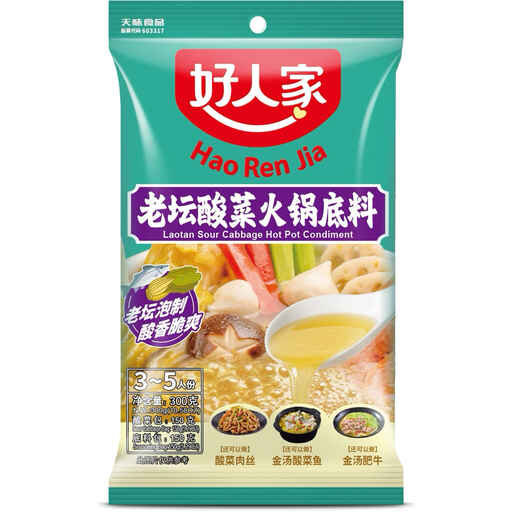
Hao Ren Jia Lao Tan Sour Cabbage Hot Pot Base 300g
Why This Fits Their Persona: Perfect for home cooks who want to recreate the authentic taste of a Sichuan hot pot or a dish like "Suan Cai Yu" (fish with pickled cabbage) at home.
This is a specialised seasoning base, not just plain sauerkraut. It provides the complex, spicy-sour flavour required for Chinese sauerkraut dishes, which cannot be achieved with German sauerkraut.
A convenient all-in-one solution that combines pickled mustard greens, chilli, ginger, and spices. Ideal as a sauerkraut for hot pot.
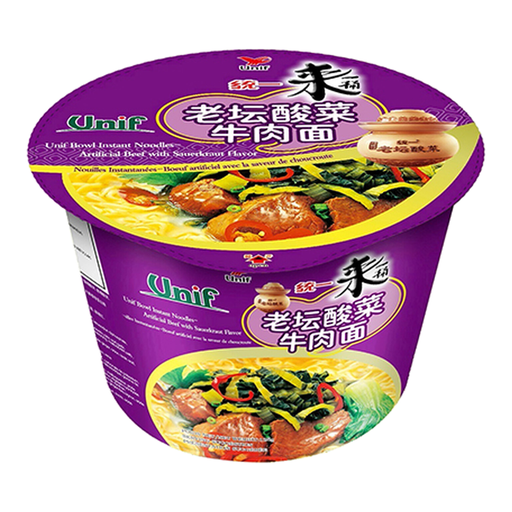
UNI Noodles (Bowl) - Beef & Sauerkraut 125g
Why This Fits Their Persona: For anyone looking for a quick, easy, yet flavourful meal. Ideal for a lunch break at the office or a fast dinner with no cooking effort.
This product is a complete ready-made meal with sauerkraut. It directly satisfies the need for a quick meal and requires no additional ingredients or cooking skills.
Ready in minutes with just hot water. The combination of noodles, savoury broth, and the signature taste of pickled cabbage is extremely popular.
Looking for More Options?
We have compiled a complete, up-to-date list of products that fully meet these strict selection criteria and comply with German regulations.
Frequently Asked Questions (FAQ)
What is the difference between wine sauerkraut and classic sauerkraut?
Weinsauerkraut, as the name suggests, has a small amount of white wine added to it. This addition typically makes the sauerkraut milder, juicier, and gives it a subtle, fruity note. Classic sauerkraut without wine often tastes stronger and more acidic. The choice depends on personal preference and the dish it will be used for.
How can I tell if a sauerkraut is suitable for Asian dishes like hot pot?
Pay attention to the product name and the ingredient list. Terms like Suan Cai, "pickled mustard greens," or specific labels like "Hot Pot Base" are clear indicators. The ingredient list will often include mustard greens instead of white cabbage, as well as additional spices like chilli, ginger, and Sichuan pepper. German sauerkraut is unsuitable for these dishes in terms of both flavour and texture.
How do I store an opened can or jar of sauerkraut?
Once opened, sauerkraut, especially from a metal can, should be transferred to a clean, non-metallic container (e.g., glass or plastic) with a lid. Stored in the refrigerator, it should be consumed within a few days to maintain its freshness and quality. Make sure the sauerkraut is always covered with some of its liquid.