
Chinese Sauerkraut Fish Seasoning: A Guide to Choosing Suan Cai Yu for Home Cooking
A Chinese sauerkraut fish seasoning mix can make preparing a spicy fish soup much easier. It usually refers to Suan Cai Yu: fish with pickled mustard greens, a tangy, savoury speciality of Sichuan cuisine. However, choosing the right product isn’t always straightforward for home cooks in the UK. Terms such as sauerkraut, pickled cabbage, kimchi sauce and fish soup base are sometimes used in similar ways in shops, even though the products have different ingredients and uses.
Common pitfalls when buying fish seasoning mixes
1. Sauerkraut isn’t necessarily Suan Cai
German sauerkraut is usually made from white cabbage. Suan Cai Yu, on the other hand, is generally made with pickled mustard greens. These have a different acidity, texture and flavour. A traditional German sauerkraut base may work as a side dish, but it won’t necessarily replace a Chinese fish soup seasoning mix.
Pickled red cabbage or red cabbage with apple also has a different flavour profile. It’s better suited to German dishes such as roasts, game, dumplings or pasta, rather than as a direct base for Sichuan fish soup.
2. “Complete set” can mean different things
Some products contain only a seasoning sauce. Others combine several sachets, such as fish marinade, pickled vegetables and soup base. Before buying, check that the product includes the ingredient you’re looking for.
For a traditional preparation, these components are often useful:
- Seasoning or soup base
- Pickled mustard greens
- Marinade for the fish fillets
- Instructions on how much water to use
- Cooking time guidance
3. It’s easy to underestimate the heat and salt content
Many Chinese seasoning sauces and Asian spice mixes contain concentrated salt, chilli, soy sauce or fermented ingredients. Product information sometimes lists high salt levels, for example 8.5 to 18 g of salt per 100 g in various fish seasoning bases. This doesn’t mean you’ll use that amount per portion, but it does show why it’s best to add any extra salt at the end.
What to check before you buy
Ingredients and allergens
Typical ingredients in a Suan Cai Yu seasoning mix include mustard greens, chilli, ginger, garlic, Sichuan pepper and fermented seasonings. Depending on the product, it may also contain soya, wheat, sesame, peanuts, mustard or celery.
If you need to avoid allergens, check the current packaging information. Seasoning sauces containing Pixian chilli bean paste or soy sauce may contain soya beans and wheat. Kimchi sauce may also carry warnings about fish, prawns or other crustaceans.
Portion size and preparation quantities
A 200 to 360 g pack isn’t automatically intended for the same number of people as another pack of similar size. The recommended quantities of fish and water are what matter. Some products call for around 800 to 1,000 ml of water and about 500 g of fish fillet.
Sets with clearly separated sachets are useful, as they make it easier to adjust the flavour. For example, you can use only part of the chilli or seasoning sachet.
Intended use
Not every Chinese seasoning sauce is designed exclusively for fish. Some products can also be used for:
- Sichuan fish soup and other soups
- Hot pot and stews
- Noodles or rice dishes
- Vegetable stir-fries
- Side dishes with pickled vegetables
A concentrated seasoning sauce such as Pickled Cabbage Fish Seasoning may be more intense than a ready-made soup. Be sure to follow the recommended use on the packaging.
Products for different needs
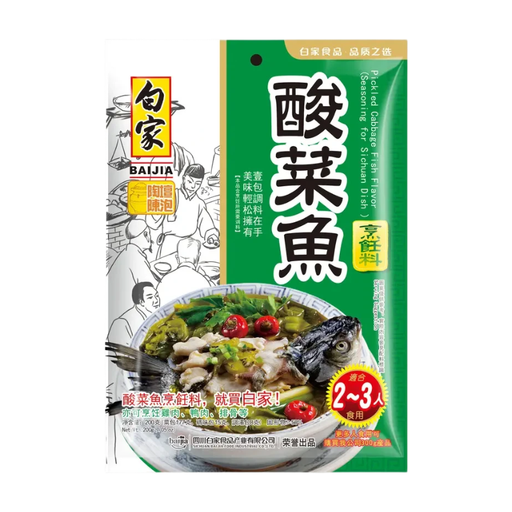
Baijia Pickled Cabbage Fish Seasoning 200g
Why it suits this profile: The compact pack is a good choice for your first attempt at Suan Cai Yu, and you’ll only need a few extra ingredients, such as fish and water.
The product description specifically mentions pickled mustard greens and a seasoning base, making it clear how this differs from plain German sauerkraut.
200 g pack; according to the product information, suitable for fish dishes, soup or hot pot.
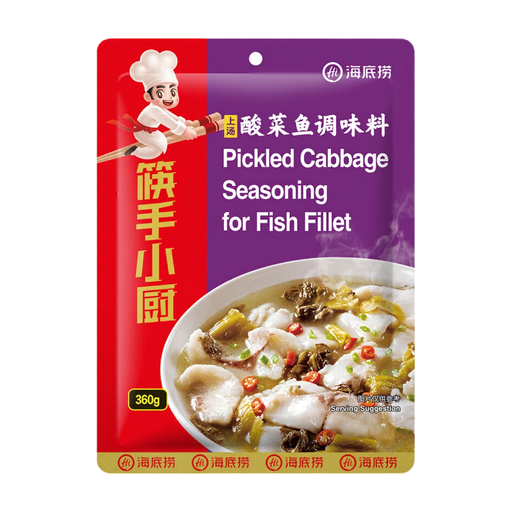
HAIDILAO Pickled Cabbage Fish Seasoning 360g
Why it suits this profile: According to the product description, the set combines a sauce with a sachet of pickled vegetables, making it a good option if you’re looking for several layers of flavour.
The separate components make it clear that this is more than just a single Chinese seasoning sauce.
360 g pack; the ingredients list includes mustard greens, chilli, ginger, garlic and spices.
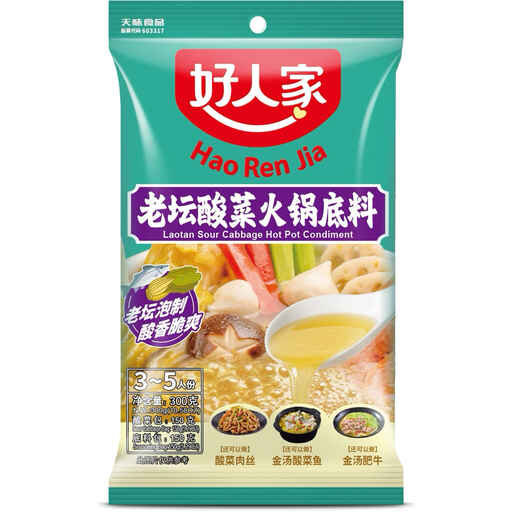
Hao Ren Jia Lao Tan Sour Cabbage Hot Pot Base 300g
Why it suits this profile: According to the product information, this base is intended for hot pot, soups and stews, so you can use it for more than just fish dishes.
The stated intended use helps prevent you from accidentally buying a fish soup seasoning mix when you need a versatile hot pot base.
300 g pack; the ingredients list includes pickled mustard greens, chilli, garlic and Sichuan pepper.
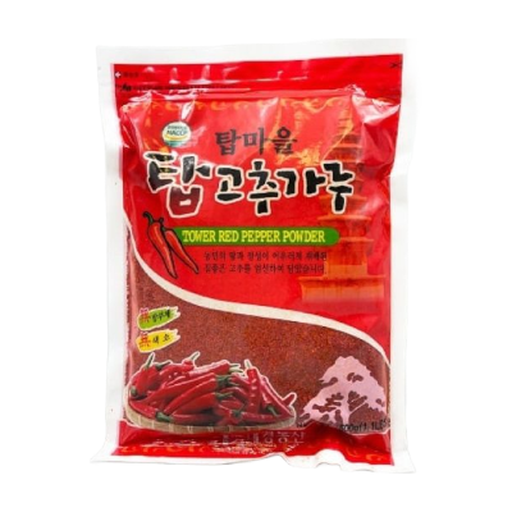
TOWER Red pepper powder for Kimchi 500g
Why it suits this profile: If you’d like to make kimchi as well as Suan Cai Yu, this separate Gochugaru product is made for Korean recipes.
It’s clearly labelled as coarse red pepper powder for kimchi, rather than being sold as a ready-made sauerkraut fish seasoning mix.
500 g pack; according to the product information, it has a coarse Gochugaru texture and no declared allergens.
Cook with confidence and avoid unnecessary purchases
Mild, boneless fillets such as cod or other firm white fish work well in Chinese fish soup. Depending on the set, the fish fillet is first mixed with a marinade. The pickled vegetables and seasoning base are then heated, topped up with the stated amount of water and brought to the boil.
Add the fish fillet only once the broth is ready. The exact cooking time depends on the thickness of the pieces. Product information for some sets recommends around two to eight minutes. Overcooking can affect the texture of the fish. After opening, store any remaining sachets or sauces in the fridge, following the packaging instructions.
Frequently asked questions about Chinese sauerkraut fish seasoning
What’s the difference between Suan Cai Yu and German sauerkraut soup?
Suan Cai Yu is usually made with pickled mustard greens, chilli, ginger and a savoury broth. German sauerkraut soup, on the other hand, typically uses fermented white cabbage and a different blend of seasonings. Both dishes contain pickled cabbage, but they aren’t interchangeable.
Can I use kimchi sauce with fish?
You can, provided the label says the sauce is suitable for cooking. However, kimchi sauce or kimchi ketchup usually adds a Korean-inspired, sweet and spicy flavour, and won’t replace a complete Suan Cai Yu seasoning mix. Check the ingredients and allergens first.
How long does an opened seasoning sauce keep?
This depends on the product. Unopened packs are usually stored in a cool, dry place away from direct sunlight. Once opened, they often need to be kept in the fridge. Always follow the best-before date and the specific instructions on the packaging.