
Buy Chinese Pickled Cabbage: How to Choose Suan Cai for Side Dishes, Fish and Dumplings
Chinese pickled cabbage is a versatile ingredient for Sichuan cuisine, soups, noodles, dumplings and quick side dishes. In Germany, however, you will find a range of different products: fermented cabbage in a pouch, pickled mustard greens in a jar, seasoning sauces, hot-pot bases or ready-filled frozen dumplings. So if you search only for “Suan Cai”, you may not always be comparing like-for-like products.
There are three common pitfalls to look out for before buying:
- Suan Cai is not always Chinese cabbage: Many Chinese varieties are made from mustard greens. This affects the texture, spiciness and acidity.
- “Sour” does not automatically mean “fermented”: Acidity regulators such as vinegar, citric acid or lactic acid may also be used. Checking the ingredients and product description will give you a clearer picture.
- Ready to eat and ready to cook are different categories: Some products can be served directly as a side dish, while others need to be rinsed, fried or heated thoroughly.
The key criteria when buying Chinese pickled cabbage
1. Check the type of cabbage and how it has been processed
Traditional Chinese pickled cabbage, also known as Suan Cai, is often made using mustard leaves. Its flavour is generally stronger and more savoury than German white-cabbage sauerkraut. Products made from Chinese cabbage, on the other hand, may be milder and more tender.
Also pay attention to the format:
- Shredded cabbage: Convenient for soups, stir-fries and fillings.
- Whole cabbage: Easy to portion as needed, but it must be cut before preparation.
- Seasoning paste or sauce base: Often contains oil, chilli, ginger, garlic and spices, so it should not be confused with plain fermented cabbage.
- Ready meal or dumpling filling: Saves preparation time, but offers fewer options for adjusting the seasoning to your taste.
A product such as Liu Bi Ju Pickled Cabbage (Shredded) is already cut and, according to the product information, is intended for fish dishes, braised dishes and dumpling fillings. Yu Yuan Suan Cai Whole Cabbage, by contrast, is supplied as a whole cabbage.
2. Compare the salt content and ingredients list
Pickled cabbage is often salted to preserve it. Salt levels can vary considerably between products. Liu Bi Ju lists 2.3 g of salt per 100 g, while Hao Ren Jia Seasoning for Fish contains 18 g of salt per 100 g. The latter is a combined sauce and should therefore not be portioned like a plain cabbage side dish.
In practical terms:
- If the cabbage is very salty, rinse it with water first.
- Then drain it thoroughly.
- Only add extra soy sauce, stock or salt afterwards.
If you want to avoid or reduce additives, look out for acidity regulators, preservatives, colourings and flavour enhancers. Allergens must also be taken into account. Depending on the product, it may contain soya, wheat, sesame, peanuts, mustard or sulphites.
3. Choose preparation and storage options to suit your needs
A jar or pouch for the cupboard is convenient if you cook regularly. Once opened, however, you should follow the instructions on the packaging. Some products need to be refrigerated and used promptly.
You should also distinguish between:
- Products that need cooking: For example, Yu Yuan Suan Cai or Liu Bi Ju, which the product information says should be cooked before eating.
- Side dishes that are ready to use: Such as certain pickled vegetable stems or sauces.
- Frozen products: FRESHASIA Pork and Sauerkraut Handmade Dumplings must be stored at at least −18 °C and cooked thoroughly.
- Tins and jars: German sauerkraut such as Hengstenberg Mildessa is designed to be heated easily and works well with classic dishes.
Product selection by user profile
The selection below matches different types of products to specific uses. Pack size, ingredients, preparation and storage requirements according to the product information are the key considerations.
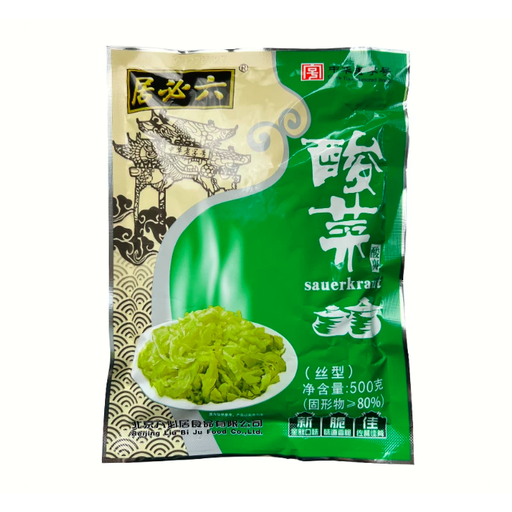
Liu Bi Ju Pickled Cabbage (Shredded) 500g
Why this product suits the profile: The pre-shredded 500 g portion is ideal for trying your first dishes with Chinese pickled cabbage, without having to prepare a whole head.
The product information specifically mentions rinsing and draining before cooking. This makes it easier to control the intensity of the seasoning.
Shredded format, 500 g contents and, according to the nutritional information, 16 kcal and 2.3 g of salt per 100 g. Contains sulphites.
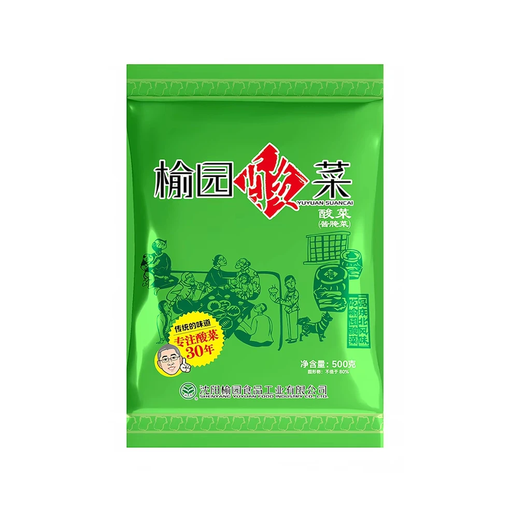
Yu Yuan Suan Cai Whole Cabbage 500g
Why this product suits the profile: If you compare the ingredients list and production method particularly carefully, you get a whole cabbage with a specified fermentation culture and flexible uses.
The product description lists Chinese cabbage as the main ingredient at a minimum of 80%, along with Lactobacillus plantarum as the fermentation culture.
500 g contents, whole cabbage, 1.4 g of salt and 18 kcal per 100 g according to the labelling. Rinse, cut and cook before eating.
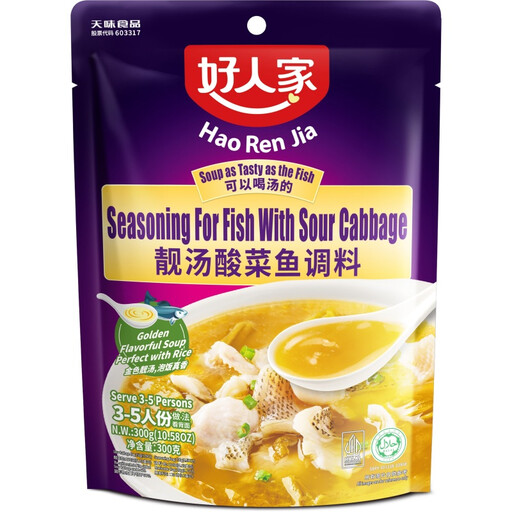
Hao Ren Jia Seasoning for Fish with Sour Cabbage, 300g
Why this product suits the profile: This combined seasoning base is designed for households that regularly prepare Suan Cai fish and want cabbage, chilli, ginger and spices in one pack.
The labelling makes it clear that this is a seasoned cooking base rather than pure fermented cabbage. Allergens including soya, sesame and peanuts are listed.
300 g pack with balanced seasoning for fish with sour cabbage. According to the product information, it contains 18 g of salt per 100 g; refrigerate after opening.
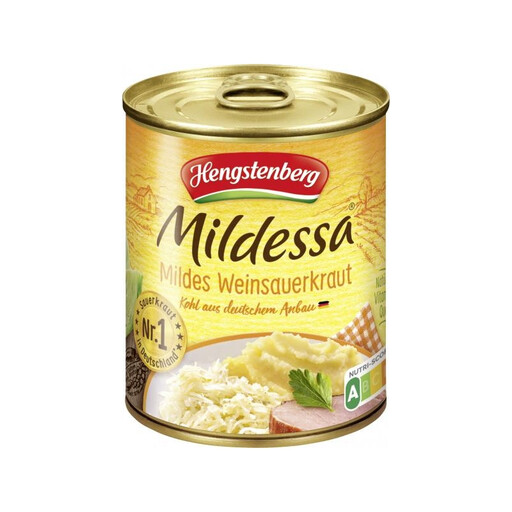
Hengstenberg Mildessa Wine Sauerkraut 850ml
Why this product suits the profile: For sauerkraut served with cured pork, sausages or vegetarian dishes, this German variety is a straightforward alternative to Chinese mustard greens.
The product type is clearly identifiable: white-cabbage sauerkraut with wine and salt, not Chinese pickled mustard greens.
850 ml pack, with 22 kcal and 1.1 g of salt per 100 g according to the product information. Can be heated in a saucepan or microwave.
Looking for more options?
We have put together a complete, regularly updated list of products that fully meet these strict selection criteria and the safety regulations applicable in the EU.
Frequently asked questions about Chinese pickled cabbage
What is the difference between Suan Cai and German sauerkraut?
Suan Cai is often made from mustard greens and combined with Chinese spices, chilli or ginger. German sauerkraut is typically based on white cabbage and is often served as a side dish with meat or potato dishes. Both products are fermented or pickled cabbage products, but their ingredients, acidity and seasoning differ.
Do you need to rinse Chinese pickled cabbage before cooking?
That depends on the labelling. Rinsing heavily salted cabbage can reduce its salty flavour. Liu Bi Ju and Yu Yuan explicitly state that the cabbage should be rinsed before preparation. With a seasoned fish or hot-pot base, however, it may be more appropriate to use the sauce directly according to the instructions.
How long does Chinese pickled cabbage keep after opening?
There is no one-size-fits-all answer. Sealed products are generally stored at room temperature, but often need to be refrigerated once opened. The packaging instructions, smell, appearance and stated use-by period for the individual product are the deciding factors. Frozen dumplings must continue to be stored at a constant temperature of at least −18 °C.