
Buying Coconut Water: A Guide to Choosing the Right Product
When you're browsing the shelves or shopping online for coconut water, the selection can be overwhelming. The packaging promises tropical refreshment and natural ingredients, but not every product delivers on its promise. Before you buy your next coconut water, it's important to understand the common pitfalls that can lead to an unsuitable choice.
Two widespread issues are particularly relevant:
- The Sugar Trap: Many beverages marketed as "coconut water" contain significant amounts of added sugar or fructose syrup. This undermines the purpose for health-conscious consumers seeking a low-calorie alternative. The added sugar often serves to mask the taste of lower-quality water or water made from concentrate.
- The Concentrate Difference: Some products are made from coconut water concentrate, a process where water is removed and later added back. This can alter the delicate, natural flavour and potentially the nutrient profile compared to pure coconut water that is bottled directly from the nut.
A careful look at the product details is therefore crucial to making an informed decision.
What to Look For When Buying Coconut Water
To ensure you get a product that meets your expectations, you should check two key parameters. These will help you objectively assess the quality and suitability of any coconut water.
1. The Ingredients List: An Indicator of Purity
The most telling information is found on the ingredients list. A high-quality product should ideally contain only one ingredient: 100% coconut water.
- Pure Coconut Water: Look for phrases like "100% coconut water" or "not from concentrate." This indicates that the product was not made from concentrate.
- Coconut Water with No Added Sugar: Watch out for terms like cane sugar, fructose, glucose syrup, or other sweeteners. If you value the natural sweetness and low calorie count of coconut water, these should not be on the list. Some products contain small amounts of added sugar for flavour stability, which must be declared on the packaging.
- Additives: Sometimes, ascorbic acid (Vitamin C) is added as an antioxidant to preserve the colour. This is a common and harmless additive but should be listed transparently.
2. Nutrition Facts: Calories, Sugar, and Electrolytes
The nutrition table provides objective data about the contents. For athletes and health-conscious buyers, these are critical values.
- Energy and Sugar: Pure coconut water naturally contains sugar and therefore has calories, typically between 15 and 25 kcal per 100 ml. A significantly higher value may indicate added sugar. The natural sugar content is usually between 3 and 5 g per 100 ml.
- Electrolytes: Coconut water is known for its natural electrolyte content, especially potassium. It functions as a natural electrolyte drink. The potassium content can vary depending on the origin and variety of the coconuts but is often between 150 mg and 250 mg per 100 ml. This property makes coconut water for athletes an interesting alternative to conventional isotonic drinks.
Recommended Picks for Different Needs
Different products are suitable depending on the intended use and personal priorities. Here are some recommendations tailored to specific user profiles.
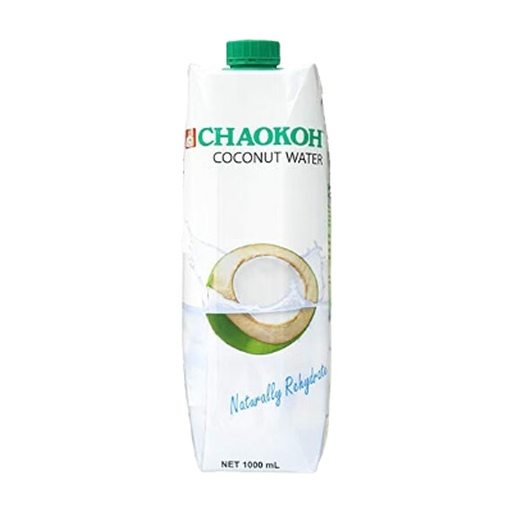
CHAOKOH 100% Pure Coconut Water 1L
Why This Fits Their Persona: The convenient 1L coconut water packaging is ideal for daily use, for smoothies, or for stocking the pantry. It offers great value for money, especially when considering a bulk pack of coconut water.
This product avoids the sugar trap as it is made from 100% coconut water with no added sugar, according to the manufacturer. It is not from concentrate.
Consists of just one ingredient and comes in a resealable 1-litre carton, making it easy to store in the refrigerator.
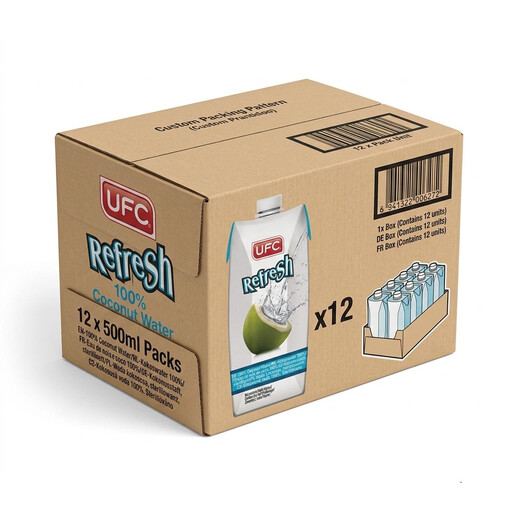
UFC Coconut Water 12*500ml (1 Box)
Why This Fits Their Persona: Athletes need quick, natural rehydration. This product is designed as an isotonic drink and, according to the manufacturer, provides 211 mg of potassium per 100 ml. The 500ml packs are convenient for a gym bag.
This is pure coconut water with no added sugar. The clear nutritional information confirms it's a pure, natural product that isn't compromised by unnecessary additives.
High natural potassium content and convenient portion sizes. Buying a bulk pack ensures a post-workout drink is always available.
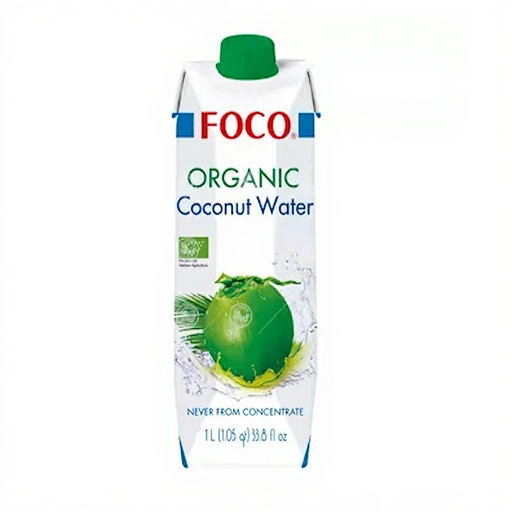
FOCO Organic Coconut Water 1L
Why This Fits Their Persona: For buyers who value sustainable farming and certified quality, organic coconut water is the top choice. This product guarantees that the coconuts come from certified organic agriculture.
The organic certification provides an extra layer of security against misleading "natural" advertising claims. It ensures that no synthetic pesticides or fertilisers were used.
Certified organic quality and a pure ingredients list (100% organic coconut water). The 1-litre size is also practical for regular consumption.
Looking for More Options?
We've compiled a complete, up-to-date list of products that fully meet these strict selection criteria.
Frequently Asked Questions (FAQ)
1. Is coconut water the same as coconut milk?
No, they are two different products. Coconut water is the clear, watery liquid from the inside of young, green coconuts. It is naturally low in fat. Coconut milk, on the other hand, is made from the pressed flesh of ripe, brown coconuts and has a much higher fat content and a creamy consistency.
2. How long does opened coconut water last?
Once opened, coconut water should be stored in the refrigerator. Most manufacturers recommend consuming it within 24 hours to 3 days to ensure freshness and flavour. Always follow the specific instructions on the product packaging. Unopened, UHT-treated coconut water cartons can be stored at room temperature for many months.
3. Why is coconut water considered a good isotonic drink?
A beverage is called isotonic when its concentration of dissolved particles (like sugars and salts) is similar to that of human blood. This allows for rapid absorption of fluid and minerals by the body. Coconut water naturally contains a mix of carbohydrates (in the form of sugar) and electrolytes (especially potassium), which makes its composition similar to that of isotonic sports drinks and a natural option for rehydration.