
Buying Coconut Water: A Guide to Making the Right Choice
As your Joybuy Product Recommendation Officer, my mission is to bring clarity to the often confusing retail landscape. Anyone looking to buy coconut water faces a shelf full of products that seem nearly identical at first glance. However, the differences are significant and can determine whether you get a refreshing natural product or a sugary beverage. Before you make a decision, you should be aware of the most common pitfalls.
The 2 Most Common Mistakes When Buying Coconut Products:
- The 'No Added Sugar' Trap: Many products advertise their natural qualities but still contain high levels of naturally occurring sugars or are sweetened with fruit juice concentrates. A look at the nutrition facts panel is essential to check the actual sugar content.
- The Risk of Confusion: Coconut water is not the same as coconut milk or a coconut drink. These products have different production methods, nutritional profiles, and uses. Buying the wrong one can lead to an unpleasant surprise, whether you're cooking or drinking it.
What to Look for When Buying Coconut Water
To ensure you find the right product for your needs, two criteria are crucial: the ingredients list and the product type.
The Ingredients List: Pure Coconut Water vs. Coconut Drink
The name on the front of the package can be misleading. The truth about a product is revealed in its ingredients list.
- Pure Coconut Water: A product labelled as pure coconut water should ideally contain only one ingredient: "100% coconut water." These products are often the top choice for athletes and health-conscious consumers looking for an isotonic drink without artificial additives.
- Coconut Water Without Sugar: Look for phrases like "no added sugar." However, you should still compare the sugar content on the nutrition facts panel, as coconut water naturally contains sugar.
- Coconut Drink: As soon as other ingredients like sugar (e.g., cane sugar), flavourings, or other juices are added, it is legally classified as a coconut drink. These are often sweeter in taste but less suitable for a clean diet.
Product Type: Water for Drinking, Milk for Cooking
The right choice depends heavily on its intended use.
- Coconut Water: The clear liquid from the inside of young, green coconuts. It is low in calories and valued for its hydrating properties.
- Coconut Milk: Made from the pressed flesh of ripe coconuts mixed with water. It is creamy, higher in fat, and an essential ingredient in Asian cuisine. Coconut milk for cooking is therefore ideal for curries, soups, and desserts.
- Organic Coconut Water: Products with an organic seal guarantee that the coconuts come from organic farming and that certain additives are avoided during processing.
Product Picks for Different Uses
Here are some recommendations tailored to different needs and preferences.
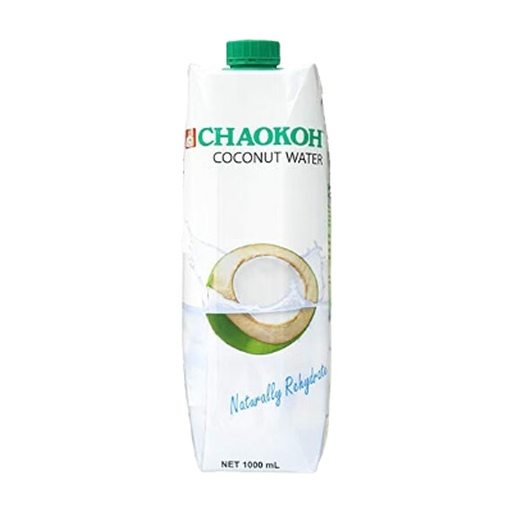
CHAOKOH 100% Pure Coconut Water 1L
Why This Fits Their Persona: Ideal for anyone seeking pure, natural hydration. This product is perfect as a base for smoothies or as a refreshing post-workout drink to replenish electrolytes.
The ingredients list is completely transparent: it contains only 100% coconut water. This avoids the trap of hidden sugars or unnecessary additives.
No added sugar, no preservatives. According to the manufacturer, it is a natural source of electrolytes like potassium.
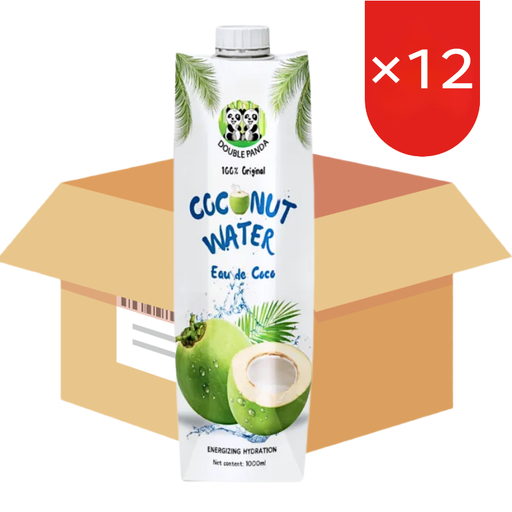
DOUBLE PANDA Coconut Water 12x1L
Why This Fits Their Persona: For households that regularly enjoy a refreshing, lightly sweetened coconut drink. The bulk pack offers excellent value for everyday use.
This product is honestly positioned as a coconut drink. The ingredients list transparently indicates the added cane sugar, so no false expectations are set.
Convenient bulk pack (12x1L). Its lightly sweet taste makes it a popular alternative to traditional soft drinks.
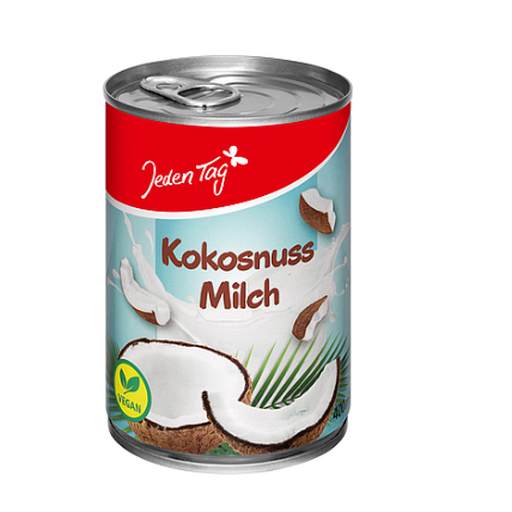
Jeden Tag Organic Coconut Milk 400ml
Why This Fits Their Persona: Indispensable for home cooks preparing authentic Asian drinks and dishes. Its creamy consistency and high coconut content provide the ideal base for curries, soups, and desserts.
The clear labelling as coconut milk for cooking prevents confusion with ready-to-drink coconut water. The can is designed for culinary use.
Certified organic. The creamy texture with 52% coconut extract ensures an intense flavour in dishes.
Looking for More Options?
We have compiled a complete, up-to-date list of products that fully meet these strict selection criteria.
Frequently Asked Questions
What is the difference between coconut water and coconut milk?
Coconut water is the thin, almost clear liquid from inside young, green coconuts. It is a refreshing drink. Coconut milk, on the other hand, is made from the crushed and pressed flesh of ripe, brown coconuts. It is thick, creamy, rich in fat, and is primarily used for cooking and baking.
How do I store coconut water properly?
Unopened packages of coconut water that have been ultra-high temperature (UHT) processed can be stored at room temperature in a cool, dry place. The best-before date is indicated on the packaging. After opening, coconut water should be refrigerated and consumed within a few days, typically 3, to ensure freshness.
Is coconut water suitable for athletes?
Due to its natural content of electrolytes like potassium and sodium, coconut water is often considered a natural isotonic drink. It can help replenish fluid and mineral loss after moderate exercise. For a pure, low-sugar option, athletes should specifically look for products made from "100% coconut water" with no added sugar.