
Buying Coconut Water: A Guide to Avoiding Sugar Traps
Coconut water has established itself as a refreshing alternative to sugary sodas and juices. But the market can be overwhelming, and not every product promising a tropical escape delivers on its claims. Many consumers unknowingly reach for products that are closer to a sugary beverage than a natural thirst quencher. This guide will help you spot the most common pitfalls and make an informed decision.
The 2 Most Common Traps When Buying Coconut Water:
- The "No Added Sugar" Ambiguity: A product can be advertised as having "no added sugar" but still be made from coconut water concentrate. When concentrate is reconstituted, the original, subtle flavour is often lost. Some manufacturers compensate by adding fructose or other sweeteners that don't always have to be explicitly declared as "sugar."
- The Difference Between Coconut Water and a Coconut Drink: Terms like "coconut juice" or "coconut drink" are often used interchangeably. However, these products frequently contain only a small percentage of real coconut water and are instead fortified with water, sugar, and flavourings. The result is a high-calorie beverage that bears little resemblance to the original, natural product.
What to Look for Before You Buy
To ensure you're getting a high-quality product that meets your needs, you should check three key parameters. These will help you objectively evaluate the quality and suitability of the coconut water.
1. The Ingredients List: An Indicator of Purity
The most telling information is found on the ingredients list. A pure coconut water should ideally contain only one ingredient: 100% coconut water.
- Watch out for additives: Terms like "sugar," "fructose syrup," "flavourings," or "acidity regulators" indicate that it's not a pure, natural product. If you're looking for a coconut water with no added sugar, a short and clear ingredients list is your most important criterion.
- Concentrate vs. Not from Concentrate: The phrase "from coconut water concentrate" means that moisture was removed from the original water and later added back. This process can affect the nutrient content and flavour. Products that are not made from concentrate often offer a more authentic taste experience.
2. Nutritional Information: A Look at Sugar and Electrolytes
Coconut water is often prized as a natural isotonic drink because it naturally contains electrolytes.
- Natural Sugar Content: Pure coconut water naturally contains sugar, typically between 3 and 5 grams per 100 ml. Values significantly higher than this are a strong indicator of added sugar.
- Electrolyte Content: For athletes and active individuals, the potassium, sodium, and magnesium content is relevant. A look at the nutrition facts table can reveal how well a product serves as an electrolyte drink for post-workout rehydration.
3. Packaging and Origin: Practicality and Quality
The choice of packaging largely depends on your intended use.
- For Stocking Up: A 1L coconut water in a carton is a practical and often more cost-effective option for daily use, for families, or for use in smoothies and recipes.
- For On-the-Go: Smaller cans or bottles (e.g., 330 ml or 500 ml) are ideal as a quick thirst quencher after a workout or while you're out and about.
- Organic Certification: An organic coconut water guarantees that the coconuts come from organic farming, which avoids the use of synthetic pesticides and fertilisers.
Top Picks for Every Need
Based on these objective criteria, we have curated a selection of products for different needs.
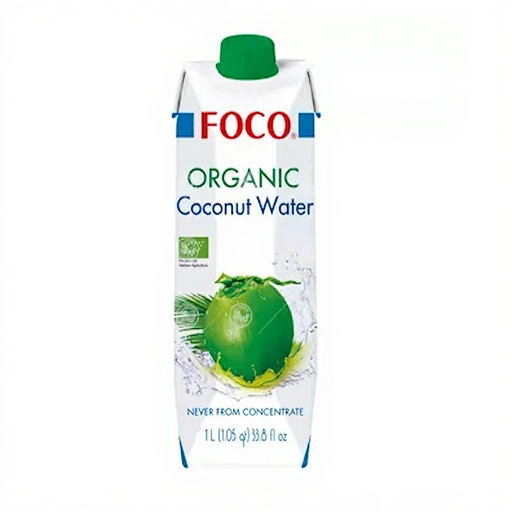
FOCO Organic Coconut Water 1L
Why This Fits Their Persona: Ideal for regular consumption, as a base for smoothies, or as a healthy thirst quencher for the whole family. The organic certification appeals to health-conscious households.
The ingredients list is clear: 100% organic coconut water. There are no hidden sugars or flavourings, making it a pure, natural product.
Certified organic; convenient 1-litre size for stocking up.
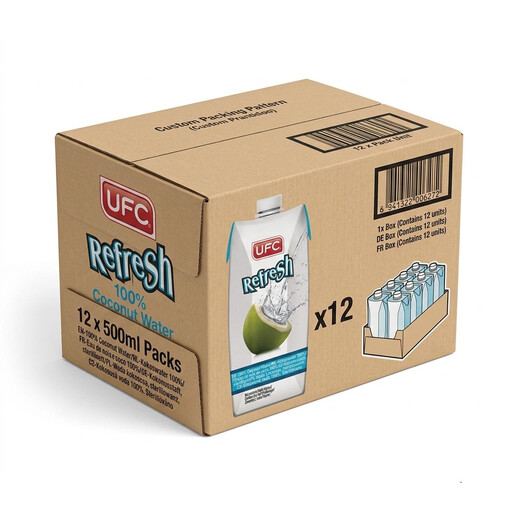
UFC Coconut Water 500ml
Why This Fits Their Persona: An excellent choice for post-workout rehydration. The 500ml size is perfect for a gym bag and delivers a quick dose of natural electrolytes.
Made from 100% coconut water and free from additives. It serves as a pure, natural electrolyte drink without the drawbacks of sugary sports drinks.
High potassium content (211 mg/100ml according to the manufacturer); convenient portion size.
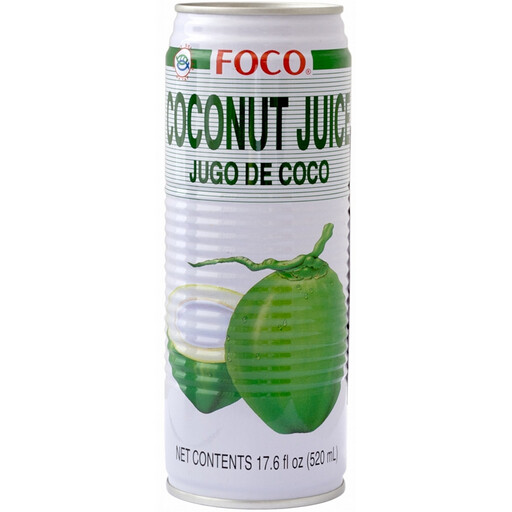
FOCO Coconut Juice 520ml
Why This Fits Their Persona: For those who prefer a sweeter, richer coconut experience with texture. This beverage is less of a pure thirst quencher and more of a tropical treat.
The product is marketed as "Coconut Juice," not pure coconut water. The ingredients list transparently indicates it contains coconut juice (80%), sugar, and coconut pulp.
Contains real coconut pulp for added texture; high juice content for an intense flavour.
Looking for More Options?
We've compiled a complete, up-to-date list of products that fully meet these strict selection criteria.
Frequently Asked Questions (FAQ)
What's the difference between coconut water and coconut milk?
Coconut water is the clear, watery liquid from the inside of young, green coconuts. It is naturally low in fat and calories. Coconut milk, on the other hand, is made from the pressed pulp of mature, brown coconuts. It is creamy, rich in fat and calories, and is primarily used for cooking.
How long does opened coconut water last?
Once opened, coconut water should be stored in the refrigerator. Most manufacturers recommend consuming the product within 24 hours to 3 days to ensure freshness and flavour. Always check the specific instructions on the packaging.
Is coconut water naturally sweet?
Yes, pure coconut water has a natural, subtle sweetness that comes from the coconut's own sugars. The taste can vary depending on the origin and ripeness of the coconuts. An overly sweet taste is often an indicator of added sugar or the use of concentrate.