
Buying Coconut Water: How to Avoid Sugar Traps and Marketing Myths
As your Joybuy Product Recommendation Officer, I see it as my mission to bring clarity to the often confusing world of consumer goods. Coconut water is a prime example. It's marketed as a natural refreshment, yet not every product delivers on its promise. Before you buy your next coconut water, you should know the common pitfalls that can lead to disappointment and unnecessary expense.
Many consumers reach for coconut water assuming they are purchasing a pure, natural product, only to later discover they've paid for sugared water or a low-quality product. The most common problems are:
- The "No Added Sugar" Trap: A product with no added sugar can still have a high sugar content if it's made from concentrate. This process not only causes nutrient loss, but the natural sugar content can also be altered. Some manufacturers also add small amounts of cane sugar that are not immediately obvious.
- Hidden Additives: The label "100% Coconut Water" is not always a guarantee of purity. Antioxidants like ascorbic acid (Vitamin C) or preservatives like sulfites are often added to stabilise colour and shelf life. For purists exclusively looking for pure coconut water, this is a crucial difference.
- Inefficient Pack Sizes: Small, convenient single-servings are practical, but the price per litre is often significantly higher than a 1L coconut water pack or a bulk pack of coconut water. Those who drink coconut water regularly or use it for smoothies often end up overpaying.
What to Actually Look for When Buying Coconut Water
To ensure you get a product that meets your expectations, you should check three core parameters. These will help you objectively assess quality and make an informed decision.
1. The Ingredient List: The Key to Purity
The most reliable indicator of coconut water quality is the ingredient list. Ideally, it should contain only a single item: "Coconut Water" or "100% Coconut Water".
- Pure Coconut Water Without Sugar: Watch out for terms like "cane sugar" or other sweeteners. Products marketed as sugar-free coconut water should only contain the naturally occurring sugar in coconut water.
- Identifying Additives: Look for antioxidants (e.g., ascorbic acid) or preservatives (e.g., sulfites like sodium metabisulfite). These are not inherently bad, but if you want a completely unadulterated product, you should avoid them.
- Concentrate vs. Not from Concentrate: The phrase "from coconut water concentrate" indicates that the water was thickened and later rehydrated with water. Products that are not made from concentrate often offer a more authentic taste experience.
2. Electrolyte Content: The Foundation of an Isotonic Drink
One of the main reasons athletes and health-conscious individuals appreciate coconut water is its natural electrolyte content, particularly potassium. This makes it a natural electrolyte drink.
- Check the Nutrition Facts: A look at the nutritional information reveals the potassium content per 100 ml. Values between 150 mg and 250 mg are typical for high-quality coconut water. This mineral is important for muscle function and rehydration.
- Isotonic Properties: A beverage is considered an isotonic drink when its particle concentration is similar to that of human blood. Coconut water naturally has this property, which promotes rapid fluid absorption by the body.
3. Packaging and Pasteurisation (UHT)
Most commercially available coconut water products are UHT-treated (ultra-high temperature processed). In this process, the drink is heated to a high temperature for a few seconds to kill germs and give it a long shelf life. This allows for storage at room temperature before opening. The packaging—whether a Tetra Pak or a can—protects the product from light and air, which is crucial for preserving quality.
Picks for Every User Profile
To make your decision easier, we have matched some products from our range to different user profiles.
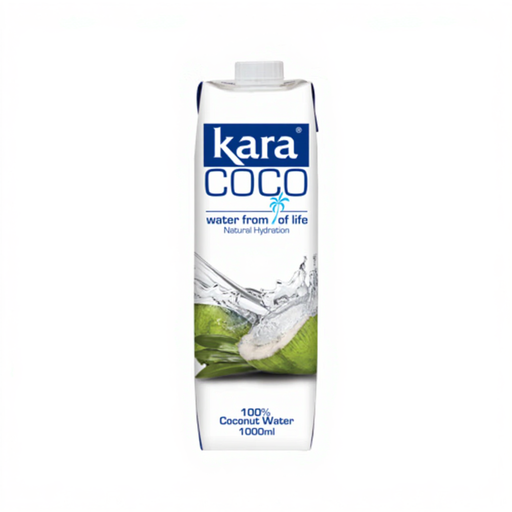
KARA Coconut Water 1000ml
Why This Fits Their Persona: Ideal for anyone trying coconut water for the first time or using it regularly in smoothies and mixed drinks. The 1-litre pack offers excellent value for daily use.
The ingredient list is short and clear: "Coconut Water". It avoids the trap of hidden sugars or unnecessary additives, offering a pure product in a cost-effective size.
Versatile 1L coconut water pack; pure, slightly nutty taste; no declared additives.
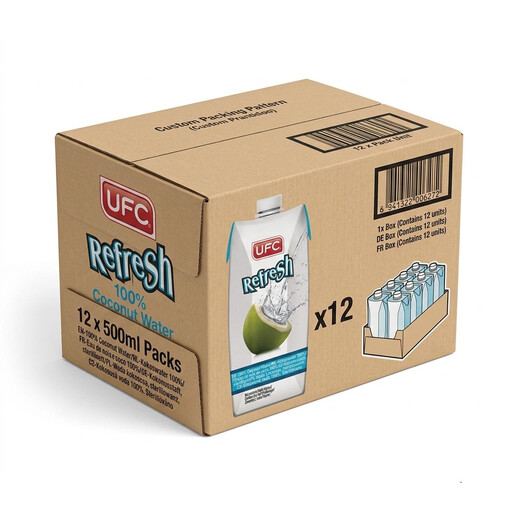
UFC Coconut Water 12*500ml (1 Box)
Why This Fits Their Persona: Perfect for athletes or frequent consumers who value purity and a consistent supply. The 500ml packs are ideal for a gym bag for quick post-workout rehydration.
According to the manufacturer, this product is 100% pure coconut water. It contains no additives, is not from concentrate, and offers full transparency on its high potassium content (211 mg/100ml).
Convenient bulk pack of coconut water; high natural electrolyte content; Halal and Kosher certified.
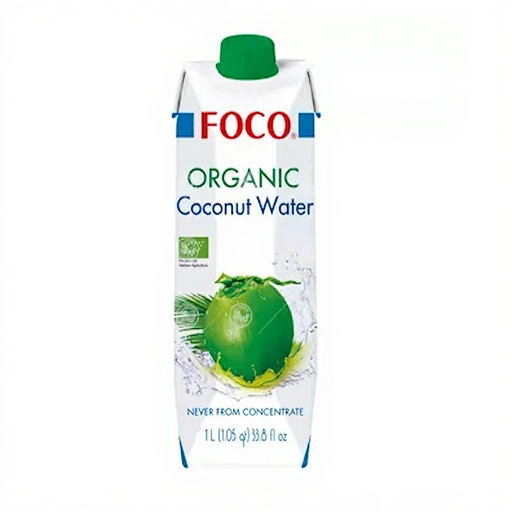
FOCO Organic Coconut Water 1L
Why This Fits Their Persona: For consumers who prioritise organic certification and sustainable farming. This product guarantees that the coconuts were grown without synthetic pesticides or fertilisers.
The organic seal provides an extra layer of assurance beyond just the ingredient list. It ensures the product is not only pure but also produced according to strict ecological standards.
Certified organic coconut water; 100% pure ingredients; no added sugars; ideal for a conscious diet.
Looking for More Options?
We've compiled a complete, up-to-date list of products that fully meet these strict selection criteria.
Frequently Asked Questions (FAQ)
1. How is coconut water different from coconut milk?
Coconut water is the clear, watery liquid from the inside of young, green coconuts. It is naturally low in fat and calories. Coconut milk, on the other hand, is made from the pressed flesh of mature, brown coconuts. It is creamy, rich in fat, and primarily used for cooking.
2. Is coconut water a good isotonic drink for athletes?
Due to its natural composition of electrolytes like potassium and magnesium, as well as a small amount of carbohydrates, coconut water has isotonic properties. This means it can be absorbed quickly by the body and helps to rebalance fluid and mineral levels after exercise. For moderate physical activity, it is a natural alternative to many commercial sports drinks.
3. How long does opened coconut water last in the fridge?
Once opened, coconut water should always be stored in the refrigerator. Most manufacturers recommend consuming the product within 24 hours to 3 days to ensure freshness and taste. Always refer to the specific instructions on the packaging.