
BBQ Seasonings and Sauces: A Guide to Rubs, Marinades and Barbecue Dishes
BBQ seasonings and sauces are designed to add flavour to meat, poultry, vegetables or tofu. The choice ranges from dry grilling seasonings and BBQ rubs to ready-made barbecue sauces and international marinades. However, the name on the packaging alone won’t tell you whether a product suits your grilling style.
Three common pitfalls can lead to disappointing purchases:
- Mistaking sweetness for a strong smoky flavour: A sweet sauce can taste intense because of sugar or syrup, without being particularly smoky.
- Overlooking salt content and how much to use: Some seasoning blends contain a lot of salt. Using too much can quickly overpower a dish.
- Checking for allergens only after buying: Soy sauce, wheat, sesame or celery feature in many international blends, so check the ingredients before use.
Which BBQ seasonings and sauces are right for each use?
It’s worth sorting products by how you plan to cook before you buy:
- BBQ rub: A dry seasoning blend applied directly to the food. It sticks particularly well to lightly oiled meat or vegetables.
- Barbecue sauce: Usually used for basting, dipping or serving on the side. Apply sugary sauces towards the end of grilling, as they can caramelise or burn over high heat.
- Grilling marinade and BBQ marinade: Liquid or paste-like products that are left to soak in before cooking. Follow the recommended marinating time and refrigeration instructions after opening.
- Grilling seasoning: Dry blends work well with meat, poultry and vegetables. A bulk pack may be more economical for catering and food service, but it should be stored in an airtight container.
Three things to check before you buy
1. Ingredients and the balance of salt and sugar
Ingredients are listed in descending order by weight. If sugar, syrup or salt appears near the top of the list, it will have a noticeable effect on the flavour. Robs Spicy BBQ Rub, for example, lists brown sugar and sea salt among its ingredients, with a stated salt content of 11.3 g per 100 g. This suggests a fairly bold seasoning, so it’s best to use it sparingly.
Sugar content is also worth checking in a ready-made sauce. According to the product information, HP Honey Woodsmoke Barbecue Sauce contains honey, tomato purée, vinegar and sugar. It lists 38 g of sugar and 1.8 g of salt per 100 g. You can use it as a sauce, dip or mild marinade. If you’re grilling directly, apply it during the final stage of cooking.
2. Heat, smokiness and flavour profile
Terms such as ‘spicy’, ‘smoky’ and ‘authentic’ aren’t standard quality grades. The ingredients give you a clearer idea of what to expect:
- Smoked paprika adds a smoky, slightly sweet pepper flavour.
- Chipotle, cayenne or Chiltepin offer different levels of heat.
- Cumin is typical of many Mexican and Chinese grilling blends.
- Garlic, ginger, sesame oil or soy sauce often point to East Asian flavours.
According to its product description, Kotányi Smoked Paprika Powder is made from ground, dried peppers. It’s a versatile addition to meat, potatoes, corn or vegetables when you want a smoky flavour without using a ready-made sauce.
3. Allergens, storage and pack size
Check allergens carefully in international BBQ products. DAISHO Yakiniku Ichiban Garlic BBQ Sauce contains soya beans, wheat and sesame. Beksul BBQ Marinade for Pork, from Korea, also lists soya and wheat, and may contain traces of fish, peanuts, milk, celery, mustard and sesame.
Once opened, follow the instructions on the label. Several ready-made sauces need to be refrigerated. Dry grilling seasonings, on the other hand, are usually best stored in a cool, dry place, away from light and in a tightly sealed container. Smaller packs are often easier to manage at home. Food service businesses and caterers may benefit from larger packs if they use them regularly, but should take their actual usage into account.
Our picks for different types of user
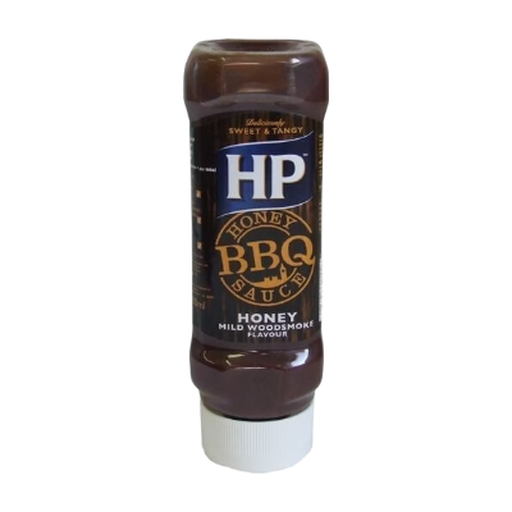
HP Honey Woodsmoke Barbecue Sauce 465g
Why it suits this type of user: This ready-to-use sauce can be served as a dip, used as a marinade or enjoyed with grilled dishes, without adding any other ingredients.
The product information lists specific ingredients and nutritional values. This makes it easier to judge its sweet, smoky character instead of relying on the product name alone.
465 g bottle; according to the product information, it contains no artificial colours or preservatives and is suitable for vegetarians.
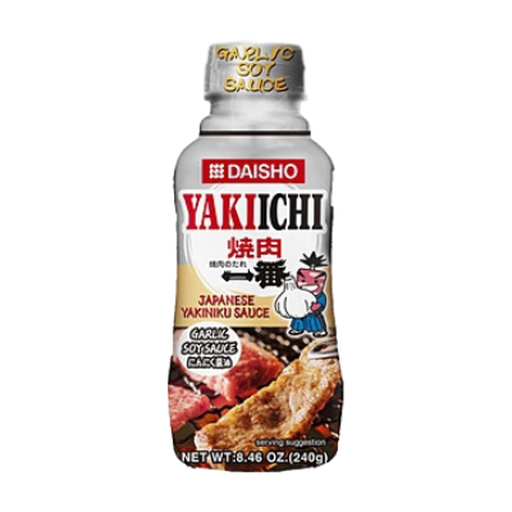
DAISHO Yakiniku Ichiban Garlic BBQ Sauce 240g
Why it suits this type of user: According to the ingredients list, the sauce combines soy sauce, miso, apple, garlic, sesame oil and toasted sesame for a distinctive Japanese Yakiniku flavour.
The ingredients give you a clear idea of the flavour. Allergens such as wheat, soya and sesame are clearly listed.
Can be used as a barbecue sauce, dip or cooking seasoning; according to the product information, refrigerate after opening.
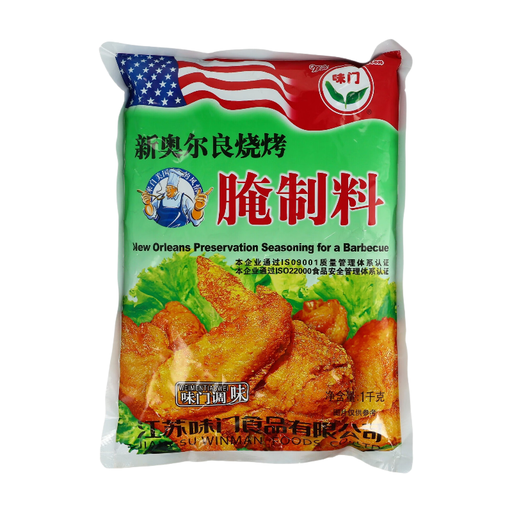
Weimen New Orleans BBQ Seasoning 1kg
Why it suits this type of user: The 1 kg pack is designed for frequent barbecues, food service and catering. It can be used with meat, poultry and vegetables.
The suggested quantities—30–50 g per 500 g of meat or around 20 g per 500 g of vegetables—give you a practical guide.
Dry bulk pack; according to the product information, it’s suitable for marinating, use as a dry rub, grilling, baking and roasting.
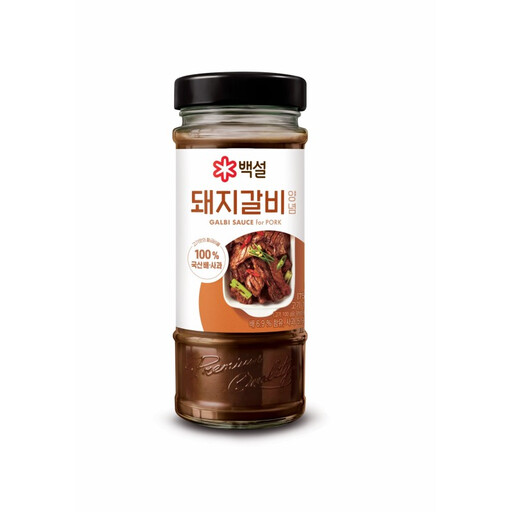
Beksul Korean BBQ Marinade For Grilled Pork 500g
Why it suits this type of user: This ready-to-use Korean BBQ marinade is made for pork and contains soy sauce, pear and apple purée, garlic, onion and ginger, among other ingredients.
The recommended marinating time—at least 30 minutes, or several hours if possible—helps you avoid guesswork over how long to leave it. Soya and wheat are listed as allergens.
500 g bottle; intended for marinating, grilling, frying or use as a cooking and basting sauce.
Looking for more options?
We’ve put together a complete, regularly updated list of products that meet these strict selection criteria and fully comply with the safety regulations in force in the EU.
FAQs about BBQ seasonings and sauces
Which BBQ seasonings work well with vegetables?
Smoked paprika, garlic, onion, pepper and herbs all work well with vegetables. You can mix dry blends with a little oil, then spread them over peppers, courgettes, corn or potatoes. If a product is high in salt, start with a small amount.
How long should you leave meat in a BBQ marinade?
It depends on the product and the type of meat. For the Beksul marinade, the recommended time is at least 30 minutes, preferably several hours. Follow the specific instructions from the manufacturer. Keep food in the fridge during longer marinating times.
What should you bear in mind when storing opened barbecue sauce?
Store ready-made sauces according to the instructions on the label after opening. DAISHO Yakiniku Sauce should be refrigerated and used promptly. Dry grilling seasonings usually keep well when stored in a dry, dark place in an airtight container. Before use, check the best-before date and look for any changes in smell, colour or consistency.