
Buy meat seasoning: how to find the right blend for barbecues, frying and international dishes
Anyone looking to buy meat seasoning will find a wide range online: classic meat seasoning blends, BBQ rubs, steak seasonings, marinades and international spice mixes. However, the differences are not just about flavour. Salt content, ingredients, allergens, pack size and the intended method of preparation all determine whether a product suits your everyday cooking.
Common pitfalls when buying meat seasoning and marinade
1. Larger packs are not automatically better value
A 500-g bottle may seem inexpensive at first glance. However, with a liquid meat marinade, a specific quantity per kilogram of meat is often recommended. For example, the O’Food Korean BBQ Galbi Marinade is intended to be used at 90 g of marinade for 450 g of meat. A larger pack is therefore mainly worthwhile if you marinate regularly and have enough refrigerator space after opening.
With dry blends, the net weight is also important. A 35-g BBQ seasoning may be suitable for occasional barbecues, while a 190-g rub is designed for several barbecue sessions. Always compare the price per 100 g and take actual usage into account.
2. Names such as ‘BBQ’ or ‘all purpose’ reveal little about the flavour profile
A BBQ rub may consist mainly of salt, have a sweet profile due to sugar, or be hot and savoury thanks to chilli and pepper. According to the product description, a general seasoning such as GOYA Adobo is intended for meat, poultry, fish and vegetables. This makes it versatile, but does not tell you whether it will suit a mild steak or a robust barbecue marinade.
So check the ingredients list carefully: if salt, sugar or chilli appear first, they will usually define the character of the blend. According to the product information, ground ancho chilli makes up 50% of the Grill Nation Chile Ancho Meat Rub. This provides clearer guidance than a general marketing claim.
3. Allergens and salt content are easy to overlook
Spice blends may contain soya, wheat, gluten, celery, mustard or sesame, or may carry traces of these ingredients. This also applies to products whose names initially suggest nothing more than pepper, meat or barbecuing. The ingredients and allergen information on the product packaging is decisive.
Salt content also deserves attention. Maggi Seasoning Mix 1 for Roasts & Meat contains 47.4 g of salt per 100 g, while GOYA Adobo with Pepper contains 87.9 g. These figures do not mean that the product is unsuitable. They do, however, indicate that additional salt may not be necessary when seasoning.
Which criteria matter when buying meat seasoning
Dry blend, rub or liquid marinade?
A dry meat seasoning blend is suitable for sprinkling, rubbing in or adding while cooking. It is compact to store and can usually be measured out portion by portion. A rub adheres particularly well if the surface of the meat is lightly coated with oil or the meat is patted dry before seasoning.
A meat marinade is ready to use and combines seasoning with liquid. Korean products often contain soya sauce, garlic, fruit purées and sugar. This combination works well with beef, pork or poultry, but can caramelise more quickly when barbecuing. Keep an eye on the heat and avoid heating the meat at a high temperature for longer than necessary.
Choose ingredients to suit the dish
- Steak seasoning: Pepper, salt, garlic, onion and herbs are often the main flavours. According to the product information, a spice mill such as the Kotányi Steak Pepper Seasoning Mill contains 20% pepper as well as coriander, rosemary and thyme, among other ingredients.
- Seasoning for minced meat: Blends containing onion and savoury spices are practical for meatballs, meatloaf and burgers. According to the product description, Maggi Seasoning Mix 5 is intended for minced meat, meatballs, meatloaf and onion-based dishes.
- Seasoning blend for beef: Bold pepper, chilli, garlic or cumin notes work well with beef, although you should consider the level of heat you prefer.
- Seasoning for pork: Sweet and savoury marinades with garlic, ginger or fruit purée are popular in Korean BBQ. Beksul Korean BBQ Marinade For Grilled Pork contains pear and apple purée, among other ingredients.
- International cuisine: According to the product information, Shan Meat Masala is a Pakistani blend containing coriander, turmeric, cumin, ginger, cardamom and cloves, among other spices. Basak Çiğköfte Harcı is intended for Turkish dishes; according to the product information, it contains chilli, cumin, paprika, garlic and aromatic herbs.
Pay attention to packaging and storage
Dry spices should be stored in a cool, dry place away from direct sunlight. After opening, an airtight container is recommended. For sauces and marinades, the refrigeration instructions after opening are essential. Beksul and Bibigo advise storing their products in the refrigerator after opening.
Our selection by user profile
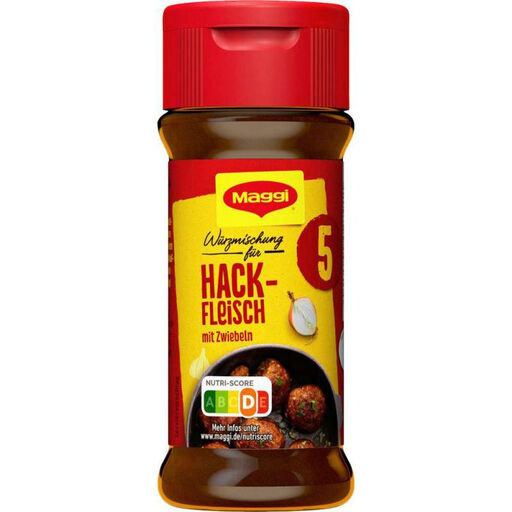
Maggi Seasoning Mix 5 for Minced Meat & Meatballs 75g
Why this product suits the profile: The blend is designed for minced meat dishes, meatballs, meatloaf and burgers, and comes in a resealable shaker container.
Its specific intended use helps prevent you from buying a general barbecue seasoning for minced meat.
75-g pack, convenient portioning and intended use for several minced meat dishes.
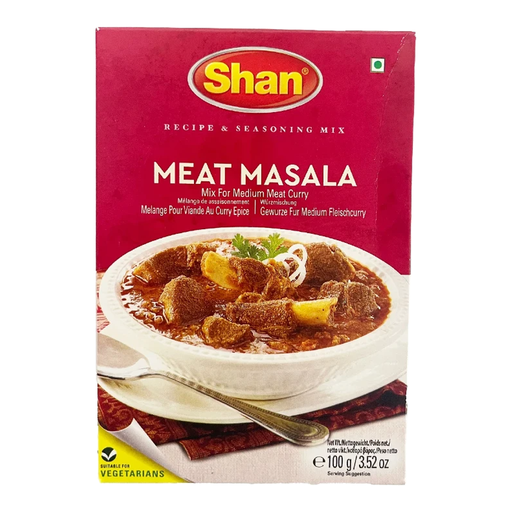
Shan 100g Meat Masala Meat Curry Spice Blend
Why this product suits the profile: According to the product information, this Pakistani spice blend contains a wide range of individual spices and is intended for meat curries and various meat dishes.
The listed ingredients provide more guidance than an unexplained ‘exotic’ flavour description.
100-g sachet, versatile use and, according to the product information, no artificial colourings or preservatives.
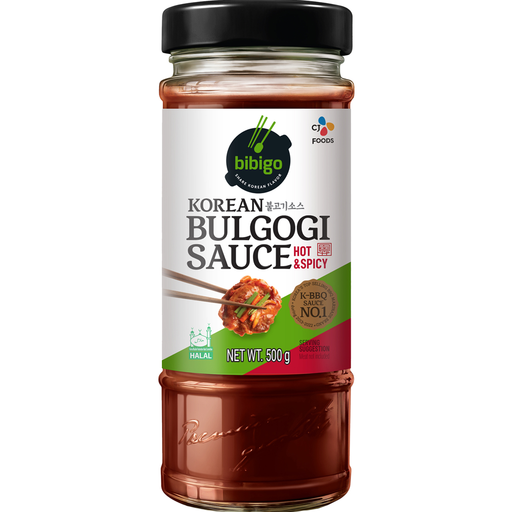
Bibigo Bulgogi Sauce Hot & Spicy 500g
Why this product suits the profile: This ready-to-use Korean BBQ marinade is intended for beef, pork and chicken and, according to the product information, is enough for around 2.2 to 2.5 kg of meat.
The recommended quantity of meat makes usage more predictable than with a marinade that provides no dosage guidance.
500-g bottle, hot and savoury Bulgogi profile, and suitable for marinating, stir-frying in a wok or barbecuing.
Looking for more options?
We have put together a complete, regularly updated list of products that fully meet these strict selection criteria and the safety regulations applicable in the EU.
FAQ about buying meat seasoning
How much meat seasoning should you use?
This depends on the salt content, heat level and type of product. Start with the dosage recommendation on the packaging and use dry blends sparingly at first. With marinades, the ratio of sauce to meat is particularly important. According to the product information, Bibigo Bulgogi Sauce should be used for at least 30 minutes, while marinating for two to three hours gives a more intense flavour.
How long does opened meat seasoning last?
For dry blends, follow the best-before date on the packaging. After opening, they should be stored in an airtight, dry place away from light. Liquid marinades should be refrigerated after opening if this is stated on the label. A changed colour, unusual smell or damaged packaging indicates that the product should no longer be used.
What is better for barbecue meat: a rub or a marinade?
A rub is ideal if you want the surface to remain dry and the seasoning blend to adhere directly to the meat. A marinade is practical when you want the meat to absorb liquid and flavour over a set period. A pepper or salt rub may suit steaks, while a ready-to-use marinade is a good choice for Korean BBQ, pork or thinly sliced beef. The key factors are the ingredients, dosage instructions and intended cooking method.