
Buying BBQ Sauce: Choosing the Right Flavour, Heat Level and Use
A good BBQ sauce should be more than just sweet or smoky. What really matters is whether it caramelises on the grill, works as a dip, can marinate meat, or suits Japanese grilled dishes. If you only look for words like "original", "extra hot" or "smoky", you can easily miss important details on the label.
As a Joybuy Product Recommendation Officer, I filter product information using clear, traceable criteria. This helps you narrow down your choice of barbecue sauce objectively and reduces the risk of a disappointing purchase.
Common Pitfalls When Buying BBQ Sauce
1. Adding sugary sauces to grilled food too early
Many grilling sauces contain sugar, syrup, molasses or honey. These ingredients add sweetness and a glossy finish, but they can darken quickly under direct, intense heat. A BBQ sauce used for marinating shouldn't automatically be used as a glaze throughout the entire grilling time.
A practical tip is to apply sweet sauces only towards the end of the grilling process. For example, with Bull's-Eye Original BBQ Sauce, it is recommended to use it during the last 10 to 15 minutes of grilling. This reduces the risk of the sauce burning from the heat.
2. Confusing heat with flavour depth
"Extra Hot" primarily describes the level of spiciness, not necessarily a complex flavour profile. According to the product information, Kühne Brandstifter Extra Hot Chili BBQ Sauce contains 3.9% chilli. If you are looking for a mild honey BBQ sauce, this variety would give you a very different taste than expected.
With a spicy BBQ sauce, it is worth checking the ingredients list: if chilli, peperoncini or chilli concentrate appear near the top, you can expect a noticeable heat level. For guests with different tolerances for spice, a mild sauce plus a separate chilli sauce can be more practical.
3. Ignoring allergens and storage requirements
Not every sauce is suitable for every household. Japanese Yakiniku sauces often contain soy sauce, wheat or sesame. For instance, DAISHO Yakiniku Ichiban Garlic BBQ Sauce indicates it contains gluten-containing cereals, soya beans and sesame. DAISHO BBQ Sauce Yuzu Flavor also lists wheat and soya beans according to the product information.
After opening, many products need to be refrigerated. Instructions such as "keep refrigerated after opening and consume promptly" should not be overlooked. The specific shelf life depends on the label and packaging.
Key Selection Criteria for BBQ Sauce
Ingredients, sweetness and salt content
A look at the nutritional table shows just how much different products can vary. HP Honey Woodsmoke Barbecue Sauce contains, according to the product information, 38 g of sugar and 1.8 g of salt per 100 g. For DAISHO Yakiichi Black Pepper BBQ Sauce, the figures are 35 g of sugar and 12.1 g of salt per 100 ml.
These values are not a judgement of quality. However, they help you decide whether a sauce is better suited for occasional basting, as a dip, or for seasoning larger quantities. If you want to preserve the natural flavour of the grilled food, you might prefer a less sweet or less salty option.
Purpose: dip, marinade or glaze
A BBQ sauce for dipping can usually be used straight away. For a marinade, however, consistency, acidity and flavour intensity are important. A thick sauce clings well to ribs or burgers, while a thinner Japanese Yakiniku sauce is easier to combine with meat, vegetables or rice.
Look out for specific guidance:
- For dipping: fruity, smoky or classic tomato sauces go well with burgers, chips and grilled vegetables.
- For marinating: acidic ingredients such as vinegar or citrus juice can affect the flavour; the marinating time should suit the food.
- As a glaze: sweet sauces with honey, sugar or molasses are best applied only at the end.
- For stir-fries: Japanese varieties with soy sauce, garlic, miso or sesame oil are often also suitable for seasoning.
Heat, origin and flavour profile
A smoky BBQ sauce is often based on smoke flavouring, spices, molasses or paprika. A classic American sauce is typically tomato-based and sweet-sour. Japanese Yakiniku sauces, on the other hand, often rely on soy sauce, garlic, miso, sesame and fruit components such as apple or yuzu.
The origin can help guide your taste preferences, but it doesn't replace checking the ingredients. Even products with similar names can differ significantly in sugar, salt and heat levels.
Our Selection by User Profile
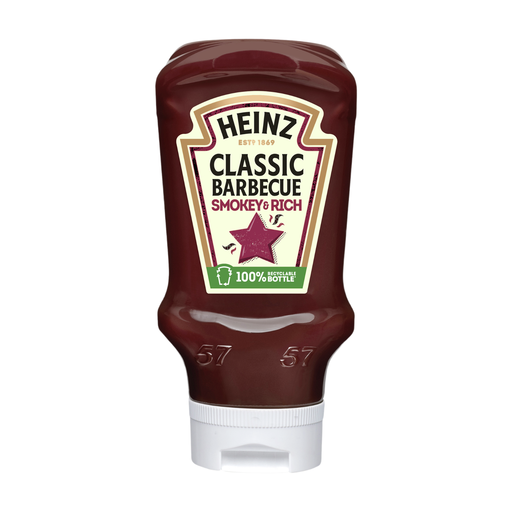
Heinz Classic Barbecue Sauce 400ml
Why this product fits the profile: The classic blend of tomato purée, vinegar, sugar, molasses and spices is ideal for your first barbecues and a variety of everyday uses.
Using it as a sauce or dip is straightforward; the nutritional information states 29 g of sugar and 1.18 g of salt per 100 g.
400 ml content; according to the product information, no declared allergens.
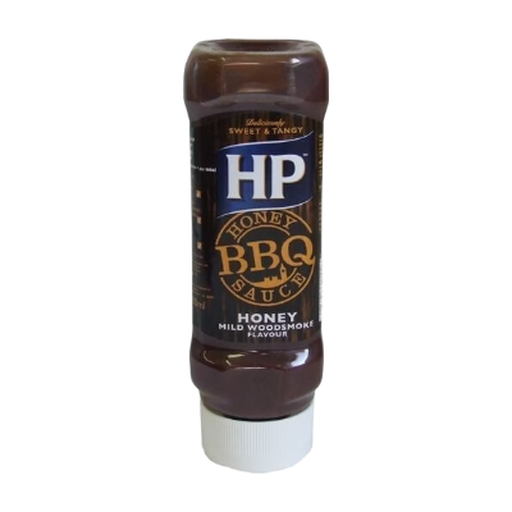
HP Honey Woodsmoke Barbecue Sauce 465g
Why this product fits the profile: Honey sweetness and smoky flavour combine with versatile use as a sauce, dip or mild marinade.
The product description states no artificial colours or preservatives. Due to 38 g of sugar per 100 g, the sauce should be used late in the cooking process under high heat.
465 g content; according to the product information, suitable for vegetarians.
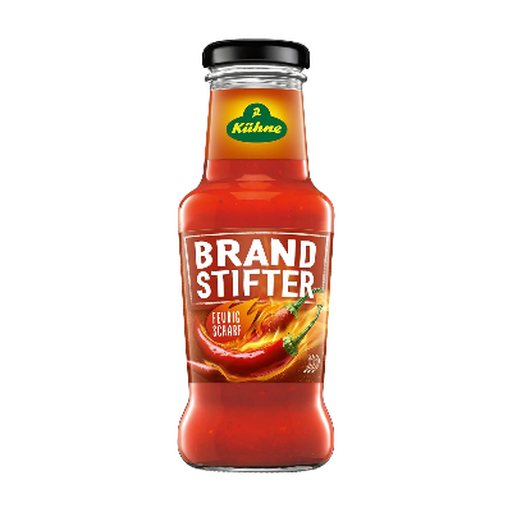
Kühne Brandstifter Extra Hot Chili BBQ Sauce 250ml
Why this product fits the profile: This variety is aimed at households looking for a noticeably spicier grilling sauce for meat and stir-fries.
The name "Extra Hot" makes the heat level clearer than a general "spicy" claim. A small trial portion is still a good idea.
3.9% chilli according to the product information; 250 ml bottle.
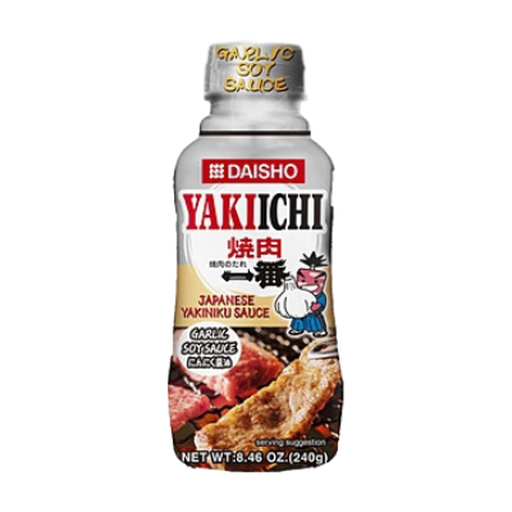
DAISHO Yakiniku Ichiban Garlic BBQ Sauce 240g
Why this product fits the profile: Garlic, soy sauce, miso, apple and sesame oil create a Japanese-inspired profile for Yakiniku, rice dishes and BBQ snacks.
The product information explicitly lists gluten-containing cereals, soya beans and sesame as allergens. This check prevents unsuitable impulse purchases.
Can be used as a BBQ sauce, dip and seasoning sauce; keep refrigerated after opening according to the instructions.
Looking for more options?
We have compiled a complete, regularly updated list of products that fully meet these strict selection criteria and the safety regulations in force in the EU.
FAQ about BBQ Sauce
Which BBQ sauce is suitable for marinating?
Mild, not-too-thick sauces with a tomato base, vinegar or fruit content can be used as a marinade. Very sugary varieties should not be exposed to direct heat from the very start of grilling. For delicate foods, it is also a good idea to set aside a separate portion for dipping later.
How long does BBQ sauce last after opening?
This depends on the specific product. Many sauces need to be refrigerated after opening and consumed within a period stated on the label. For Bull's-Eye Original BBQ Sauce, the product information recommends refrigeration and consumption within three months. The packaging information is always the deciding factor.
Which BBQ sauce goes with grilled meat and vegetables?
A classic or smoky BBQ sauce often pairs well with beef, pork, burgers and potato dishes. A honey BBQ sauce complements mild grilled food and can be used as a glaze. For vegetables, rice or Japanese-style meat, Yakiniku sauces with garlic, soy sauce, miso or yuzu are a good choice. Your selection should be based on the ingredients, heat level and intended use.