
Your Guide to Buying Quality Baozi
By Joybuy Product Recommendation Officer, 28 July 2026
Frozen Chinese steamed buns, also known as baozi, offer a convenient way to enjoy authentic Asian flavours at home. However, buying frozen baozi can lead to disappointment if the product doesn't meet expectations. Many shoppers report issues that mar the experience. This guide will help you recognise the common pitfalls and make an informed choice.
The most common problems when buying frozen baozi are:
- Misleading Filling Ratios: The packaging shows generously filled buns, but the reality is often different. A high dough-to-filling ratio and a sparse filling are a common complaint.
- Disappointing Dough Texture: Instead of a soft, fluffy dough, many end up with a sticky, tough, or dry result after steaming. The quality of the wheat flour and the fermentation process are crucial here.
- Lack of Authentic Flavour: Some products use excessive flavour enhancers or deviate significantly from traditional recipes, leading to an artificial or inauthentic taste experience.
To avoid these problems, it's wise to check a few key parameters before you buy.
What to Look for When Buying Frozen Baozi
An informed choice is based on objective criteria that can be read directly from the product information. Instead of being swayed by marketing promises, you should examine the following three aspects.
1. The Ingredient List and Filling Ratio
The ingredient list is the most honest indicator of a product's quality. Ingredients are listed in descending order by weight. It's normal for wheat flour to be first. However, pay attention to where the main filling ingredients (e.g., pork, chicken, vegetables) appear on the list. A high-quality product will list these ingredients near the top. Some manufacturers specify the percentage of the filling or the main ingredient—a clear sign of transparency.
2. The Dough's Composition
The quality of the dough determines the mouthfeel. A good baozi dough should be soft, elastic, and light after steaming. Look for products that list high-quality wheat flour and yeast as the main components of the dough. Unfilled products, known as Mantou, are a good benchmark for judging a brand's pure dough quality. So, if you buy Mantou and are happy with the texture, it's highly likely that the filled varieties from the same brand will also be impressive.
3. The Variety and Type of Filling
Baozi come in countless varieties. The choice of filling is a matter of personal taste, but the type of filling provides clues about its authenticity.
- Savoury Fillings: Classics like Char Siu Bao (filled with Cantonese barbecue pork) or versions with chicken and mushrooms are widespread.
- Vegetarian Baozi: Look for specific vegetables like shepherd's purse, pak choi, or shiitake mushrooms instead of vague "vegetable mixes." This often indicates a more thoughtful recipe.
- Sweet Fillings:Custard Buns (Nai Wong Bao), red bean paste (Anko), or black sesame are popular desserts or snacks.
Anyone looking to order dim sum online will find that the variety of baozi is a central component for an authentic at-home experience.
Top Occasion Specific Selections
To make the selection easier, we have compiled a few products based on different use cases and objective features.
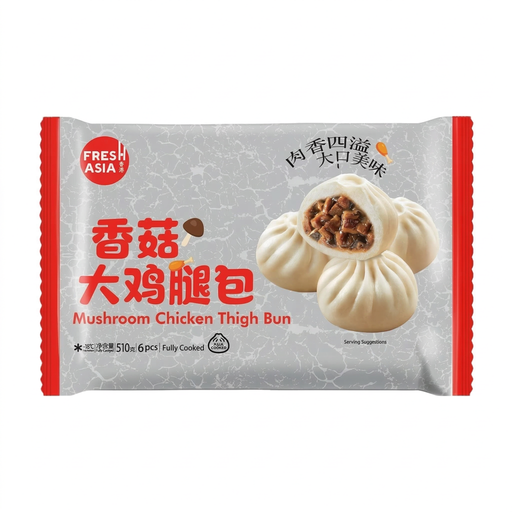
FRESHASIA Shiitake Mushroom Chicken Thigh Bun 510g
Why This Fits Their Persona: Ideal for busy professionals or families seeking a quick yet nutritious and flavourful meal. The combination of chicken and shiitake mushrooms is a time-tested classic that is both satisfying and delicious.
The ingredient list features chicken and shiitake mushrooms prominently, indicating a solid filling ratio and avoiding the "empty bun" pitfall.
Hearty filling of chicken and mushrooms; easy to prepare in a steamer for a quick meal.
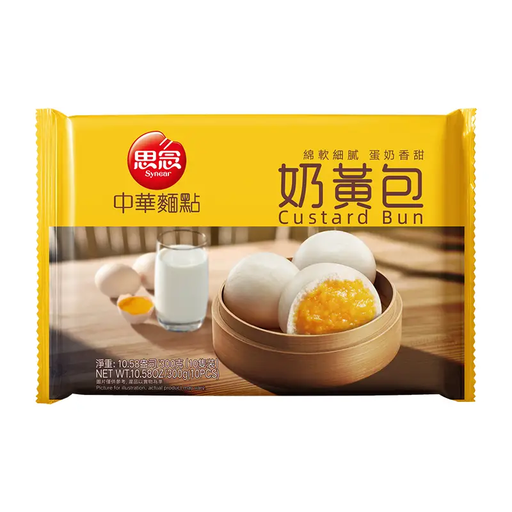
Synear Custard Bun 300g
Why This Fits Their Persona: Perfect for anyone looking for a sweet snack with tea or a light dessert. The creamy custard filling is a Cantonese classic, offering an authentic taste experience.
The Synear brand specialises in traditional Chinese frozen foods. This minimises the risk of a Westernised or overly artificial flavour.
Soft buns with a rich custard cream filling; moderately sweet with a delicate texture.
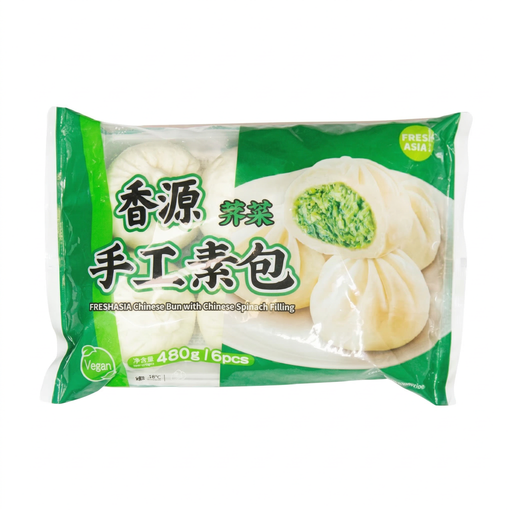
FRESHASIA Shepherd's Purse Bun 480g
Why This Fits Their Persona: An excellent choice for vegetarians and anyone seeking a change from meat-based fillings. Shepherd's purse offers a unique, slightly earthy flavour that is highly prized in traditional Chinese cuisine.
This product uses a specific, traditional ingredient (shepherd's purse) instead of an undefined "vegetable filling." This points to an authentic recipe and a clear flavour profile.
Aromatic vegetarian filling with shepherd's purse, tofu, and mushrooms; a nutritious, meat-free option.
Looking for More Options?
We have compiled a complete, up-to-date list of products that fully meet these strict selection criteria and quality standards.
Frequently Asked Questions (FAQ)
How do you properly prepare frozen baozi?
The recommended method is steaming. Bring water to a boil in a pot or wok. Place the frozen baozi, with some space between them, in a steamer basket (lined with parchment paper or cabbage leaves to prevent sticking). Steam the buns over medium-high heat for about 8–12 minutes, depending on their size and the manufacturer's instructions. They are ready when the dough is soft and heated through. Preparing them in the microwave is not recommended, as the dough often becomes tough.
What is the difference between Baozi, Mantou, and Bao Buns?
Although all three are made from a similar yeast dough, there are clear distinctions:
- Baozi (包子): These are round, closed, and filled steamed buns. The filling can be savoury or sweet.
- Mantou (馒头): These are steamed buns without any filling. They often serve as a side dish, similar to bread.
- Bao Buns (Gua Bao, 割包): These are flat, folded buns that are opened like a pocket after steaming and then filled, often with pork belly, pickled vegetables, and peanuts. They are not steamed in a closed form.
How long do frozen baozi last?
Frozen baozi should be stored at a constant temperature of -18°C or colder. You can find the exact best-before date on the packaging. Once thawed, they should not be refrozen and should be consumed quickly. Opened packages should be stored in an airtight container in the freezer to prevent freezer burn.