
Authentic Chinese Bao Buns: A Complete Buyer's Guide
Bao buns, also known as baozi or mantou, are enjoying a surge in popularity. These soft, steamed dumplings, whether filled with sweet or savory ingredients, are a delicious addition to any meal. However, when buying frozen varieties, disappointment is often just around the corner. Many products fail to live up to the promises on their packaging. As your Joybuy Product Recommendation Officer, I'm here to help you navigate the common pitfalls and make a choice that truly meets your expectations.
The 3 Most Common Disappointments When Buying Bao Buns
Anyone looking to order Asian buns online for the first time faces a vast selection. Unfortunately, a few common flaws often lead to an unsatisfactory experience.
- Dry or Tough Dough: The hallmark of great Bao Buns is a light, fluffy dough. However, many products turn out to be dense, dry, or tough after steaming. This is often due to an unbalanced recipe or the use of unsuitable wheat flour.
- Disappointing Filling: Another common issue is the dough-to-filling ratio. All too often, the filling is meager, or its flavor is bland and inauthentic. With varieties like Custard Buns, in particular, the contents can be more reminiscent of a simple pudding than a rich egg custard.
- Misleading Product Images: The pictures on the packaging show plump, perfectly shaped buns. The reality inside the box can be quite different: small, misshapen lumps of dough that fail to achieve the desired volume even after steaming.
What to Look For Before You Buy: 3 Key Criteria
To avoid these problems, take a close look at the product details before purchasing. Three parameters are particularly telling.
1. The Type of Dough: Mantou, Baozi, or Hirata Buns?
These terms are often used interchangeably, but they refer to different products. Knowing the differences will help you choose wisely.
- Baozi (包子): These are the classic, round, and fully enclosed dumplings that always contain a filling. They can be savory (with meat or as vegetarian bao) or sweet.
- Mantou (馒头): These are unfilled Chinese steamed buns. They serve as a side dish, similar to bread, and have a soft, slightly sweet flavor.
- Hirata Buns (Gua Bao): These are flat, oval, and folded in the middle to be filled like a sandwich. They are the ideal base for your own creations with braised pork belly, crispy chicken, or tofu.
On the ingredients list, look for wheat flour as the main component and a limited number of additives.
2. The Filling: Check the Quality and Variety
The filling is the heart and soul of any baozi. The product description and ingredients list provide clues about its quality.
- Sweet Fillings: Classics include Custard Buns (Nai Huang Bao), Liu Sha Bao (with a molten egg yolk center), or buns with red bean paste. A high-quality filling is characterized by a high proportion of its signature ingredient (e.g., salted duck egg yolk, adzuki beans).
- Savory Fillings: The variety here ranges from pork and chicken to purely vegetarian mixes of mushrooms, bamboo shoots, or pickled vegetables. A good filling has balanced seasoning and a pleasant texture.
If you're specifically looking to buy dim sum, the variety of fillings is a crucial criterion for a diverse experience.
3. Preparation Instructions and Storage
All the products featured here are frozen buns that must be steamed for optimal results.
- Storage: The products must be stored consistently at -18°C or colder to maintain quality. Once thawed, a product should not be refrozen.
- Preparation: Detailed steaming instructions are a sign of quality. The recommended steaming time (usually 8–12 minutes) should be followed to achieve a perfect, fluffy texture. Steaming in a bamboo or metal basket over boiling water is the standard method.
Flavors for Every Preference
To make your decision easier, we've put together a few products for different preferences and use cases.
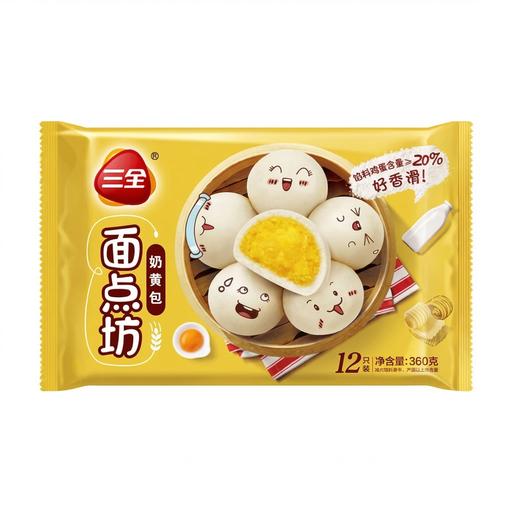
Sanquan Creamy Custard Buns 360g
Why This Fits Their Persona: Ideal for anyone trying bao buns for the first time. The sweet, creamy flavor of the custard filling is very approachable, reminiscent of a warm dessert or a sweet breakfast pastry. The simple preparation makes it an uncomplicated treat.
The product description highlights a "rich, creamy, and sweet" filling, which counteracts the problem of a bland filling. The Sanquan brand specializes in frozen dim sum, suggesting consistent quality.
Classic dim sum flavor; ready in minutes by steaming.
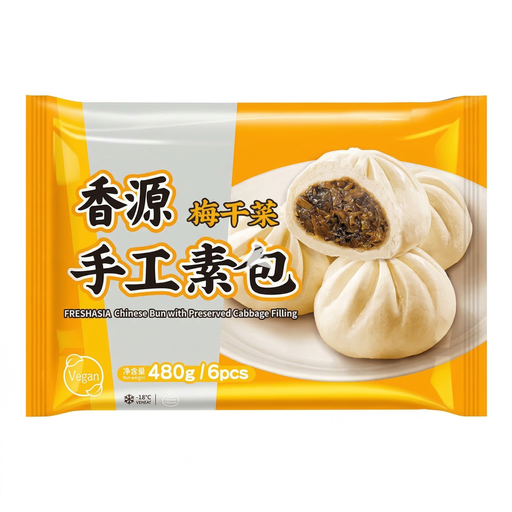
FRESHASIA Chinese Buns with Preserved Cabbage Filling 480g
Why This Fits Their Persona: For connoisseurs who appreciate the traditional flavors of Chinese cuisine. The filling of preserved vegetables, shiitake mushrooms, and wood ear mushrooms offers a complex, savory, and purely vegetarian taste experience that goes far beyond standard fillings.
The filling is described as "traditional" and "savory-aromatic," and it consists of clearly defined, high-quality ingredients. This counters the risk of a meager or bland filling. The Freshasia brand positions itself with a focus on authentic recipes.
Authentic, complex vegetarian filling; generous 480g pack.
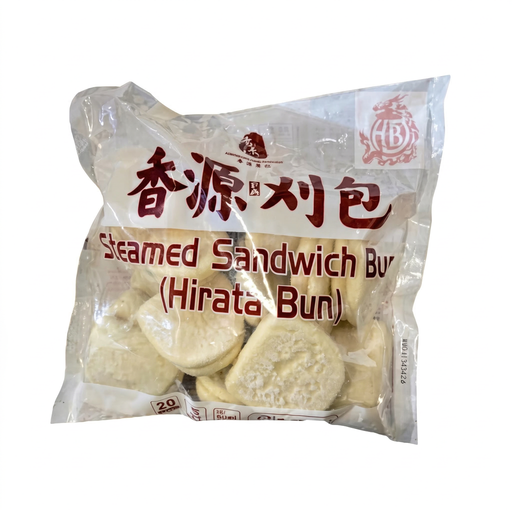
FRESHASIA TW Large Hirata Bun (Big Package) 1.2kg
Why This Fits Their Persona: Perfect for those who want complete control over the filling. These large, folded Hirata buns are the ideal blank canvas for the Taiwanese dish Gua Bao or other creative sandwich ideas. The bulk package is excellent for stocking up or for entertaining guests.
This product completely bypasses the "disappointing filling" trap because it doesn't have one. It focuses on doing one thing well: providing a soft, fluffy dough that serves as a base. This puts the quality of the filling entirely in your hands.
Maximum versatility for your own fillings; 1.2kg bulk pack for a great value supply.
Looking for More Options?
We've compiled a complete, up-to-date list of products that fully meet these strict selection criteria.
Frequently Asked Questions (FAQ)
1. How do you properly steam frozen bao buns? For best results, you'll need a steamer basket (bamboo or metal) for a pot. Line the basket with parchment paper to prevent sticking. Bring water to a boil in the pot and place the frozen buns in the basket, leaving some space between them. Steam with the lid on according to the package instructions (usually 8–12 minutes). There is no need to thaw them beforehand.
2. What is the difference between Bao Buns, Baozi, and Mantou?Baozi (包子) is the general term for filled, round steamed buns. Mantou (馒头) are the unfilled version, eaten as a side dish. The term Bao Buns is often used in the West as a catch-all term, but it frequently refers to Hirata Buns (also called Gua Bao). These are folded and filled like a sandwich, rather than being sealed.
3. Can you cook bao buns in the microwave? While it's possible to prepare them in the microwave, it is not recommended. Steaming heats the dough evenly, giving it its characteristic soft and fluffy texture. In the microwave, there's a risk that the buns will dry out or become tough. If you're in a hurry, wrap the buns in a damp paper towel and heat them for a very short time.