
Buying Fish Balls: A Guide to Choosing the Right Kind
For anyone looking to create authentic Asian dishes like hot pot, noodle soups, or stir-fries, one ingredient is nearly essential: fish balls. However, when you try to buy fish balls, you're often faced with a daunting selection. The packaging often looks similar, and product descriptions can be vague. This often leads to disappointment—the texture is mushy, and the flavour isn't authentic.
This guide will help you avoid the most common pitfalls and find the right products for your culinary projects, whether you're looking for fish balls for hot pot or a quick meal.
What to Look Out For: Common Mistakes When Buying Fish Balls
Many products on the market don't live up to their promise. To avoid disappointment, you should pay attention to two key points that often lead to a bad purchase.
- The Starch Content: A common letdown is a soft, mealy texture. This is often due to a high proportion of starch (like wheat or potato starch) and a low fish content. High-quality Asian fish balls are characterized by a springy, bouncy consistency known in Asian cuisine as the "Q texture." A look at the ingredients list is crucial here: if fish (or surimi) is listed first, that's a good sign.
- Vague Variety Labels: Not all fish balls are created equal. There are significant differences between simple, unfilled balls, Fuzhou fish balls with a savoury filling, or cuttlefish balls with their characteristic bite. Without clear labelling, it's easy to buy the wrong type for your intended dish, which can compromise the authentic taste.
The Decisive Criteria for Your Selection
To ensure you find the right frozen fish balls for your kitchen, you should check two core parameters before making a decision.
Parameter 1: Fish Content and Texture
The quality of fish balls is directly linked to the fish content and how they are processed.
- Check the ingredients list: The main component should be fish meat (often declared as surimi). Products that list starch or water first tend to have a less satisfying texture.
- Protein content: A higher protein content (typically over 9g per 100g) also indicates a higher percentage of fish.
- Recipe origin: Brands that specialize in traditional recipes (e.g., from Singapore, Fuzhou, or Taiwan) often place special emphasis on the authentic, springy texture.
Parameter 2: Variety and Intended Use
The variety largely determines the flavour and the ideal preparation method. Most products are sold as frozen fish balls and should be cooked directly from frozen to preserve their texture.
- Classic Fish Balls: These are unfilled and versatile. They are excellent for noodle soups, stir-fries, and as a basic hot pot ingredient.
- Filled Fish Balls: The most famous variety is Fuzhou fish balls, which are traditionally filled with a seasoned pork mixture. They are a delicacy in hot pot or served in a clear broth.
- Cuttlefish Balls: Made from cuttlefish meat, they have a firmer, chewier texture and a more pronounced seafood flavour.
- Variations: You can also find fried fish balls (ideal as a snack), those with vegetables, or varieties with flavours like lobster, which offer more diversity.
Our Top Picks for Different Use Cases
Here are some recommendations tailored to different needs and preferences.
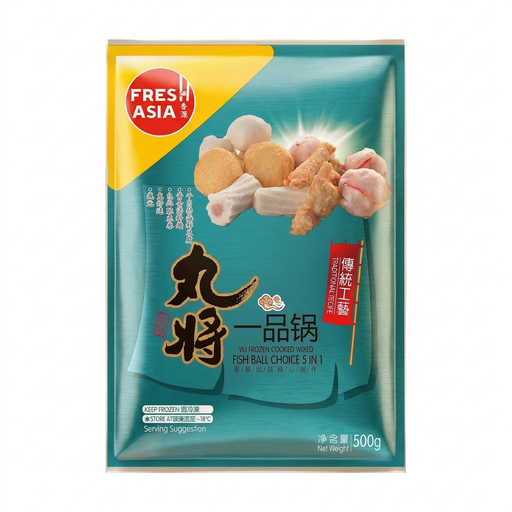
FRESHASIA WJ Mixed Fish Ball Choice 5 in 1 500g/pack
Why it's a great fit: Perfect for social hot pot gatherings. This mix offers different flavours and textures in one pack, ensuring every guest finds something to their liking and keeping the meal exciting.
Sidesteps the monotony of a single variety. The 5-in-1 mix provides a diverse experience and prevents you from having to commit to just one type that might not be suitable.
Offers a convenient solution for a varied hot pot meal without needing to buy multiple separate packs. Includes a mix of fish, cuttlefish, and crab flavours.
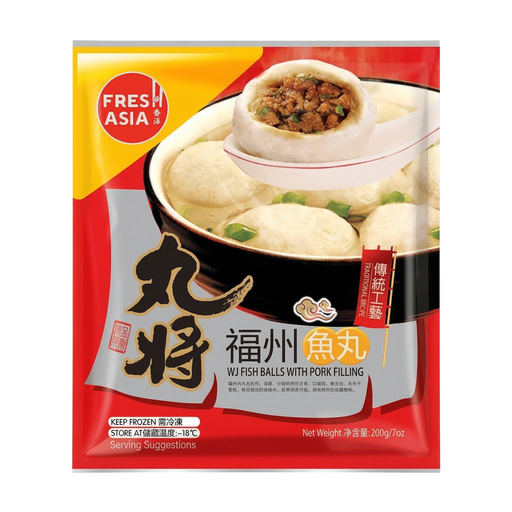
FRESHASIA Wan Jiang Fish Balls with Pork Filling 200g Fuzhou
Why it's a great fit: For those seeking the distinctive taste of Fuzhou fish balls. The combination of a springy fish paste casing and a savoury pork filling is perfect for an authentic soup.
The clear labelling as "Fuzhou" and "with Pork Filling" prevents accidentally buying unfilled balls. You get exactly the product needed for traditional recipes.
Authentic, seasoned pork filling inside a delicate fish paste casing. Delivers a traditional taste experience that is hard to find.
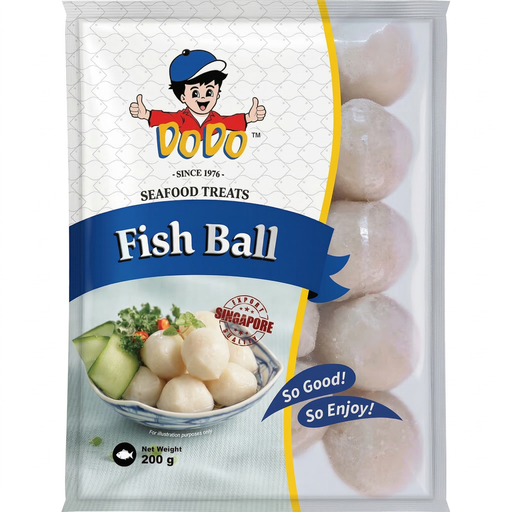
DoDo Fish Balls 200g
Why it's a great fit: A versatile classic for quick meals. These simple yet high-quality Chinese fish balls are suitable for soups, stir-fries, or as a side dish, reliably delivering a good texture and mild flavour.
The Dodo brand is known for its focus on high-quality seafood products. The high fish content ensures the desired springy "Q texture" and avoids the disappointment of mealy, mushy balls.
Made from fresh fish meat, resulting in an authentic taste and a bouncy texture. Versatile and quick to prepare.
Looking for More Options?
We have compiled a complete, up-to-date list of products that fully meet these strict selection criteria and all relevant regulations.
Frequently Asked Questions (FAQ)
1. How do you cook frozen fish balls correctly?
Most frozen fish balls should not be thawed. Add them directly to boiling broth or soup and cook for 3–5 minutes, or until they float to the surface and are heated through. For stir-fries, you can pan-fry them with a little oil for 5–7 minutes until cooked. Always follow the preparation instructions on the package.
2. How can I identify high-quality Asian fish balls?
A reliable indicator is the ingredients list: fish meat or surimi should be the first ingredient. A protein content of over 9g per 100g is also a good sign. Products from established brands specializing in Asian cuisine often offer a more authentic, springy texture.
3. Are all fish balls suitable for hot pot?
Generally, yes, most varieties can be used in hot pot. Classic, unfilled balls and filled fish balls (like the Fuzhou style) are particularly popular hot pot ingredients because they absorb the broth well and hold their shape. Fried versions can also be used, but they may slightly alter the flavour of the broth. Ultimately, it's a matter of personal preference.