
Asian Fish Balls 2026: Compare Varieties, Avoid Misbuys and Choose the Right Option
Asian fish balls are a convenient ingredient for hot pot, soups, noodles, stir-fries and snacks. However, products can differ considerably in terms of fish content, filling, preparation method, storage requirements and allergens. Anyone who shops based solely on the image, pack size or the term “seafood” may end up with an undesired texture or a product that does not suit the planned dish.
This Joybuy Product Recommendation Officer buying guide explains what German households should look for when purchasing Asian fish balls in 2026 and which varieties are best suited to different uses.
Common Misbuys When Purchasing Asian Fish Balls
1. Fish balls, fish cakes and fish tofu are confused
“Fish balls” is a collective term for several types of products. Classic fish balls are generally made from fish paste or surimi and have an elastic, compact texture. Korean fish cakes, also known as odeng or eomuk, are typically flat, elongated or served on skewers. Japanese chikuwa is tube-shaped and is often used in soups or stews.
Fish tofu also contains tofu or soy ingredients and typically has a softer yet springy texture. These differences matter in a hot pot: fish balls retain their compact shape, fish cakes absorb broth well, and fish tofu is suitable for dishes where a softer texture is preferred.
2. Pack size says little about the actual fish content
A 200 g pack can contain very different formulations depending on the recipe. For products containing surimi, check the ingredients list carefully. Fish may be combined with water, starch, egg white, oil or vegetables. This is not necessarily a quality issue, but it does affect texture, flavour, nutritional values and satiety.
Filled varieties also deserve closer attention. Fuzhou fish balls often contain a pork filling. Anyone expecting fish only or following a specific dietary pattern should check the filling before purchasing.
3. Storage and preparation instructions are overlooked
Frozen fish balls should generally be stored in the freezer at −18°C or colder. Many products must not be refrozen after thawing. In addition, “pre-cooked” or “ready to cook” does not automatically mean “ready to eat.”
For products containing fish, egg, wheat, soy, sesame or seafood, allergen labelling is also essential. Always refer to the information on the current packaging.
Key Buying Parameters at a Glance
Fish Content and Formulation
Start by comparing the ingredients list and, where provided, the percentage of fish. DoDo Fish Ball Seafood, for example, contains 47% surimi and 11% squid, along with vegetables. This makes it distinct from a classic fish ball without visible inclusions.
DoDo Vegetable Fish Balls list 50% fish, with vegetables and wheat flour completing the recipe. This variety may be appealing for stir-fries or as a side dish when a mixed texture is desired.
Shape, Filling and Intended Use
- Fish balls for hot pot: compact balls or assortments that can be cooked directly in broth.
- Fish balls for soup: varieties with a short cooking time and a neutral or lightly seasoned recipe.
- Korean odeng: pre-cooked, fried fish cake, often served on a wooden skewer.
- Japanese chikuwa: tube-shaped fish cake, ideal for soups and stews.
- Fish balls with pork filling: Fuzhou varieties with a savoury filling inside.
- Seafood hot pot mix: assorted packs containing fish paste, tofu, vegetables or other seafood.
Nutritional Values and Allergens
For the products reviewed, stated salt levels range from 0.5 g to 2.7 g of salt per 100 g. Anyone monitoring the salt content of a meal should compare the nutrition tables and season the broth accordingly.
Typical allergens include fish, wheat or gluten, egg, soy, sesame, celery and molluscs. DoDo Fish Ball Seafood contains, among other ingredients, fish, squid, egg, celery, sesame, soy and wheat. FRESHASIA Wan Jiang Fish Balls contain fish, wheat, soy and sesame, as well as a pork filling.
Recommendations by Shopping Profile
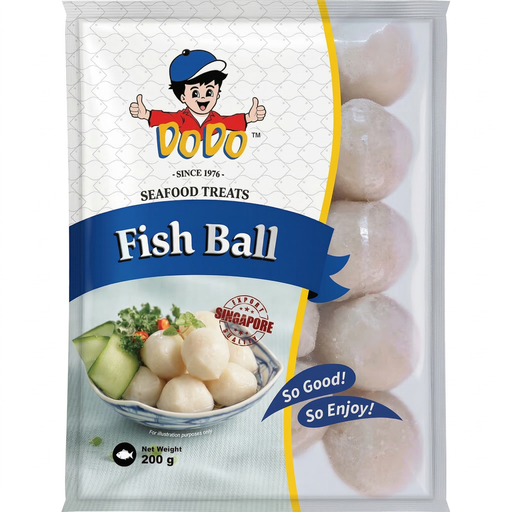
DoDo Fish Balls 200 g
Why This Fits Their Persona: The 200 g pack is well suited to first-time hot pot experiments, soups or quick stir-fries in smaller households.
The ingredients list clearly identifies fish, wheat, egg and soy. Storage at −18°C and thorough cooking are expressly stated.
According to the product information, it provides 11 g of protein and 1.5 g of fat per 100 g; versatile for hot pot, oden, soups and stir-fries.
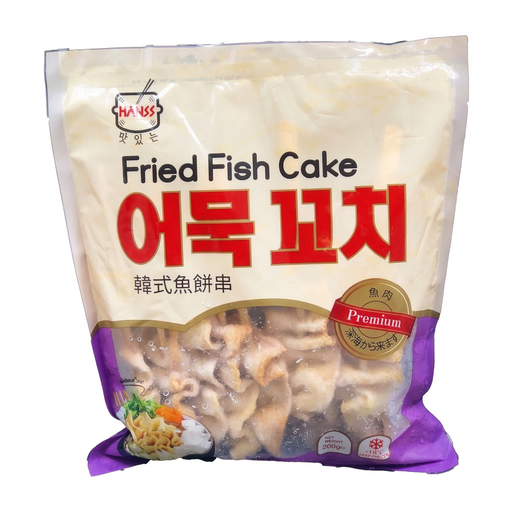
HANSS Korean Fried Fish Cake with Skewer 200 g
Why This Fits Their Persona: Korean odeng on a skewer is ideal for quick snacks, side dishes and small portions without any additional shaping.
The product description indicates that it is pre-cooked and frozen. Thorough heating is nevertheless required before consumption.
Can be prepared in the oven, air fryer or frying pan; according to the product information, it provides 9 g of protein per 100 g.
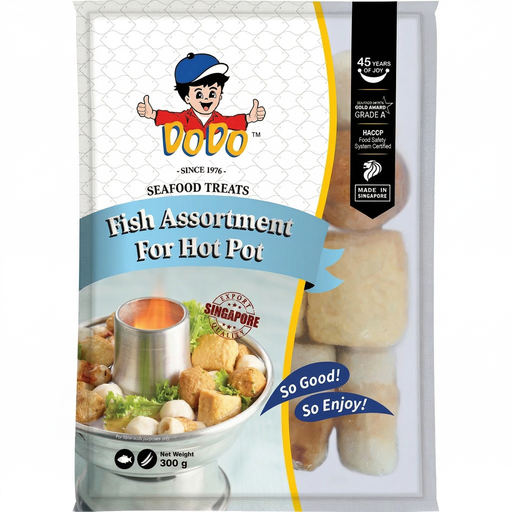
DoDo Hot Pot Mix 300 g Assorted Seafood
Why This Fits Their Persona: The assorted pack is designed for families and groups who want to combine several seafood textures in a single broth.
The mix is not limited to fish balls. The labelling also lists tofu, vegetables and possible shellfish, which is important for anyone with allergies.
300 g pack; add directly to boiling broth while frozen and heat thoroughly for 3–5 minutes according to the product instructions.
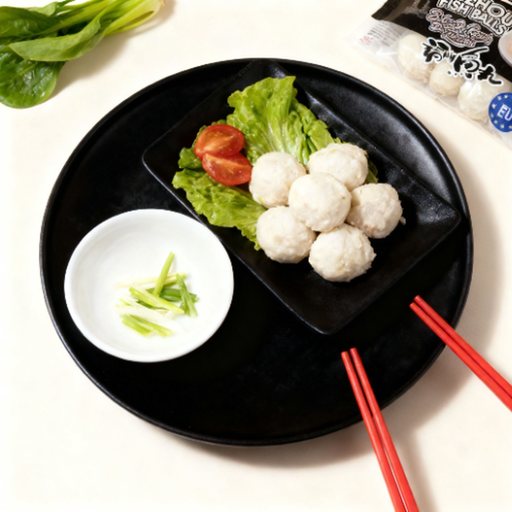
Authentic Fuzhou Fishballs 400 g
Why This Fits Their Persona: These Fuzhou fish balls with pork filling are intended for soups, noodles and hot pot when a filled variety is preferred.
The pork filling, along with fish, wheat, soy and sesame, is listed in the ingredients and allergen information.
400 g pack; according to the preparation instructions, heat from frozen for 4–5 minutes in soup or water.
More Suitable Varieties
For a softer texture, consider FRESHASIA Frozen Cooked Tofu Fish 200 g. According to the product information, it contains 60% fish tofu and can be added to soups, hot pot or stir-fries while frozen. Another option is DoDo Tofu Fish Cake 200 g, which is described as having a savoury recipe and contains soy.
Anyone specifically looking for Japanese products can use DoDo Mini Chikuwa 200 g in soups and stews. The pack information lists 70% fish paste and identifies fish, soy, wheat and egg as allergens. Check the specific packaging for storage requirements, as this variety is not listed as frozen in the product data.
For larger gatherings, Meng Fu Fuzhou Fish Balls 440 g are a practical choice. In addition to fish and pork, the recipe contains squid, oyster extract, egg, soy, sesame and wheat. Checking the ingredients list is therefore particularly important.
Explore More Options
The full selection of fish fritters and related Asian fish products makes it easy to compare varieties, pack sizes and intended uses.
Preparation and Storage
- Store frozen products at −18°C or colder until use.
- Depending on the pack instructions, add them directly to boiling broth while frozen or thaw them first.
- Follow the stated cooking time; the centre should be thoroughly hot.
- Do not refreeze thawed products.
- Store opened, non-frozen products in the refrigerator and consume them within the stated period.
- Take particular care with fish-bone warnings, allergens and thorough heating when serving children or people with heightened sensitivities.
FAQ About Asian Fish Balls
How long do fish balls need to cook in a hot pot?
Many products take approximately 3–5 minutes when added directly from the freezer to boiling broth. The exact time depends on the size, filling and product instructions. Filled Fuzhou fish balls should be heated until the centre is thoroughly hot.
Are Korean fish cakes the same as fish balls?
No. Korean fish cakes, or odeng, are also often made from fish paste, but are usually sold flat, elongated or on skewers. Fish balls are rounder and more compact. Both varieties can be suitable for soups and hot pot, but they differ in shape and texture.
How long do frozen fish balls keep?
The best-before date on the packaging is decisive. When stored continuously at −18°C, the products are intended to remain suitable until that date. Once thawed, they should not be refrozen and should be prepared promptly according to the pack instructions.