What should you look for when buying?
When comparing a protein bar for exercise or when you’re out and about, start with the carbohydrates per portion and the ingredients, then check the protein content. A low sugar figure doesn’t mean you can overlook the total carbohydrates.
| What to check |
What to look for |
Who is it important for? |
| Carbohydrates per bar |
Check the carbohydrates per portion. If the pack only gives values per 100 g, take the bar’s weight into account. |
If I plan my carbohydrate intake as part of my personal diabetes treatment, I need to know the amount in the portion I’ll actually eat. This is the main reason for buying for around 36% of consumers. |
| Protein per portion |
Compare the grams of protein per bar and the bar’s weight, not just the advertised protein percentage. |
For a snack around my workout, I want to know how much protein is in one portion without assuming I need an extra supplement. Around 29% of consumers prioritise comparing protein content. |
| Ingredients and allergens |
Read the ingredients list, allergen information and any details about sugar alcohols for the specific variety. |
If I need to avoid certain ingredients or consider how well I tolerate them, the label determines which varieties I’d consider in the first place. This is a priority for around 21% of consumers. |
| How it fits into everyday life |
Compare the portion size and full nutritional information with how you plan to eat it. |
When I’m out and about, I only want to include a bar in my plan if the portion fits with my other meals and needs. This everyday practicality is the main consideration for around 14% of consumers. |
Protein bars on Joybuy
These protein bars may be an option as portioned snacks when you’re out and about or around your workout. To choose, compare the carbohydrates per bar, the protein content and the ingredients. None of these figures alone confirms that a bar is suitable for you if you have diabetes.
 No image available
Power System Low Carb Cookies & Cream Protein Bar, 40 g
A single bar for a snack around your workout; its portion size makes it easier to compare with your personal plan.
Based on 29 g of carbohydrates per 100 g and a bar weight of 40 g, that works out to 11.6 g of carbohydrates per bar. The stated protein content of 45% works out to 18 g of protein per bar.
Maltitol and sucralose are listed; the bar contains milk and soya. Check the allergen and consumption information on the pack.
View on Joybuy
 No image available
Barebells Protein Bar Cookies & Cream, 12 × 55 g
A multipack of individually portioned protein bars for an occasional snack, including around your workout.
Each 55 g bar contains 20 g of protein and 17 g of carbohydrates. For your personal carbohydrate plan, count the number of bars you actually eat.
The bar contains milk and soya, as well as maltitol. Also check the information about possible traces of peanuts, nuts and cereals containing gluten.
View on Joybuy
 No image available
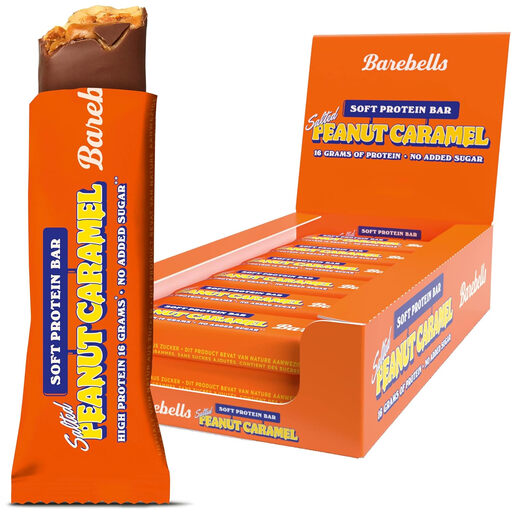
Barebells Soft Protein Bar Salted Peanut Caramel, 12 × 55 g
A soft, individually portioned protein bar for a snack when you’re out and about or after a workout.
Each 55 g bar contains 16 g of protein and 16 g of carbohydrates. Consider the carbohydrate figure as part of your personal plan, independently of the protein content.
Contains peanuts, milk and soya. Maltitol and xylitol are also listed; note the warning that excessive consumption may have a laxative effect.
View on Joybuy
 No image available
Corny Protein Crunchy Vanilla & White Choc, 12 × 45 g
A multipack of portioned protein bars for a snack when you’re out and about or after a workout.
At 41 g of carbohydrates per 100 g, a 45 g bar works out to around 18.5 g of carbohydrates per bar. The stated protein content of 30% works out to 13.5 g of protein per bar.
The ingredients include maltitol and sucralose. Milk, soya, hazelnuts and wheat are among the listed allergens; check the full information on the pack.
View on Joybuy
 No image available
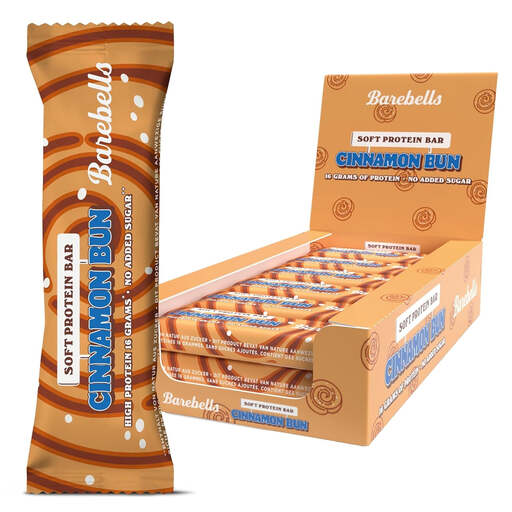
Barebells Soft Protein Bar Cinnamon Bun, 12 × 55 g
A multipack of soft protein bars for individually portioned snacks when you’re out and about or around your workout.
Each 55 g bar contains 19.3 g of carbohydrates. For the protein comparison, check the information on the pack: the product highlight and nutritional table give different amounts per bar, 17 g and 16.0 g respectively.
Maltitol, maltitol syrup, erythritol, xylitol and sucralose are listed. Check the full allergen information and consumption advice.
View on Joybuy
Frequently asked questions
Are protein bars generally suitable for people with diabetes?
No, you can’t assume that a product is suitable simply because it belongs to this category. Check the carbohydrates and portion size of the specific bar, and factor them into your personal treatment plan. diabetesDE – German Diabetes Aid highlights the importance of carbohydrate counting, particularly for people who use insulin.
Is the ‘no added sugar’ claim enough to help me choose?
No, this claim doesn’t tell you the total carbohydrates in a protein bar. Check the carbohydrates in the portion you’ll eat and read the ingredients list as well as the sugar figure.
What should I look out for in sugar alcohols such as maltitol?
Check the ingredients list and consumption advice for the specific variety. According to the Federal Institute for Risk Assessment, consuming too many sugar alcohols may have a laxative effect.
Do I need a protein bar for exercise or recovery?
A protein bar isn’t essential. The consumer advice centre points out that you can also get the protein you need from everyday foods that are rich in protein. A bar can simply be a handy snack option if its nutritional information suits your needs.
Are the allergens the same across all protein bars from one brand?
No, always check the label for the specific variety and pack. For example, dm lists milk and soya, as well as possible traces of other allergens, for the Sportness Protein Bar 50% Crispy Stracciatella. Don’t assume the same information applies to other bars.
