
Herring Fillets in Tomato Cream Buyer's Guide
Herring fillets in tomato cream are a pantry staple for many, offering a quick, nutritious, and convenient meal. However, not every can of fish delivers on its promise. Between watery sauces and vague quality claims, it's easy to make a subpar choice. This guide will help you recognise the essential quality markers and make an informed decision.
What to Watch Out For: 3 Common Pitfalls When Buying
Before you grab a can, you should be aware of the typical issues that can spoil the experience.
- The "Cream" Trap: The term "tomato cream" suggests a thick, rich sauce. In practice, it's often a thin tomato sauce that has been thickened primarily with starch or other agents. The result is a disappointing texture and a less intense flavour.
- Vague Fish Content and Origin: The proportion of fish fillets can vary significantly. Products with low fish content offer less value for money. Furthermore, some products lack transparent labelling about the fish's origin, raising questions about sustainability.
- Hidden Sugar and Additives: Many sauces contain a surprisingly high amount of sugar, which overpowers the delicate fish flavour. A long list of ingredients with numerous thickeners and flavour enhancers can also be a sign of a lower-quality recipe.
The Decisive Parameters for Your Selection
To avoid these pitfalls, focus on three objective criteria that you can check directly on the label.
1. Fish Content and Fillet Quality
A crucial quality indicator is the fish content, which is stated as a percentage in the ingredients list. A value of 60% is considered a solid benchmark. A higher percentage means more fish per can. Also, pay attention to the description of the fillets. They should be tender yet firm in texture and not fall apart when removed from the can. Brands like Appel Heringsfilets or Hawesta Heringsfilets have built a reputation for consistent quality over the years.
2. Sauce Composition
The quality of canned fish in tomato sauce depends significantly on its recipe. A high-quality tomato cream is based on a high proportion of tomato paste. Rapeseed oil is often used as a fat source and contributes to a smooth texture. Check whether cream or milk protein is used for creaminess, or if it's primarily modified starch and thickeners like guar gum. A look at the nutritional information also reveals the sugar content—lower values are generally preferable.
3. Sustainability Seal: The MSC Herring
For eco-conscious consumers, the MSC seal (Marine Stewardship Council) is a key indicator. This blue logo on the can of herring fillets signals that the fish comes from a certified, sustainable fishery. These fisheries are committed to maintaining fish stocks for the future and minimising their impact on the marine ecosystem. Choosing an MSC Herring is an active contribution to protecting our oceans.
Guides for Varied Preferences
Based on these criteria, we have selected a few products for different needs and preferences.
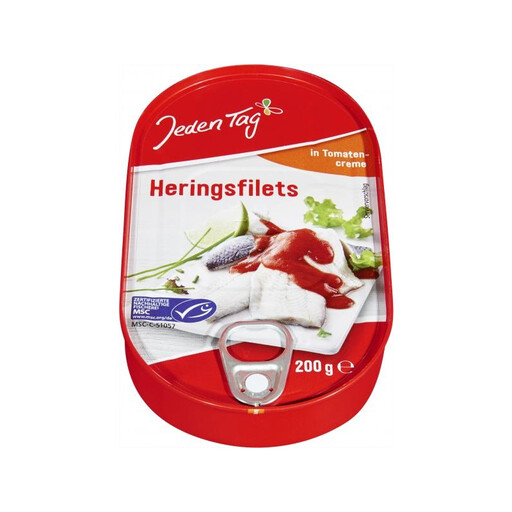
Jeden Tag MSC Herring Fillets in Tomato Cream 200g
Why This Fits Their Persona: Ideal for those looking to build a solid pantry stock for quick meals without breaking the budget. Offers excellent value for money for everyday use.
Despite the budget-friendly price, the origin is made transparent by the MSC seal. The 60% fish content is solid and clearly declared.
MSC-certified sustainability at a very accessible price point. A reliable option for buying in bulk.
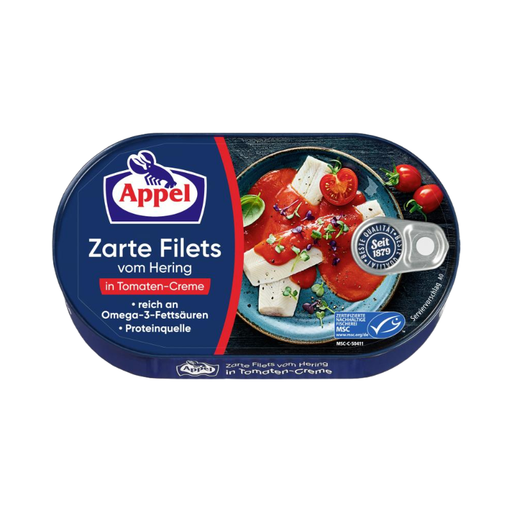
Appel MSC Herring Fillets in Tomato Cream Sauce 200g
Why This Fits Their Persona: For consumers who trust an established brand with a long tradition and a recipe known for being balanced and creamy.
Appel's recipe is known for its creamy consistency, avoiding the trap of a watery sauce. The fillets are typically firm and of high quality.
Proven brand quality with a balanced, creamy sauce and firm herring fillets. MSC-certified.
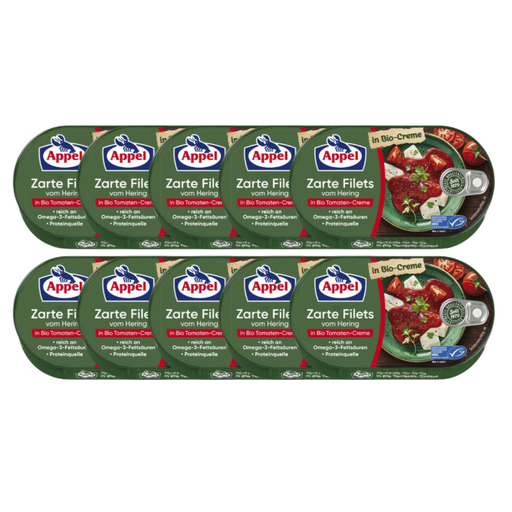
Appel MSC Tender Herring Fillets in Organic Tomato Cream 10x200g
Why This Fits Their Persona: Perfect for households that regularly use canned fish and prioritise organic ingredients and sustainable fishing.
By using organic ingredients (DE-?KO-001), the risk of unwanted additives and high sugar content is minimised.
Combines MSC-certified herring with organic ingredients. The 10-pack is practical and economical.
Looking for More Options?
We have compiled a complete, up-to-date list of products that fully meet these strict selection criteria.
Frequently Asked Questions (FAQ)
1. How long do herring fillets in tomato cream last? An unopened can of herring fillets will typically last for several years when stored in a cool, dry place. The exact best-before date can be found on the packaging. Once opened, any leftovers should be transferred to a non-metallic container, stored in the refrigerator, and consumed within one to two days.
2. Can you eat herring fillets in tomato cream warm? Yes, herring fillets in tomato cream can also be enjoyed warm. They are a classic accompaniment to fried or boiled potatoes. To heat, gently warm the contents of the can in a pot over low heat. Avoid boiling, as this can cause the fillets to fall apart. This is one of the simplest herring recipes.
3. What does the MSC seal on the herring can mean? The blue MSC (Marine Stewardship Council) seal is an internationally recognised eco-label for fish and seafood from sustainable wild-capture fisheries. It guarantees that the fish comes from a fishery that responsibly manages fish stocks and the marine ecosystem, and whose management processes are subject to strict criteria.