
Appel Herring Fillets Buyer’s Guide: Find the Right Variety for You
Appel herring fillets are a staple in many household pantries. Whether as a quick snack straight from the tin, the base for a simple dinner, or a protein-packed meal on the go, the selection is vast. However, the wide variety of sauces and preparations can make choosing difficult. Not all canned fish live up to their packaging's promise. Before you buy, it's helpful to know the most common quality differences and marketing traps to make an informed choice.
This guide will help you identify the key characteristics of high-quality herring fillets and find the variety that best suits your needs.
What to Look for When Buying Canned Herring: 3 Common Pitfalls
Navigating the supermarket aisle can be confusing. Appealing labels and tempting descriptions often meet a reality that is only revealed after opening the tin. Here are three things to check to avoid disappointment.
- The "Fish Content" Trick: A large tin doesn't necessarily mean a lot of fish. Some products bulk up the volume with excessive amounts of sauce. A critical look at the ingredients list is crucial. Pay attention to the percentage of fish content, often listed as the drained weight or as a percentage in the ingredients list. A value of 60% or more is a good indicator of a fair fish-to-sauce ratio.
- Misleading "Creaminess": The term "cream sauce" can be deceptive. Often, the creamy consistency isn't achieved with high-quality ingredients like cream or butter, but through the use of starch, modified starch, or thickeners like guar gum. These can dilute the flavour and create a pasty texture.
- Vague Sustainability Pledges: Many brands advertise "sustainable fishing," but without independent certification, this is often just a marketing claim. A reliable sign of verified sustainability is the blue MSC (Marine Stewardship Council) label. It confirms that the fish comes from a fishery that meets the MSC's strict environmental standards.
The Core Parameters: How to Select the Right Appel Herring Fillets
To make the right choice, you should evaluate two to three fundamental product features. These will help you objectively assess the quality and character of the product.
Parameter 1: Preparation Method and Sauce Base
The foundation of any herring product is its preparation method. Appel Feinkost offers a wide range, which can be roughly divided into three categories:
- Classic Marinades: This includes the traditional Appel Fried Herring. The herring is first fried and then pickled in a savoury marinade of vinegar, sugar, and spices. This variety is ideal for cold platters, with fried potatoes, or simply on bread.
- Creamy Sauces: Varieties like Herring Fillets in Cream Sauce or Tomato-Cream Sauce are ready-to-eat small meals. The sauce base is crucial here. Products with a specified cream or cream cheese content often offer a more well-rounded flavour experience than those that primarily rely on starch as a binding agent.
- Tomato-Based and Exotic Sauces: The classic Appel Herring in Tomato Sauce is known for its fruity and spicy flavour. In addition, there are increasingly more internationally inspired varieties such as Curry, Teriyaki, or Mediterranean Herb sauces, which bring variety to your meal plan.
Parameter 2: Sustainability and Origin (MSC Label)
For an increasing number of consumers, the origin of the fish is a key purchasing criterion. The MSC Herring from Appel comes from certified sustainable fisheries, mostly in the Northeast Atlantic (Catch Area FAO 27). The blue label on the tin guarantees that the fish stock is not overfished and the impact on the marine ecosystem is minimised. This certification provides a level of transparency that goes far beyond general advertising claims.
Our 2026 Selection for Different Flavour Profiles
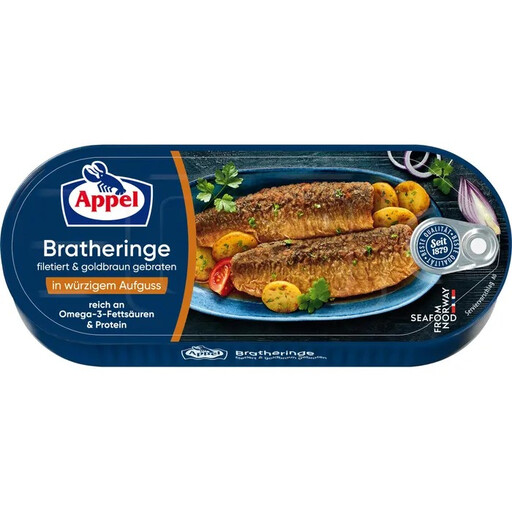
Appel Fried Herring in a Savoury Marinade 325g
Why it's a match: Ideal for those who appreciate an authentic, classic German taste. Perfect for a quick supper with jacket potatoes or as a hearty topping on rustic bread.
This product uses a clear, savoury marinade instead of a creamy sauce. The focus is on the fried fish, not on fillers. With a drained weight of 200g out of a 325g total, the fish content is solid.
MSC-certified for sustainable fishing. The classic flavour is versatile and makes it a reliable choice for your pantry.
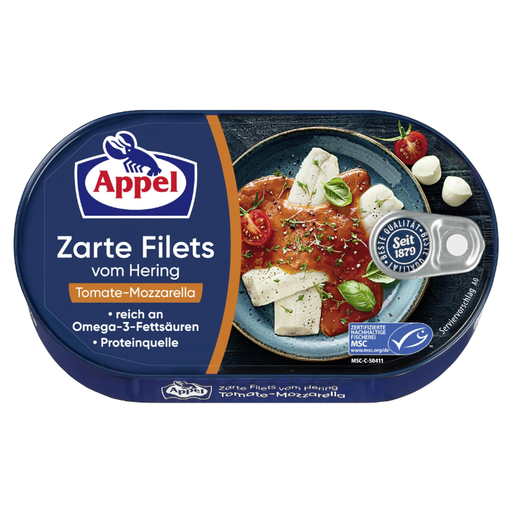
Appel MSC Tender Herring Fillets in Tomato-Mozzarella Cream 200g
Why it's a match: For professionals or students looking for a quick yet sophisticated meal. The Mediterranean touch of tomato and mozzarella stands out from the standard fare and pairs well with pasta or ciabatta.
The sauce is based on 10% tomato paste and explicitly contains cream and mozzarella powder. This indicates a recipe based on real ingredients rather than just thickeners. The fish content is a solid 60%.
MSC-certified and a source of Omega-3 fatty acids. The refined recipe provides a quick meal with a Mediterranean character.
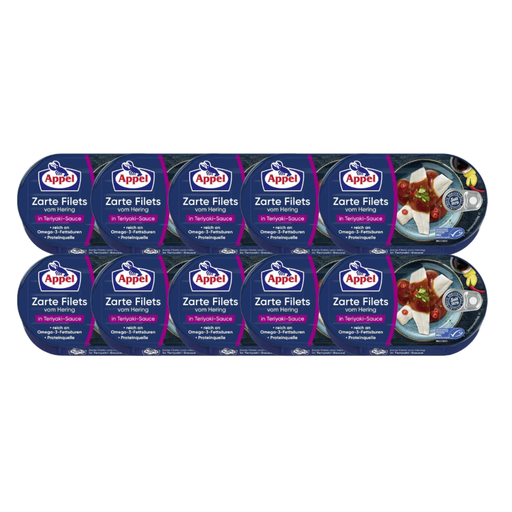
Appel MSC Tender Herring Fillets in Teriyaki Sauce 10x190g
Why it's a match: For anyone who loves Asian flavours and likes to keep a well-stocked pantry. The sweet and savoury teriyaki sauce is a welcome change and pairs excellently with rice or in Asian-style salads.
The ingredients list is transparent, naming specific components like soy sauce and an alcoholic rice beverage, which points to an authentic recipe. The 60% fish content is also maintained here.
The bulk pack of 10 tins offers a price advantage and ensures your favourite snack is always on hand. MSC-certified.
Looking for More Options?
We have compiled a complete, real-time list of products that fully satisfy these strict selection criteria and UK safety regulations.
Frequently Asked Questions (FAQ)
1. Do Appel herring fillets need to be cooked?
No, all Appel herring fillets in sauces or marinades are ready to eat and do not need to be heated. They can be enjoyed cold straight from the tin, for example, on bread or in a salad. Gentle warming in a saucepan is possible, but they should not be boiled, as the fish may fall apart and the sauce could change its consistency.
2. How long do canned herring last after opening?
After opening the tin, any uneaten contents should be transferred to a non-metallic, sealable container (e.g., glass or plastic). When stored in the refrigerator, the herring should be consumed within one to two days, according to the manufacturer's instructions, to ensure quality and freshness.
3. How can I identify sustainably caught herring?
The most reliable indicator of sustainably caught fish is the blue MSC (Marine Stewardship Council) label on the packaging. Appel Feinkost clearly marks its products that meet this standard. This label ensures that the fish comes from a responsibly managed fishery that protects the health of fish stocks and the marine ecosystem.