
Frozen Japanese Food: A Buyer's Guide to Authentic Flavour
The demand for authentic Japanese cuisine at home is constantly growing. Frozen Japanese food offers a convenient way to prepare dishes like gyoza, karaage, or udon without much effort. However, the market can be overwhelming, and not every product delivers on its promise. Many consumers are unsure how to distinguish high-quality products from those with exaggerated marketing claims.
This guide highlights the most common pitfalls to avoid when shopping and shows you which key features to look for to make an informed decision.
What to Watch Out For: 3 Common Problems with Frozen Products
Before adding Japanese ready meals to your basket, it's helpful to know the typical shortcomings that often only become apparent after you've prepared them at home.
- Misleading "Authenticity": Many products are advertised as "Japanese" or "authentic" but use substitutes or simplified recipes that deviate from the original taste. For example, cheaper seasonings are often used instead of traditional soy sauce or mirin.
- Disappointing Texture After Cooking: A frequent issue is that products fail to achieve the desired consistency. Gyoza dumplings turn out soggy instead of crispy and tender, and the coating on frozen karaage becomes soft instead of crisp. This is often due to a recipe that hasn't been optimised for freezing and home preparation.
- Hidden Additives and High Salt Content: A quick look at the ingredients list often reveals a high concentration of flavour enhancers (like monosodium glutamate/E621), sugar, and salt. What was intended as a light meal can turn out to be unexpectedly unbalanced.
Key Selection Criteria for Your Purchase
To avoid these pitfalls, focus on a few verifiable product features. These will help you assess quality more objectively.
1. Ingredient List and Origin
A product's composition is the most direct indicator of its quality. Look for a clear and understandable ingredients list. High-quality products use specific, traditional ingredients. For instance, if you want to buy gyoza, check if the filling consists of recognisable ingredients like chicken, cabbage, and ginger, and whether seasonings like soy sauce and sesame oil are specified. The place of origin can also hint at the recipe's authenticity, although many high-quality products for the European market are manufactured under license in countries like Thailand or Poland.
2. Recommended Preparation Methods
A good frozen product is designed to succeed when prepared at home. Manufacturers should provide clear and versatile instructions for various cooking methods. For frozen karaage, for example, an indication that it is suitable for an air fryer is a good sign. This suggests that the coating—often a special starch blend—has been developed to achieve a crispy texture even with less fat. With frozen udon noodles, the cooking time is crucial; good noodles retain their bite (al dente) even after cooking.
3. Nutritional Information per 100g
The nutrition table provides an objective basis for comparison. Instead of being misled by portion sizes, compare the salt (sodium), sugar, and fat content per 100 grams. This allows for a realistic assessment of how the product fits into a balanced diet. This comparison is particularly worthwhile for ready meals and snacks like onigiri, helping you identify overly salted or sweetened options.
Our Picks for Different Needs
Here are some product recommendations tailored to different needs and scenarios.
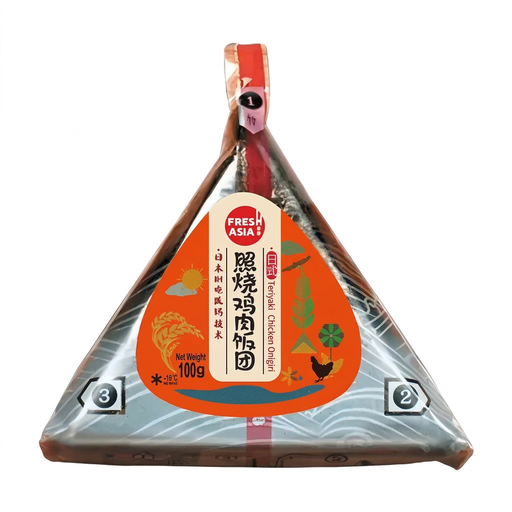
FRESHASIA Teriyaki Chicken Onigiri 100g
Why it's a great fit: Ideal for a quick and easy meal at the office or on the go. As an individually wrapped onigiri, it's a complete, satisfying portion that only needs a moment in the microwave.
The ingredients, such as rice, chicken, and teriyaki sauce, are clearly declared. As an all-in-one product, there are no issues with different textures being lost during cooking.
Maximum convenience: Ready to eat immediately after heating, with no further preparation or extra dishes required.
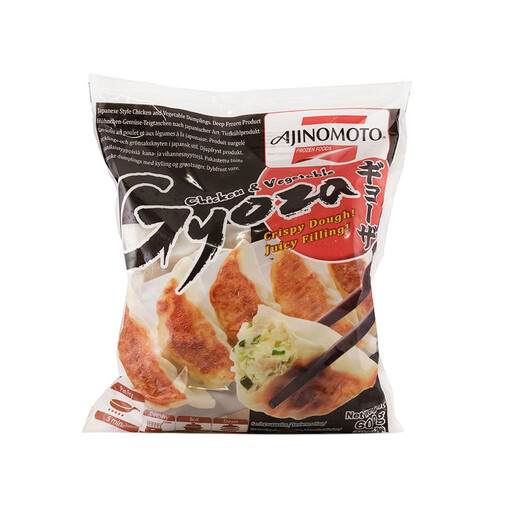
Ajinomoto Gyoza Chicken & Vegetable 600g
Why it's a great fit: These Asian dumplings are perfect for sharing. The 600g pack is enough for several people, and preparation is flexible—serve them as a side dish, appetiser, or main course.
Ajinomoto provides detailed instructions for four different preparation methods (pan-frying, steaming, deep-frying, boiling). This ensures the desired crispy-juicy texture is achieved and the dough doesn't become soggy.
High versatility in preparation and a chicken and vegetable filling that has broad appeal.
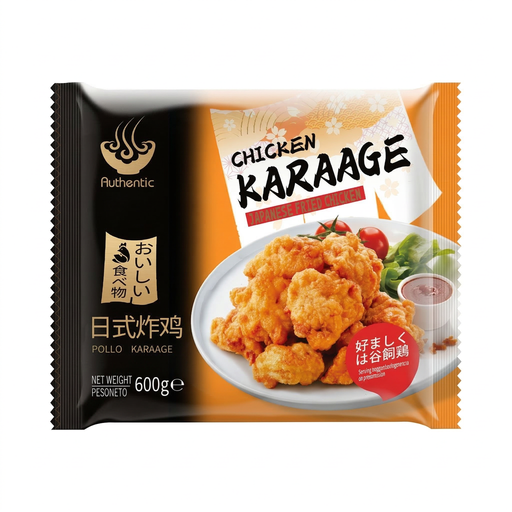
Authentic Chicken Karaage 600g
Why it's a great fit: For anyone seeking that classic Japanese fried chicken flavour. Perfect as a snack, in a bento box, or as a protein-rich component of a meal.
The product description highlights a "light, starch-based coating" that ensures an "extra crispy" exterior. This directly addresses the problem of a soft coating and is optimised for modern appliances like air fryers.
The marinade of soy sauce, ginger, and garlic provides a deep, authentic flavour. It can be prepared in either the oven or a fryer.
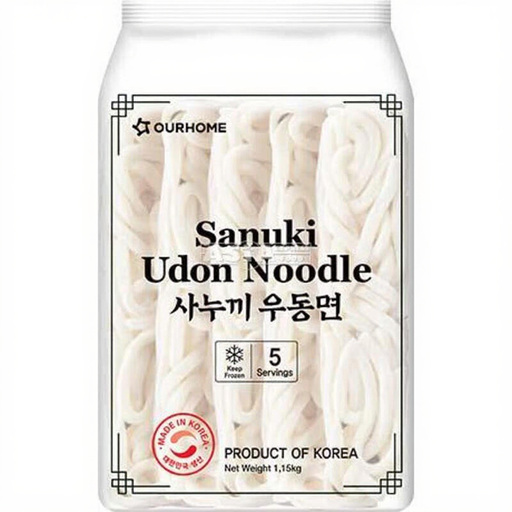
Ourhome Udon Noodle Japanese Style 1.15Kg
Why it's a great fit: These frozen udon noodles are an excellent base for a variety of dishes, from hot noodle soup (Kake Udon) to stir-fried noodles (Yaki Udon). They offer maximum creative freedom.
As a base ingredient, this product sidesteps the trap of hidden additives in ready-made sauces. The ingredients list is minimal (wheat flour, water, salt), which indicates a pure product. The texture remains firm and elastic after cooking.
The large 1.15 kg pack offers excellent value for money and ensures you always have a high-quality noodle base on hand for spontaneous meal ideas.
Looking for More Options?
We have compiled a complete, up-to-date list of products that fully meet these strict selection criteria.
Frequently Asked Questions (FAQ)
1. How do I store frozen Japanese food correctly to maintain its quality? Storage should be at a constant -18°C or colder. Avoid temperature fluctuations by not leaving the freezer door open for too long. Once thawed, products should not be refrozen. If the original packaging has been opened, it is best to store the remaining contents in an airtight container to prevent freezer burn.
2. Can I cook frozen Japanese food like gyoza or karaage in an air fryer? Yes, many modern products are suitable for preparation in an air fryer, which allows for a crispy texture with less fat. Always check the preparation instructions on the packaging. For karaage, this is often an ideal method. For gyoza, it can be helpful to lightly spray them with oil before cooking to prevent the dough from drying out.
3. How can I identify high-quality frozen udon noodles? High-quality frozen udon noodles are characterised by a very short ingredients list, typically containing only wheat flour, water, and salt. After cooking, the noodles should have a characteristic thick, elastic, and firm texture (al dente) and should not become soft or mushy. The ability to retain their shape and texture in hot soups or when stir-fried is a clear sign of quality.