
Frozen Asian Food: A Buyer’s Guide to Avoiding Common Mistakes
The desire for authentic Asian cuisine at home leads many to a convenient solution: frozen Asian food. The variety, from gyoza and karaage to udon noodles, promises a quick, restaurant-quality experience. However, the selection can be overwhelming, and not every product lives up to its packaging. As your Joybuy Product Recommendation Officer, I'm here to help you navigate the options and make informed decisions.
This guide highlights the most common pitfalls when buying and shows you which objective criteria to look for to avoid disappointment.
The 3 Most Common Pitfalls When Buying Frozen Asian Food
Before you buy Japanese food online, you should be aware of the common marketing traps that often lead to a disappointing culinary experience.
- The Empty 'Authenticity' Promise: Many products are advertised with terms like "authentic" or "traditional," yet the recipe is heavily adapted for Western palates. This often manifests as an excessively high sugar content, a lack of characteristic spices, or the use of cheap fillers instead of high-quality main ingredients.
- Misleading Preparation Instructions: A dish is advertised as "ready in 5 minutes," but the instructions require special equipment like a deep fryer or complex steps that are difficult to manage in an average kitchen. The result is often a soggy or unevenly cooked product that is a far cry from the image on the packaging.
- Vague Contents and Hidden Fillers: The ingredients list is often vague, especially for dumplings like frozen gyoza or frozen dumplings. Phrases like "meat preparation" can indicate a low meat content and a high percentage of binders or starches. A look at the percentages of the main ingredients is therefore essential.
What to Look For Before You Buy: 3 Key Parameters
To ensure you get high-quality products that meet your expectations, you should check three core parameters.
1. Detailed Ingredient List and Origin
A transparent ingredient list is the most important quality indicator. Pay attention to the following points:
- Percentages: A high-quality product specifies the percentage of the main ingredient (e.g., "Prawns 35%").
- Specific Spices: Look for specific ingredients like soy sauce, ginger, sesame oil, or garlic instead of generic terms like "flavourings."
- Origin: The country of origin can be an indicator of the recipe. Products made in Asia for the local market often follow more traditional recipes.
2. Stated Preparation Methods
Check if the recommended preparation methods match your kitchen setup. A good product often offers flexibility. Frozen gyoza, for example, should ideally be suitable for pan-frying, steaming, or boiling. Products designed exclusively for deep-frying are less suitable for quick, low-fat preparation. This also applies to dishes like karaage, where baking or air-frying is a practical alternative.
3. Filling-to-Dough Ratio (for Dumplings)
For dumplings, gyoza, and wontons, the ratio of filling to wrapper is crucial for texture and taste. A thick, doughy wrapper with little filling is often a sign of a cheaply produced product. Although this value is rarely declared directly, quality-focused brands often provide hints in the product description, such as "generous filling," or show it in the product images.
Product Picks for Different Needs
Here are some recommendations tailored to different needs and lifestyles, taking the above criteria into account.
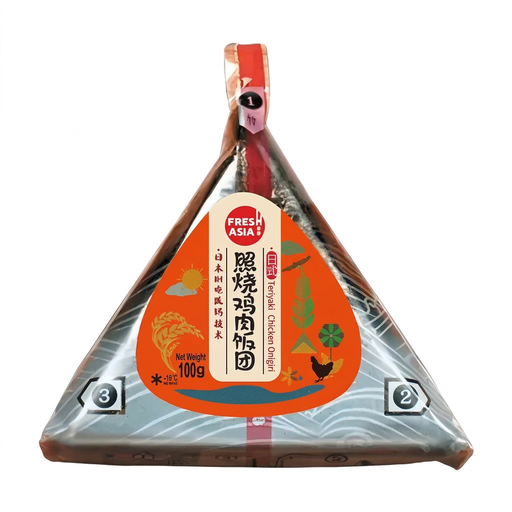
FRESHASIA Teriyaki Chicken Onigiri 100g
Why This Fits Their Persona: A complete, single-serving meal that's ready to eat after a quick reheat. Ideal for when time is short between meetings and you need a satisfying yet simple solution to quickly order and enjoy onigiri.
Instead of vague 'Asian seasoning,' this onigiri features a clear teriyaki marinade with soy sauce and sake. The preparation is optimised for simple reheating, delivering a reliable result without any guesswork.
Individually wrapped and portioned to prevent food waste. The 15% chicken content is clearly declared.
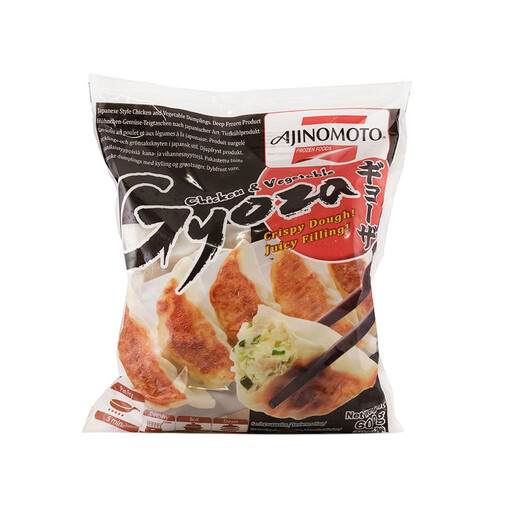
Ajinomoto Gyoza Chicken & Vegetable 600g
Why This Fits Their Persona: Offers a high-quality base that can be used in versatile ways—as a side dish, in a soup, or as a main course with homemade dipping sauces. It allows for culinary creativity with a reliable core product.
The ingredient list is transparent, naming specific vegetables (cabbage, onion, garlic chives) and spices. The Ajinomoto brand is known in Japan for its quality standards, which builds confidence in the recipe.
Four preparation options (pan-fry, steam, deep-fry, boil) offer maximum flexibility. The chicken and vegetable filling is well-balanced and seasoned.
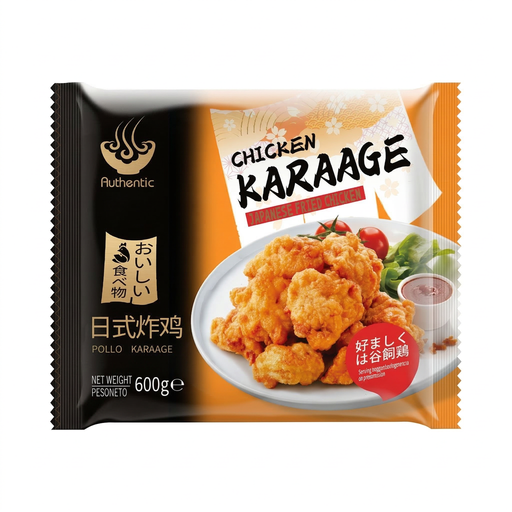
Authentic Chicken Karaage 600g
Why This Fits Their Persona: A larger 600g pack that's easy to prepare for multiple people in the oven or air fryer. A crowd-pleasing dish for both kids and adults when you want to easily buy and serve karaage.
This karaage avoids the 'complicated preparation' trap by being optimised for common kitchen appliances like ovens and air fryers, achieving a crispy texture without requiring deep-frying.
High meat content of 61%. The marinade of soy sauce, ginger, and garlic provides an authentic flavour. The starch-based coating gets exceptionally crispy.
Looking for More Options?
We've compiled a complete, up-to-date list of products that fully meet these strict selection criteria.
Frequently Asked Questions (FAQ)
1. How should you store frozen Asian food correctly? All products should be stored at a consistent temperature of -18°C or colder. Once thawed, products should not be refrozen and should be consumed as soon as possible to ensure quality and food safety.
2. Can you cook frozen gyoza straight from the freezer? Yes, most frozen gyoza and Asian ready meals are designed to be cooked without prior thawing. This is actually recommended as it helps to maintain the shape and texture of the dumplings. Always follow the cooking instructions on the package.
3. What should you look for in the ingredients of frozen udon noodles? For frozen udon noodles, a short ingredient list is a good sign. High-quality udon noodles consist mainly of wheat flour, water, and salt. Modified starch may be added to improve texture, but the list should be free of unnecessary additives or preservatives.