
Frozen Bao Buns Buyer’s Guide: Avoid Bland Dough and Weak Fillings
By Joybuy Product Recommendation Officer, July 28, 2026
Frozen bao buns and other Asian dumplings promise a quick and delicious meal straight from your home freezer. However, the selection at online retailers is vast, and not every product lives up to its packaging. Anyone who has ever bitten into a steamed bun with a barely-there filling or dry dough knows the disappointment.
To help you confidently make the right choice next time, we'll show you the most common pitfalls when buying frozen bao buns and which objective criteria you should look for.
The 3 Most Common Mistakes When Buying Frozen Bao Buns
Many products entice with appealing pictures, but the reality is often different. These three points frequently lead to an unsatisfying taste experience:
- Misleading Packaging Images: The photo shows a plump, generously filled bun that's almost bursting at the seams. In reality, the product often consists mostly of dough, while the filling forms only a small core.
- Unbalanced Flavour: Some manufacturers use excessive salt or flavour enhancers to distract from low-quality ingredients. The taste advertised as "authentic" turns out to be a generic spice mix adapted for Western palates.
- Dry or Tough Dough Consistency: The quality of the dough is crucial. A good bao bun should be soft, fluffy, and slightly moist after steaming. Incorrect recipes or a broken cold chain can cause the dough to remain dry or tough even after proper preparation.
What Really Matters: Key Selection Criteria
To avoid these pitfalls, you should take a look at the product details before buying. Three parameters are particularly revealing.
1. Filling Type and Ratio
The filling is the heart and soul of every baozi. The ingredients list provides the crucial information here. Look for specific, high-quality ingredients instead of vague terms like "vegetable mix."
- Meat-filled Bao Buns: Pay attention to the exact type of meat (e.g., chicken, pork) and whether the percentage is specified. Products like Xiao Long Bao (soup dumplings) should explicitly list a broth or a high fat content in the filling that melts during steaming.
- Vegetarian Bao Buns: This is where quality becomes apparent. Authentic vegetarian fillings often use ingredients like shiitake mushrooms, bamboo shoots, tofu skin, or special vegetables like shepherd's purse.
- Sweet Bao Buns: Classics include fillings with red bean paste, sesame paste, or a custard cream. The ingredients list reveals whether there is a real fruit or nut content, or if the product primarily uses sugar and flavourings.
2. Dough Type and Preparation
Not all steamed buns are the same. The most basic distinction is between filled Baozi and unfilled Mantou. Mantou are simple, steamed buns that serve as a side dish for savoury meals. Baozi, on the other hand, is the general term for the filled version.
The recommended preparation method is also an important clue. Most frozen dim sum are steamed to preserve their soft texture. However, some smaller varieties are specifically designed for pan-frying, which gives them a crispy bottom.
3. Transparent Manufacturer Information
Reputable manufacturers who value the quality of their Asian foods provide clear information on ingredients, nutritional values, and allergens. A detailed product description is often an indicator of a well-thought-out product. Check for the completeness of the information before you buy the products online.
Picks for Every Taste
Based on the criteria above, we have compiled a few products from our range for different use cases and preferences.
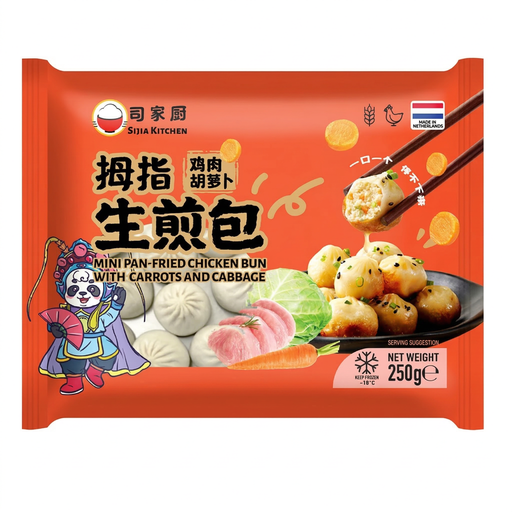
SIJIA Kitchen Mini Pan-Fried Chicken Bun with Carrots and Cabbage 250g
Why This Fits Their Persona: Ideal for professionals or students looking for a quick yet satisfying bite. Their bite-sized nature and the option to pan-fry them make them a convenient alternative to classic steaming.
Pan-frying creates a crispy bottom and a juicy filling, avoiding the risk of dry or soggy dough. The ingredients list specifies chicken and carrots as the main components of the filling.
Quick to pan-fry; bite-sized; savoury chicken and vegetable filling.
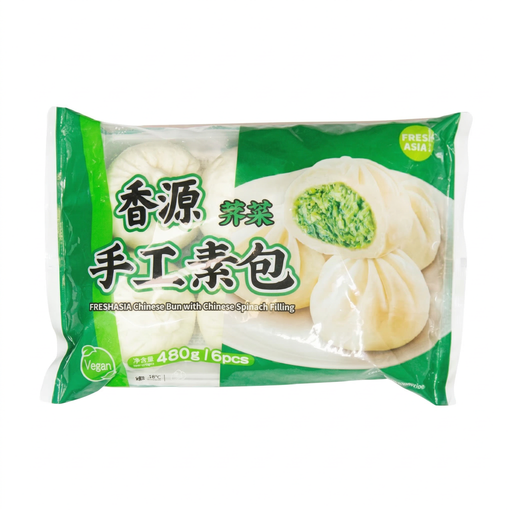
FRESHASIA Shepherd's Purse Bun 480g
Why This Fits Their Persona: For food enthusiasts and vegetarians looking for a change from standard vegetable fillings. Shepherd's purse is a highly prized ingredient in traditional Chinese cuisine with a unique, savoury flavour.
This product avoids the "empty promise of authenticity" trap by highlighting a specific and traditional ingredient—shepherd's purse—instead of relying on a non-specific "vegetable filling."
Authentic vegetarian filling; unique, savoury flavour from shepherd's purse; suitable for a traditional dim sum meal.
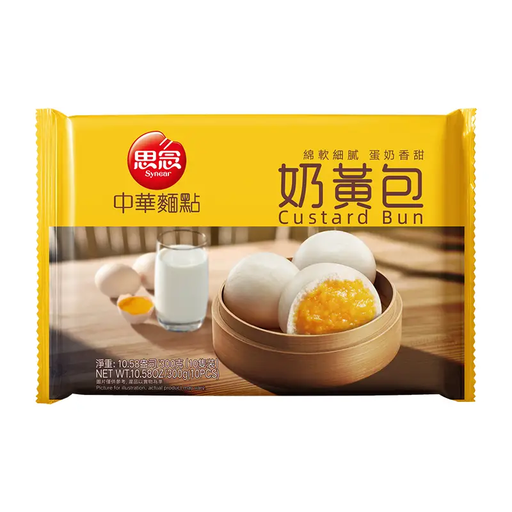
Synear Custard Bun 300g
Why This Fits Their Persona: Perfect for anyone who wants to round off a meal with a sweet, warm dessert. These sweet bao buns with a creamy filling are a classic of Cantonese cuisine and also make a great sweet snack with tea.
The product description highlights a "rich egg yolk cream filling" and "moderate sweetness." This indicates a balanced recipe that focuses not just on sugar, but on a creamy texture and full flavour.
Classic sweet dim sum option; creamy custard filling; quickly prepared as a dessert or snack.
Looking for more options?
We have compiled a complete, up-to-date list of products that fully meet these strict selection criteria and UK/EU regulations.
Frequently Asked Questions (FAQ)
What is the difference between Bao Buns, Baozi, and Mantou?
The terms are often used interchangeably, but there are subtle differences. Mantou are simple, steamed yeast buns without a filling, often eaten as a staple food instead of rice in Northern Chinese cuisine. Baozi (or Bao for short) is the general term for filled, steamed yeast buns. Bao Buns is a term that has become popular in the West, often referring to a specific type of folded, not fully closed bun (Gua Bao), but is also frequently used for Baozi in general.
How do you prepare frozen bao buns without a steamer?
You don't necessarily need a special steamer. A large pot with a fitting metal sieve or a heat-resistant plate also works. Fill the pot with a few centimetres of water and bring it to a boil. Place the frozen buns with some space between them on the sieve or plate lined with baking paper, place it in the pot, and close the lid. Steam the buns according to the package instructions (usually 10–15 minutes) until they are cooked through and fluffy.
What should I look for on the ingredients list of frozen dim sum?
Read the ingredients list carefully to assess the quality of the filling (see above). Also, pay attention to allergens. Common allergens in Asian dumplings are Wheat (gluten), Soy, Sesame, Eggs, and in seafood fillings, Crustaceans. Also check for flavour enhancers like monosodium glutamate (MSG or E621) if you wish to avoid them.