
Food Storage Container Buyer’s Guide: How to Avoid Bad Purchases
A well-organised kitchen starts with the right storage solutions. Food storage containers are essential for keeping food fresh longer, prepping meals, or neatly storing pantry staples. However, the market is flooded with products that often fail to deliver on their promises in practice. Many containers warp after a short time, seals begin to leak, or materials stubbornly retain odours.
As your Joybuy Product Recommendation Officer, I'm here to help you identify the critical features and avoid common purchasing pitfalls. This guide will show you what to look for to find a functional and durable solution for your kitchen.
The 3 Most Common Problems with Food Storage Containers
Before we dive into the selection criteria, let's look at the three most common frustrations that arise with low-quality products:
- False "Airtight" Claims: Many containers advertise airtight seals, but after just a few wash cycles or with temperature changes, the lid warps or the seal fails. The result: food spoils faster and liquids leak out.
- Materials That Absorb Odours and Stains: Cheaper plastic containers are particularly prone to permanently absorbing the colour of tomato sauce or the smell of onions. This is not only unappetising but also unhygienic.
- Limited Versatility: A container that isn't suitable for the microwave, freezer, or dishwasher severely limits its everyday use. You end up needing separate containers for different purposes, which leads to more kitchen clutter.
What Really Matters When Choosing
To avoid these problems, you should check three core parameters. These determine whether a food storage container will serve its purpose in the long run.
1. Material Choice: Glass vs. Plastic
The decision between glass and plastic is fundamental and depends on your intended use.
- Glass Storage Containers: Containers made of borosilicate glass are an excellent choice for anyone who values hygiene and versatility. This material is non-porous, won't absorb odours or stains, and is easy to clean. A key advantage is that many glass food containers are oven-safe (without the lid), making them ideal for preparing casseroles that can be stored directly in the same container. However, they are heavier and more fragile than plastic.
- Plastic Storage Containers: Modern plastic containers, usually made from polypropylene (PP), are lightweight, break-resistant, and often more affordable. Always look for the BPA-free storage containers label. High-quality plastic containers are robust and suitable for the microwave and freezer, making them practical meal prep boxes.
2. The Locking System: The Key to Freshness
An effective seal is the core component of any good food container. Airtight storage containers significantly extend the shelf life of food.
- Gasket: A wrap-around silicone gasket in the lid is the standard for a reliable seal. It's flexible, durable, and can often be removed for cleaning.
- Locking Mechanism: Systems with a four-sided locking mechanism provide an especially secure and even pressure distribution on the gasket. This ensures the container is not only airtight but also leak-proof—a must-have for transporting soups or sauces.
3. Design and Functionality: A Tidy Kitchen
Good design is more than just aesthetics; it's functional.
- Stackability:Stackable storage boxes make optimal use of space in the fridge, freezer, and kitchen cabinets. Look for models with bases and lids shaped to stack securely on top of one another.
- Transparency: Clear containers allow for a quick overview of the contents without having to open each one. This saves time and helps reduce food waste.
Recommended Picks for Every Need
Based on these criteria, we have selected a few products suited for specific user profiles.
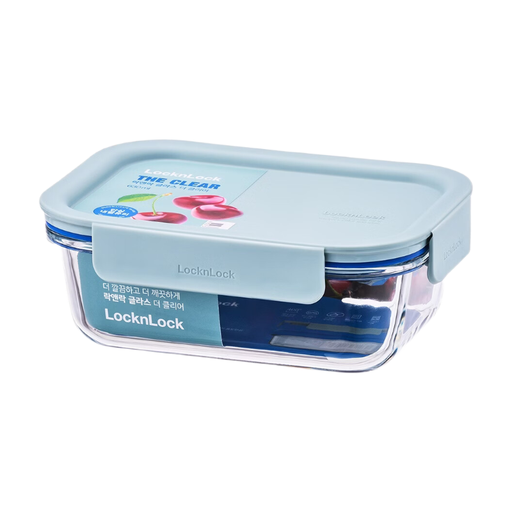
LocknLock Heat-Resistant Glass Container, 630 ml
Why This Fits Their Persona: Ideal for those who prepare meals in advance. You can bake directly in the container (without the lid), store it in the fridge, and reheat leftovers in the microwave. This saves time and reduces washing up.
The borosilicate glass is non-porous and resists stains and odours. The four-sided locking system with a silicone gasket ensures a reliable, leak-proof seal.
Extremely versatile: According to the manufacturer, it's oven-safe up to 400°C (without the lid), and is also microwave, freezer, and dishwasher safe.
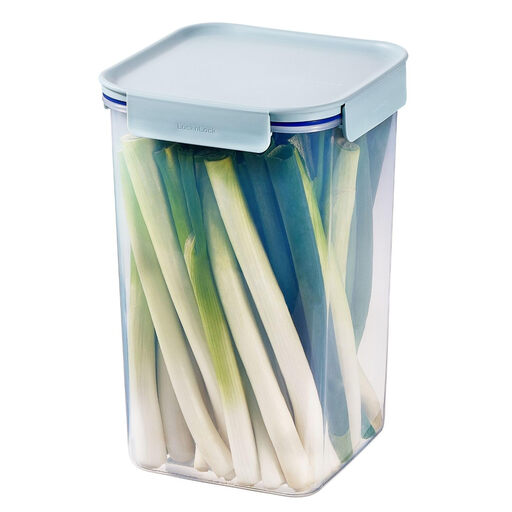
LocknLock Classic Plus+ Modular Container 4.0L
Why This Fits Their Persona: Perfect for pantry organisation. The large capacity is ideal for dry goods like flour, sugar, or cereal. Its modular, stackable design maximises storage space.
The secure lock reliably protects dry foods from moisture and pests. The robust, BPA-free plastic is durable and won't warp like cheaper alternatives.
A large 4-litre capacity and a space-saving square design that stacks efficiently.
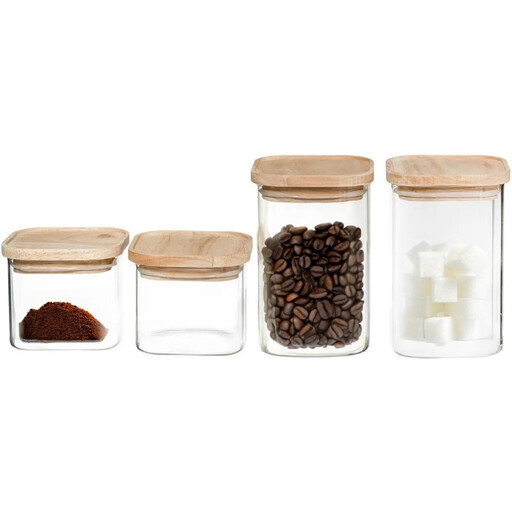
5five Glass Storage Jars with Wooden Lids, Set of 4
Why This Fits Their Persona: For those who want to combine functionality with aesthetics. These jars are excellent for visibly storing dry goods like pasta, rice, or as a stylish coffee canister on the countertop.
These containers are clearly designed for dry goods and don't promise a perfect seal for liquids. The borosilicate glass is hygienic, and the wooden lid provides a sufficiently tight seal for this purpose.
The set of 4 creates a uniform and tidy look in the kitchen. The material is durable and easy to care for (jars are dishwasher-safe, lids are not).
Looking for More Options?
We have curated a complete, up-to-date list of products that fully meet these strict selection criteria and rigorous safety standards.
Are glass or plastic containers better for food storage?
Both materials have their merits. Glass containers are more hygienic, heat-resistant, and don't absorb odours, making them ideal for acidic or strong-smelling foods. Plastic containers are lighter, break-resistant, and often more affordable, making them a great choice for transport, for kids, or for freezer storage. The decision depends on your primary use case.
How do you clean food containers properly to prevent odours and stains?
Cleaning glass containers is straightforward, as the material is non-porous. With plastic containers, you should avoid microwaving highly staining foods like tomato sauce, as the heat can set the colour pigments into the material. To combat stubborn odours, try wiping the container with a paste of baking soda and water and letting it sit for a few hours before rinsing. Always check the manufacturer's instructions for dishwasher suitability.
What does "BPA-free" mean and why is it important for storage containers?
BPA (Bisphenol A) is an industrial chemical that was used in the manufacturing of certain plastics. There are concerns that BPA can leach from containers into food. The "BPA-free" label means the product was made without this chemical. Today, this is a common standard for food-contact plastic products and is preferred by health-conscious consumers.