
Food Storage Container Buyer's Guide: Avoid Common Purchase Mistakes
A good food storage container is an indispensable kitchen tool. It keeps food fresh for longer, allows for the safe transport of meals, and creates order in the fridge and pantry. However, the market is flooded with products whose promises often don't hold up in practice. This leads to leaky containers, food that spoils quickly, and ultimately, wasted money. Before you make a decision, it's important to know the most common pitfalls.
Common Problems When Choosing Food Storage Containers:
- The Deceptive "Airtight" Promise: Many containers are advertised as airtight, but the seal or locking mechanism fails after just a few washes. The result is that air and moisture get in, causing food to spoil faster.
- Material Fatigue and Warping: Inexpensive plastic containers, in particular, are prone to warping in the microwave or dishwasher. They also quickly absorb stains from sauces or retain odours, making them unhygienic and unsightly.
- Inefficient Design: Round or awkwardly shaped containers that don't stack properly waste valuable space in your fridge or cupboards. A well-designed, stackable shape is crucial for an organised kitchen.
What Really Matters When Choosing
To avoid these problems, you should pay attention to a few fundamental technical features. These define the durability and functionality of a food storage container.
Material Choice: Glass or Plastic?
The choice of material has a direct impact on use and care.
- Plastic (PP - Polypropylene): Modern plastic containers are lightweight, shatterproof, and often more affordable. A crucial quality indicator is the BPA-free label. This ensures that no harmful plasticisers are present in the material. High-quality plastic is also designed for use in the microwave and freezer without warping.
- Glass (Borosilicate Glass): Glass containers are particularly hygienic, as the material does not absorb odours or stains. They are generally microwave-safe (without the lid) and often even oven-safe. Their heavier weight and risk of breakage are the main disadvantages compared to plastic.
Locking Mechanism and Seal: The Heart of Freshness
A simple snap-on lid isn't enough to make a container truly airtight and leak-proof. Look for the following features:
- Silicone Seal: A wrap-around silicone gasket in the lid is essential. It fits snugly against the container's rim to create a hermetic seal.
- Multi-Latch Locking System: Systems with four locking tabs that click into place on all sides of the lid distribute pressure evenly and ensure a long-lasting, secure hold. This is especially important for transporting liquids in a lunch box.
Efficient Organisation: Shape and Stackability
For maximum space-saving and order, rectangular or square shapes are ideal. A good pantry container or a food storage container set should be stackable. Look for lids with a slightly raised edge or a special rim that prevents stacked containers from slipping. This allows you to make optimal use of available space.
Our 2026 Picks for Different Use Cases
Based on these objective criteria, we have identified several products that offer a suitable solution for specific needs.
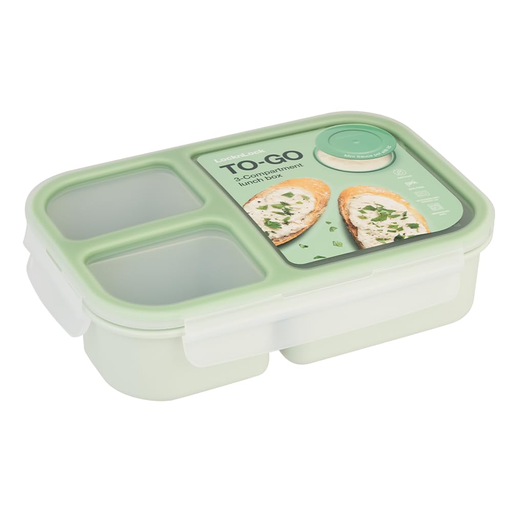
LocknLock 3-Compartment Lunch Box 980ml – Mint Green
Why it's a great fit: Perfect for professionals and students who want to take a complete, separated meal with them. The three compartments of this Meal Prep Box prevent the main course, side dish, and salad from mixing. The separate sauce container is a handy feature for dressings or dips.
The 4-sided locking system with a silicone seal ensures a reliably leak-proof performance, unlike simple lids. The BPA-free PP material is specified for microwave use (without the lid) and prevents warping.
Integrated compartments and a sauce container for an organised meal on the go.
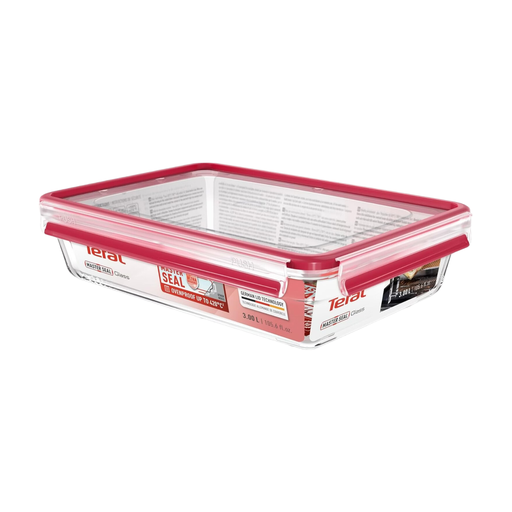
Tefal Masterseal Fresh Rectangular Food Storage Container, 3L, Glass
Why it's a great fit: Perfect for families or for storing large portions. The glass is hygienic, won't absorb odours or stains, and can go straight from the freezer to the oven (without the lid). The large capacity is excellent for lasagne, casseroles, or large salads.
Glass is naturally resistant to staining and warping. The special lid technology provides a certified airtight seal that remains reliable even after long-term use. The stacking rim ensures a secure fit in the cupboard.
Extreme temperature resistance (from -40°C to 420°C) and oven-safe for maximum versatility.
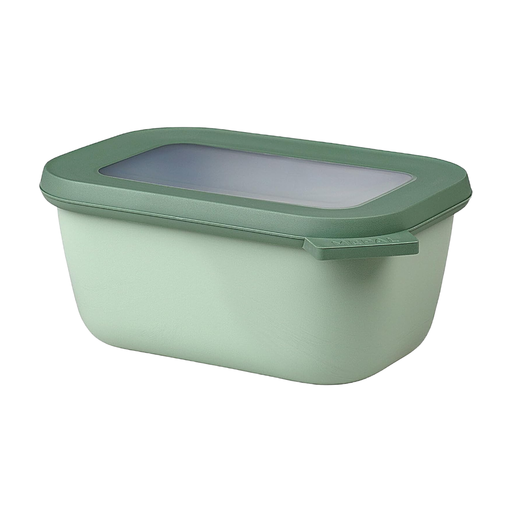
Mepal Multi Bowl Cirqula Rectangular - 750ml - Nordic Sage
Why it's a great fit: A true all-rounder for daily use. This bowl is designed to store food in the fridge or freezer, heat it in the microwave, and serve directly at the table. Its modern design also makes it visually appealing.
The design is intended as a complete system ("Circle of Use"), meaning the material is optimised for switching between cold and heat. The rectangular, nestable shape solves the problem of wasted cupboard space.
Multi-functionality: Store, freeze, heat, and serve all in a single container.
Looking for more options?
We have compiled a complete, up-to-date list of products that fully meet these strict selection criteria and safety standards.
Frequently Asked Questions (FAQ)
Are plastic food storage containers safe?
Yes, as long as they are made from high-quality material. Always look for the BPA-free label. BPA (Bisphenol A) is a chemical that was used in some plastics and can be a health concern. Reputable manufacturers today exclusively use BPA-free plastics like polypropylene (PP) for their food containers.
How do I avoid stains and odours in my containers?
For plastic containers, it helps to rinse them with cold water immediately after use before putting them in the dishwasher. Avoid microwaving highly staining or very greasy foods like tomato sauce or curries in plastic containers, as this can damage the surface. For such foods, glass containers are often the better choice.
What does "microwave-safe" mean for a food storage container?
This specification usually refers only to the container itself. The lid should almost always be removed or at least vented before heating. A sealed lid can be damaged or warp from the resulting steam pressure. Always follow the manufacturer's specific instructions on the product.