
Buying Cumin: How to Choose Whole Seeds, Powder and Spiced Products
Anyone looking to buy cumin will find far more online than a traditional jar of spice. The range includes cumin seeds, ground cumin, spice blends, papadums, ready meals, vegetarian cumin snacks and food supplements containing curcumin or black cumin seed oil. However, products can differ significantly in their ingredients, uses, allergens and storage requirements.
Common pitfalls when buying cumin
1. Cumin is confused with curcumin or black cumin
Cumin spice, Jeera spice and cumin all refer to the spice made from the seeds of Cuminum cyminum. Curcumin, on the other hand, comes from turmeric. Black cumin seed oil is obtained from Nigella sativa and is botanically different from cumin too.
If you are looking for a culinary spice, check the ingredients list for “cumin”, “Cumin” or “Cumin Seeds”. For food supplements, the product description and dosage instructions should be checked separately. These products are not a substitute for a balanced diet. If you take medication, are pregnant or have an existing medical condition, it is advisable to consult a healthcare professional.
2. A spice blend is mistaken for pure cumin
A pure product might contain 100% cumin or “Cumin Seeds”. A cumin spice blend, however, may contain salt, garlic, pepper, oregano, chilli, flour or flavour enhancers. This affects the taste, salt content and possible uses.
According to the product details, Goya Adobo All Purpose Seasoning with Cumin contains salt, garlic, cumin, black pepper, oregano and turmeric. It is therefore suitable for quick seasoning, but is not a substitute for pure ground cumin.
3. Snacks, ready meals and spices have different requirements
Cumin for Indian cooking or cumin for Middle Eastern dishes is generally used during cooking. Cumin snacks and vegetarian cumin snacks, on the other hand, are ready to eat or only need brief heating. Ready meals may also require chilled or frozen storage.
Before buying, serving instructions, allergens, net quantity and storage conditions are therefore more important than marketing descriptions of the flavour. For example, a product containing wheat or soya may not suit every dietary requirement.
Criteria to check before buying
Ingredients and product type
For a versatile spice, short ingredient lists are practical. Whole cumin seeds can be toasted in hot oil, crushed with a pestle and mortar or freshly ground. Ground cumin is ready to measure and is suitable for curries, rice dishes, dips, marinades and soups.
The full ingredients list should be visible for blends. Weimen Cumin Seasoning Powder 30 g contains, among other ingredients, wheat flour, salt and flavour enhancers in addition to cumin. This makes it a ready-to-use seasoning, but it is relevant for people with gluten intolerance.
Pack size and protection from flavour loss
Small packs are suitable if you only use cumin occasionally. For regular cooking or making your own spice blends, a larger quantity may offer better value. What matters is whether the packaging can be sealed tightly after opening.
Whole seeds generally retain their flavour for longer than pre-ground powder, provided they are stored in a dry, dark and airtight place. With powder, particular attention should be paid to moisture and direct sunlight. A 400 g product such as Weimen Cumin Seasoning Powder is more suitable for frequent users than for a household that only uses cumin occasionally.
Allergens, nutritional values and preparation
For snacks and ready meals, allergen information and the nutrition table should be checked before buying. Wuxianzhai Vegetarian Steak Western Spice Cumin contains soya and wheat or gluten. The pack contains 90 g and, according to the product details, is ready to eat.
Papadums with cumin are often made from lentil or urad dal flour. They can be roasted, heated in a frying pan or deep-fried. Exact preparation instructions and guidance after opening may vary from one product to another. Frozen products such as Cumin Dumplings, on the other hand, must be stored at a minimum of −18 °C and must not be refrozen after thawing.
Our selection by usage profile
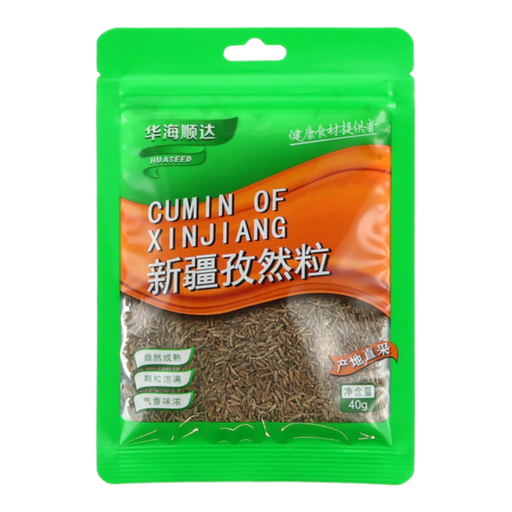
HUASEED Cumin of Xinjiang 40g
Why this product suits this profile: The 40 g pack is a manageable size and is suitable for first curries, marinades, rice dishes or barbecue recipes.
The ingredients list names cumin as a single spice; no additional spices or salt are listed.
40 g, whole seeds, with no declared allergens according to the product details, and intended for use in cooking.
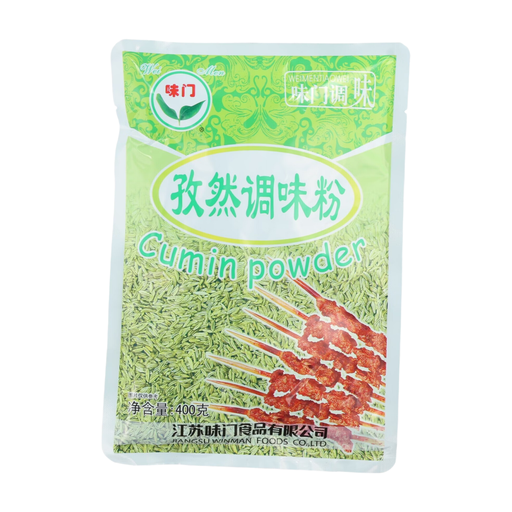
Weimen Cumin Seasoning Powder 400g
Why this product suits this profile: Pure powder in a large pack is suitable for people who cook frequently and prefer a form that can be measured out immediately.
The ingredients list identifies cumin as the only ingredient. This means you can control the quantity without hidden salt or additional spices.
400 g of ground cumin, with no declared allergens according to the product details, and suitable for curries, marinades, rice and vegetables.
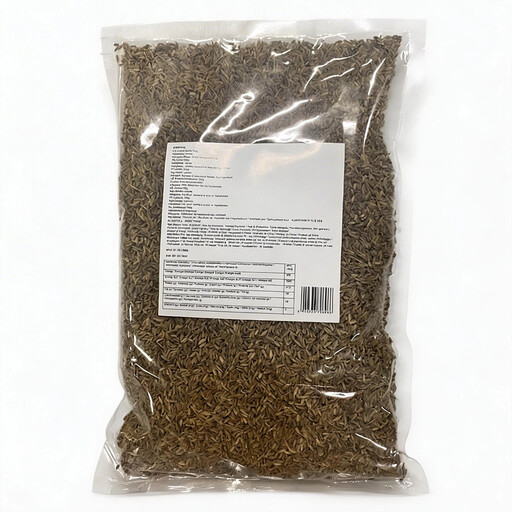
HUASEED Cumin Seeds 500g
Why this product suits this profile: The large pack is aimed at frequent users, barbecue fans and people who make their own spice blends.
Whole seeds avoid confusion with a salt-containing blend and can be freshly ground or toasted, depending on the recipe.
500 g, 100% Cumin Seeds according to the ingredients list, with versatile uses in curries, stir-fries, pickles and marinades.
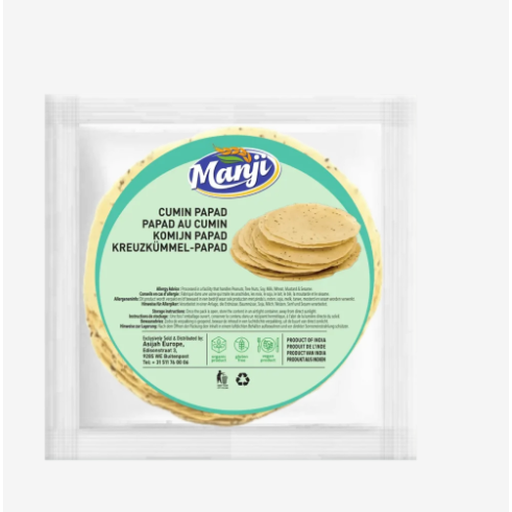
Manji Cumin Papad 100g
Why this product suits this profile: Cumin papadums make a crisp side dish or snack and are briefly roasted or fried before eating.
The product details list urad dal flour, cumin and traditional spices, as well as gluten-free and vegan suitability.
100 g, plant-based and gluten-free according to the product details; suitable as a side dish, starter or vegetarian cumin snack.
Looking for more options?
We have put together a complete, regularly updated list of products that fully meet these strict selection criteria and the safety regulations applicable in the EU.
Other suitable product types
- SWAD Jeera cumin pappadums 200 g: A larger pack for Indian meals and crisp side dishes. The product details list urad flour and 2% cumin.
- FRESHASIA Cumin Lamb Dumplings 400 g: Cumin dumplings with a lamb filling. Store frozen and check for allergens such as wheat and soya.
- Wuxianzhai Cumin Flavor Vegetarian Tripe 100 g: A ready-to-eat soya-based vegetarian snack; according to the product details, it contains soya and wheat gluten.
- Goya Adobo All Purpose Seasoning with Cumin 226 g: A salt-containing spice blend with garlic and cumin for meat, fish and vegetables.
- Curcumin and black cumin products: WeightWorld Curcumin with Ginger and Black Pepper and WeightWorld Cold Pressed Black Cumin Seed Oil belong to the food supplement category. Read the dosage, ingredients and warnings carefully before buying. The product details do not provide evidence of any medical effect.
FAQ about buying cumin
What is the difference between cumin seeds and ground cumin?
Cumin seeds are whole seeds that can be toasted, crushed in a pestle and mortar or freshly ground. Ground cumin is ready to use and can be distributed evenly in dips, soups and spice blends. Powder is practical for occasional use, while frequent users often prefer whole seeds because they offer greater preparation flexibility.
How should cumin be stored?
Cumin should be stored in a dry, dark, cool place in an airtight container. Moisture can cause powder to clump and affect its flavour. The best-before date on the packaging is the relevant guide. After opening larger packs, it is advisable to transfer the cumin to a well-sealed storage container.
Is cumin suitable for vegetarian and vegan diets?
Pure cumin and many papadums are plant-based. However, snacks, spice blends and ready meals must be checked for ingredients such as milk, fish products, animal fats, soya or wheat. The product name alone is not enough; the binding information is the ingredients and allergen labelling on the packaging.