
Buying Indian Spices: A Guide to Choosing Curry, Masala and Individual Spices
If you’re looking to buy Indian spices online, you’ll find a huge selection of powders, whole spices and ready-made blends. However, the names aren’t always straightforward: a curry spice can be mild or hot, a masala spice blend might be intended for meat or snacks, and a product labelled “Curry Powder” could even be a sweet snack rather than a seasoning.
To avoid buying the wrong thing when shopping in Germany, it’s worth checking the ingredients list, pack size, intended use and storage instructions.
Common pitfalls when buying Indian spices
1. “Curry” isn’t a standard recipe
Curry powder doesn’t refer to a single, legally defined spice blend. Depending on the product, it may contain turmeric, coriander, cumin, fenugreek, chilli, mustard or other spices. The flavour and heat level can therefore vary significantly.
A mild Madras curry is ideal for those who prefer an aromatic dish with gentle heat. A blend labelled “Hot”, on the other hand, will contain a higher proportion of chilli. So don’t rely on the name alone.
2. The product name and actual use may differ
Before buying, check whether you’re looking at a spice, a spice blend or a ready-to-eat food. The product Curry Powder 100g from Thailand, for example, contains coconut milk, tapioca starch, sugar, egg and sesame, and is described as a snack. It’s therefore not the same as a classic curry seasoning.
Terms like Garam Masala, Chaat Masala and Tandoori Masala also refer to different uses:
- Garam Masala is often used to finish curries, stews and marinades.
- Tandoori Masala is intended for marinades with yoghurt and lemon juice, as well as for meat, fish or vegetables.
- Chaat Masala is usually sprinkled over snacks, fruit, salads or yoghurt dishes after cooking.
- A Pakistani spice blend like Meat Masala may be tailored to hearty meat dishes.
3. Larger packs aren’t always better value
A kilogram of chilli flakes or chilli powder is only worth it if you cook spicy food regularly or need a larger store. Once opened, spices gradually lose their aroma if exposed to moisture, heat or sunlight. For occasional cooking, packs between 30g and 100g are often more practical.
What product details you should compare
Ingredients and allergens
The ingredients list shows whether a product is a single spice or contains additional components. TRS Cumin Whole 100g, for example, contains cumin seeds as the sole ingredient. A blend, on the other hand, may include salt, sugar, anti-caking agents, flavourings or allergens.
Pay particular attention to:
- Mustard, celery, soya, gluten and sesame
- Salt content in ready-made blends
- Declared additives
- Percentage of individual main ingredients
- Origin and responsible company
Shan Meat Masala lists salt, red chilli, paprika, coriander, turmeric, cumin, black pepper, ginger, garlic, cinnamon, clove and cardamom among its ingredients. According to the product information, it contains soya and may contain traces of celery, mustard and gluten-containing cereals.
Heat level and flavour profile
You can’t judge the heat just by the colour. Blends with paprika can look a deep red without being particularly hot. With chilli flakes and chilli powder, the intensity also depends on the variety, grind and dosage.
For a controlled start, try:
- Mild curry blends with a high proportion of turmeric and coriander
- Individual spices like turmeric powder or coriander powder
- Whole cumin, which can be toasted or ground before use
If you want to add heat deliberately, you can supplement a mild curry with chilli flakes or separate chilli powder for precise dosing.
Pack size and storage
Once opened, powders should be stored in a dry, dark place, ideally in an airtight container. Whole spices like cumin, cloves or cinnamon sticks often retain their characteristic aroma for longer than pre-ground versions, provided they are stored correctly.
When choosing, don’t just compare the price per pack – also look at the price per 100g and how quickly you’re likely to use it.
Our selection by cooking profile
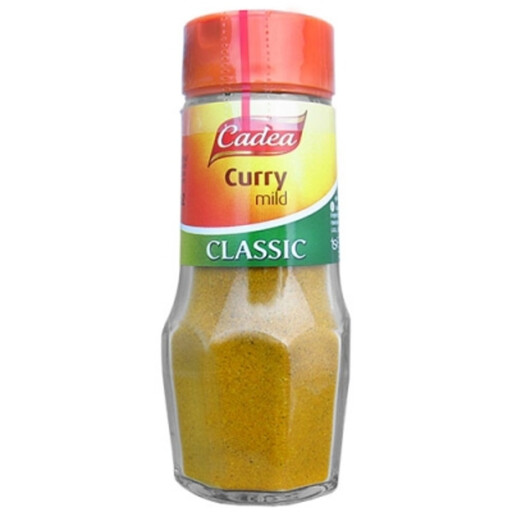
Cadea Mild Curry Powder 45g
Why this product fits the profile: The 45g pack is ideal for getting started and for households that only make curry dishes occasionally. According to the product information, the blend is based on turmeric and coriander and comes in a shaker.
The manageable pack size reduces the risk of storing large quantities of a flavour profile that doesn’t suit you. The ingredients list is clearly stated.
45g shaker; mild flavour profile; suitable for rice, vegetables, poultry, soups and stews.
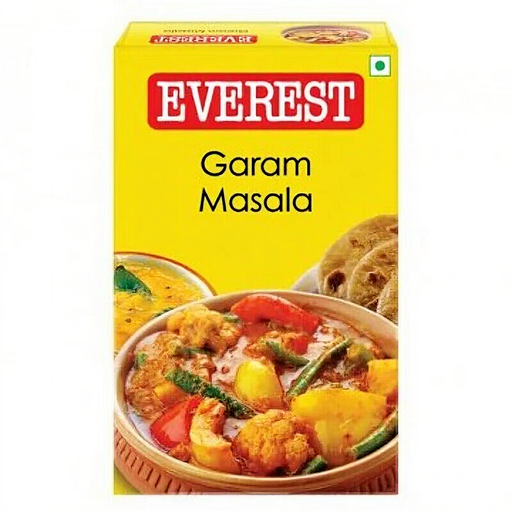
Everest Garam Masala 100 g
Why this product fits the profile: According to the product information, the blend contains star anise, black cardamom, black pepper, cinnamon, cloves, coriander, cumin, ginger and fennel. It is intended for curries, soups, stews and marinades.
The full ingredient list makes it easy to assess the flavour profile and prevents a simple turmeric blend from being mistaken for Garam Masala.
100g pack; wide range of uses; origin stated as India on the product description.
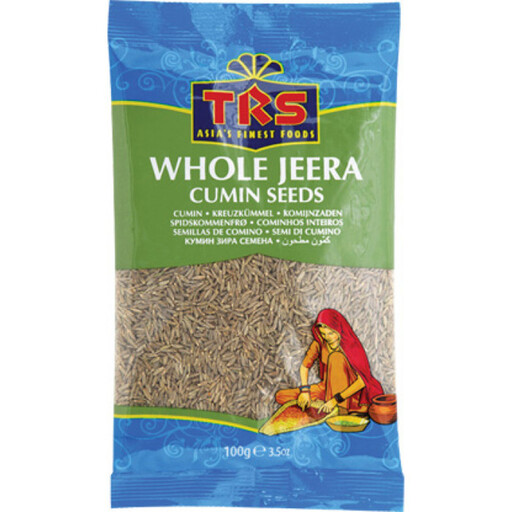
TRS Cumin Whole 100g
Why this product fits the profile: Whole cumin seeds can be toasted, ground or cooked directly depending on the recipe. This suits home cooks who want to dose individual spices and create their own blends.
As a single spice, the intended use is clear. You don’t have to buy the heat and salt content of a ready-made blend.
100g cumin seeds; only one ingredient listed; versatile for curries, rice dishes and marinades.
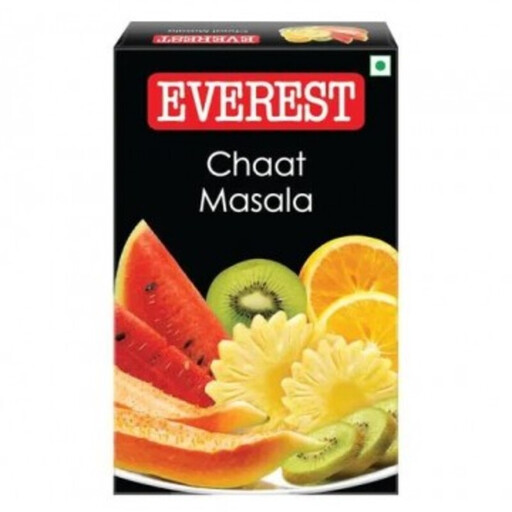
Everest Chaat Masala 100 g
Why this product fits the profile: Chaat Masala is designed for seasoning finished dishes. According to the product description, the blend contains dried mango, pomegranate seeds, black salt, mint and ginger, among other ingredients.
Its clear purpose as a finishing spice prevents a tangy, salty snack blend from being used as a classic curry powder.
100g pack; intended for sprinkling over snacks, fruit, salads, sandwiches and yoghurt dishes.
Individual spices or ready-made masala blend?
Individual spices give you more control over salt, heat and proportions. For a basic storecupboard, turmeric powder, coriander powder, whole cumin, cinnamon sticks and cloves are a good start. A ready-made blend, on the other hand, saves time and makes preparation easier if you cook a particular dish regularly.
For meat dishes, Shan Meat Masala could be a Pakistani spice blend; for tandoori dishes, a Tandoori Masala would be suitable. If you want to control the heat level yourself, combine a mild curry with separate chilli flakes. Always check the ingredients and allergen information on the packaging.
Looking for more options?
We’ve put together a full, regularly updated list of products that meet these strict selection criteria and fully comply with EU safety regulations.
FAQ about Indian spices
Which Indian spices are essential for a basic storecupboard?
For many dishes, you can start with turmeric, coriander, cumin, chilli, Garam Masala and cinnamon. Depending on the cuisine, you can add cardamom, cloves, mustard seeds or fenugreek.
How long do spices keep?
The best-before date is on the packaging. Stored in a dry, dark, airtight place, spices generally stay aromatic for longer than they do in heat and moisture. If the smell changes, or you notice visible dampness or mould, the product should not be used.
What’s the difference between curry powder and Garam Masala?
Curry powder is often used during cooking and may contain turmeric, coriander, cumin and chilli. Garam Masala is usually an aromatic blend with spices like cardamom, cinnamon, cloves and pepper, and is often added towards the end of cooking or as a finishing touch. The exact composition depends on the individual product.