
Buying Mochi in Germany: Your Guide
Mochi, the traditional Japanese rice cakes, are becoming increasingly popular in Germany. Their uniquely soft, chewy texture and variety of fillings make them a captivating treat. However, those looking to buy mochi online are often faced with an overwhelming selection. Not every product lives up to its promise. This guide will help you avoid common pitfalls and make an informed decision.
As a Joybuy Product Recommendation Officer, my job is to filter market information and provide you with practical shopping advice that goes beyond marketing promises.
The 3 Most Common Disappointments When Buying Mochi
- The Texture Trap: The most characteristic feature of mochi is its chewy yet soft consistency. However, many commercially available products arrive too hard, dry, or excessively rubbery. This is often due to a suboptimal recipe or improper storage.
- Misleading Flavour Descriptions: A "matcha-flavoured" filling doesn't guarantee an authentic experience. Artificial flavourings are often used, which cannot replace the delicate, slightly bitter taste of real matcha powder. The result is an oversweetened, chemical-tasting mass.
- Risk of Confusion: Classic vs. Ice Cream: A common mistake is confusing shelf-stable mochi with Mochi Ice Cream. While the former are stored at room temperature, the latter is a frozen product. Those who don't look closely might order the wrong product and be disappointed upon delivery.
What to Look for When Buying Mochi
To avoid these pitfalls, you should check a few key parameters before buying. These will help you objectively evaluate the quality and type of Japanese rice cakes.
1. Mochi Type: Shelf-Stable or Frozen?
The most important distinction is between traditional, room-temperature-stable mochi and frozen mochi ice cream.
- Classic Mochi: This is the traditional form. They consist of a glutinous rice dough enclosing a sweet paste, for example, made from red beans (anko), Taro Mochi, or Matcha Mochi. They are ready to eat immediately and are stored in a cool, dry place. Brands like Q-Brand Mochi or Royal Family are common here.
- Mochi Ice Cream: This is a modern interpretation where a scoop of ice cream is enveloped by a thin layer of mochi. These products must be stored continuously at -18 °C and require special refrigerated delivery when you order mochi online. Koyuki Mochi is a well-known brand in this segment.
2. Filling and Ingredients List
The quality of the filling largely determines the taste. A look at the ingredients list is revealing. Pay attention to the percentage of the ingredient that gives the product its name. A product labelled "Matcha Mochi" should list a discernible percentage of matcha powder or green tea paste, rather than relying solely on "flavouring". Products with fillings based on real fruit purées or bean pastes generally offer a more authentic taste experience.
3. Origin and Brand
Brands from Taiwan and Japan that specialise in making Japanese sweets often have years of experience. Names like Q-Brand, Royal Family, or Yuki & Love are known for their shelf-stable mochi, while Koyuki focuses on mochi ice cream. Choosing an established brand can be an indicator of consistent quality and an authentic recipe.
Great Options For Every Taste
Instead of making a blanket recommendation, we have matched products to different preferences and use cases.
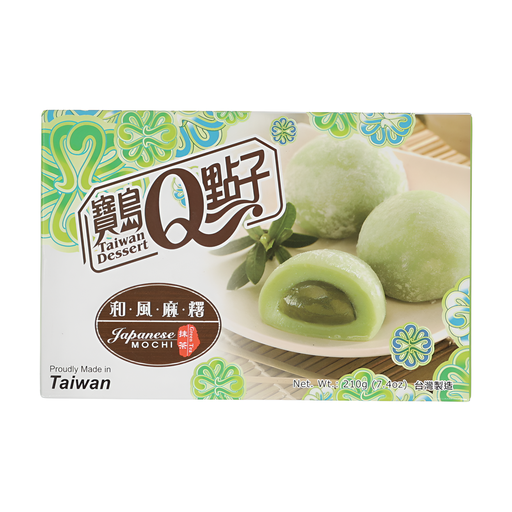
Q-Brand Japanese-Style Mochi Green Tea Flavor 210g
Why this product is a match: Ideal for those seeking the authentic, slightly bitter taste of matcha in a traditional, shelf-stable rice cake. A classic accompaniment to green tea.
The ingredients list specifies a green tea paste (25%), indicating an authentic taste rather than artificial flavourings. Q-Brand is known for its consistent, soft texture.
The mochi are individually wrapped, which preserves freshness and makes them convenient for on-the-go or for sharing.
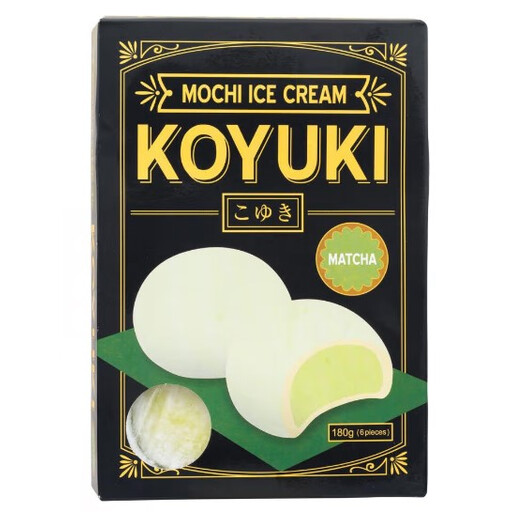
Koyuki Japanese Mochi Ice Cream Matcha Flavor 180g
Why this product is a match: Perfect for anyone specifically looking for the frozen dessert version. It combines the chewy rice dough casing with creamy matcha ice cream.
The clear labelling as "Mochi Ice Cream" and the instruction to store at -18°C prevent confusion with shelf-stable mochi. Koyuki specialises in this product category.
The product offers a multi-layered textural experience: the rice dough becomes firmer from the cold, while the ice cream inside remains creamy. The package contains 6 portioned pieces.
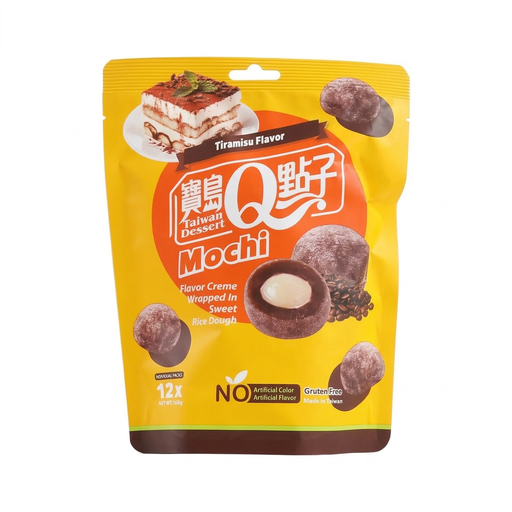
Q-Brand Lava Mochi Tiramisu Flavor 180G
Why this product is a match: For anyone looking for a new flavour experience. This variety combines the texture of mochi with the aroma of the classic Italian dessert, tiramisu.
This product doesn't promise a traditional Japanese experience, but a deliberate fusion. The expectation is clearly set for a modern, creative sweet.
The "Lava" filling (21%) with cocoa and coffee flavour offers a special liquid centre that sets it apart from standard mochi with a solid paste.
Looking for more options?
We have compiled a complete, real-time list of products that meet these strict selection criteria and applicable regulations.
Frequently Asked Questions (FAQ)
How do you store mochi correctly?
Correct storage is crucial for the texture.
- Shelf-stable Mochi: Store in a cool, dry place away from direct sunlight. After opening the package, the remaining mochi should be kept in an airtight container and consumed quickly to prevent them from drying out.
- Mochi Ice Cream: Must be stored in a freezer at -18 °C or colder without breaking the cold chain. They must not be refrozen after thawing. It is recommended to take them out of the freezer a few minutes before eating to allow the dough to soften slightly.
Does mochi contain gluten?
Traditional mochi is made from glutinous rice flour (mochigome), which is naturally gluten-free. However, fillings, coatings, or cross-contamination during production can introduce gluten or other allergens such as milk, soy, peanuts, or tree nuts. It is therefore essential to always carefully check the ingredients list and allergen information on the product packaging before purchasing and consuming.
Is mochi always sweet?
The mochi sold as a sweet in Germany is almost exclusively sweet-filled. However, the plain glutinous rice cake itself has a neutral flavour and is also used in Japanese cuisine for savoury dishes, for example, in soups. This article focuses on the sweet varieties intended as a dessert or snack.