
Asian Frozen Desserts Guide: Matcha, Black Sesame and Samanco
Exploring Asian frozen confectionery reveals a wide spectrum of textures beyond conventional tubs of dairy ice cream. From the chewy, elastic bite of Japanese glutinous rice dough to fish-shaped Korean wafer sandwiches, these desserts blend distinct flavourings like roasted black sesame, stone-ground matcha and sweetened adzuki bean paste with creamy centres.
Selecting the right frozen treat comes down to balancing texture preferences, portion formats and serving patience. Whether you are seeking individually portioned bite-sized mochi for casual snacking or a substantial pastry-style sandwich, understanding outer casing styles and proper tempering steps ensures the best eating experience at home.
Key Factors When Choosing Asian Frozen Desserts
Outer Casing and Structural Texture
The sensory appeal of these desserts depends heavily on the contrast between the frozen core and its surrounding layer. Evaluating whether you prefer pliable rice dough or structured wafer helps narrow down your choice.
- Mochi Dough: Pounded glutinous rice flour creates a soft, chewy envelope that stretches slightly when tempered properly.
- Wafer Sandwich: Moulded wafer biscuits provide a clean, mess-free hold with a delicate bite, often lined with flavoured paste.
Flavour Profile and Sweetness Balance
Traditional East Asian dessert profiles lean towards roasted, earthy or legume-based notes rather than intense sugar-forward vanilla or chocolate bases.
- Roasted and Earthy Notes: Ingredients like toasted black sesame or ceremonial Uji green tea offer nutty richness or pleasant herbal astringency.
- Legume Fillings: Simmered red adzuki bean paste introduces an authentic granular sweetness that pairs naturally with dairy.
Portioning and Temperature Management
Proper serving technique directly influences texture, as eating these treats straight from deep freeze can mute subtle flavours and leave casings overly firm.
- Resting Time: Most bite-sized mochi require three to five minutes at room temperature so the rice skin becomes soft and pliable.
- Pack Quantities: Multipacks ranging from four larger sandwiches to six individual bite-sized pieces cater to different household snacking habits.
Our Top Recommendations for Asian Ice Cream Desserts
These selected frozen treats highlight popular regional flavours and contrasting casing styles for everyday enjoyment.
Nutty Roasted Snack: Koyuki Black Sesame Mochi Ice Cream 180 g
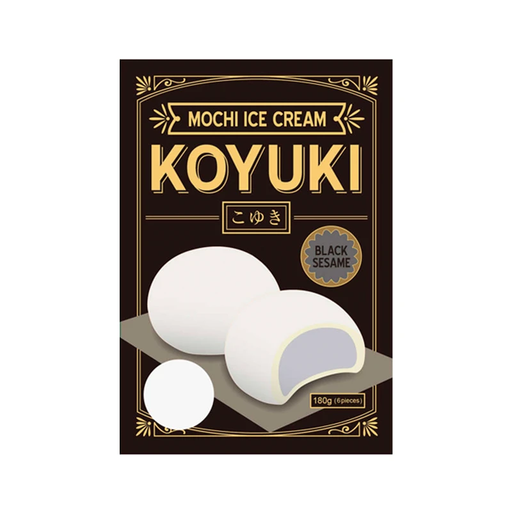
Why It Stands Out: Koyuki delivers an authentic savoury-sweet profile using roasted black sesame blended into smooth ice cream. Wrapped in a delicate layer of glutinous rice dough, each 30 g piece offers a balanced, aromatic depth that avoids cloying sweetness. The 180 g pack contains six individual pieces, making it an easy option for measured dessert portions or sharing.
Pros:
- Rich roasted sesame aroma with a balanced sweetness level
- Convenient six-piece pack size with uniform 30 g portions
- Smooth transition from chewy rice dough to creamy interior
Who is it for? Shoppers who enjoy savoury, nutty confectionery and prefer smaller, bite-sized dessert portions.
Earthy Green Tea Note: Little Moons Uji Matcha Green Tea Mochi 192 g
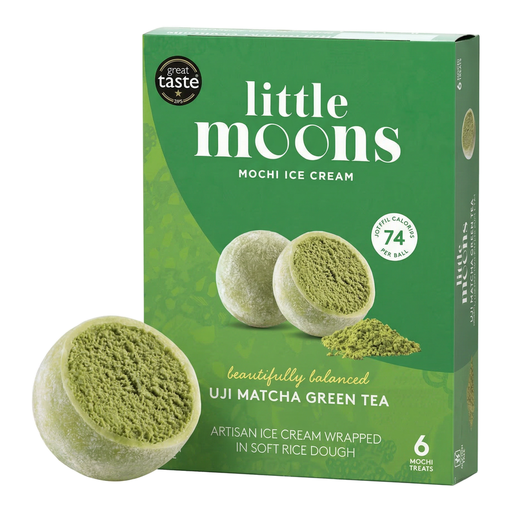
Why It Stands Out: Little Moons uses authentic Uji matcha to craft an ice cream core that showcases the refined, slightly bitter nuances of Japanese green tea. At 32 g per piece across a six-pack, these mochi offer a slightly more generous bite that softens gently after resting three to five minutes on the counter. The contrast between the cool green tea cream and the soft rice shell creates a classic dessert experience.
Pros:
- Distinctive Uji green tea profile with subtle herbal bitterness
- Generous 32 g individual pieces providing a satisfying bite
- Quick resting window of three to five minutes for ideal softness
Who is it for? Fans of traditional Japanese matcha who want an aromatic, bittersweet profile in a classic mochi format.
Korean Wafer Sandwich: Binggrae Samanco Red Bean Ice Cream Sandwich 4 Pack
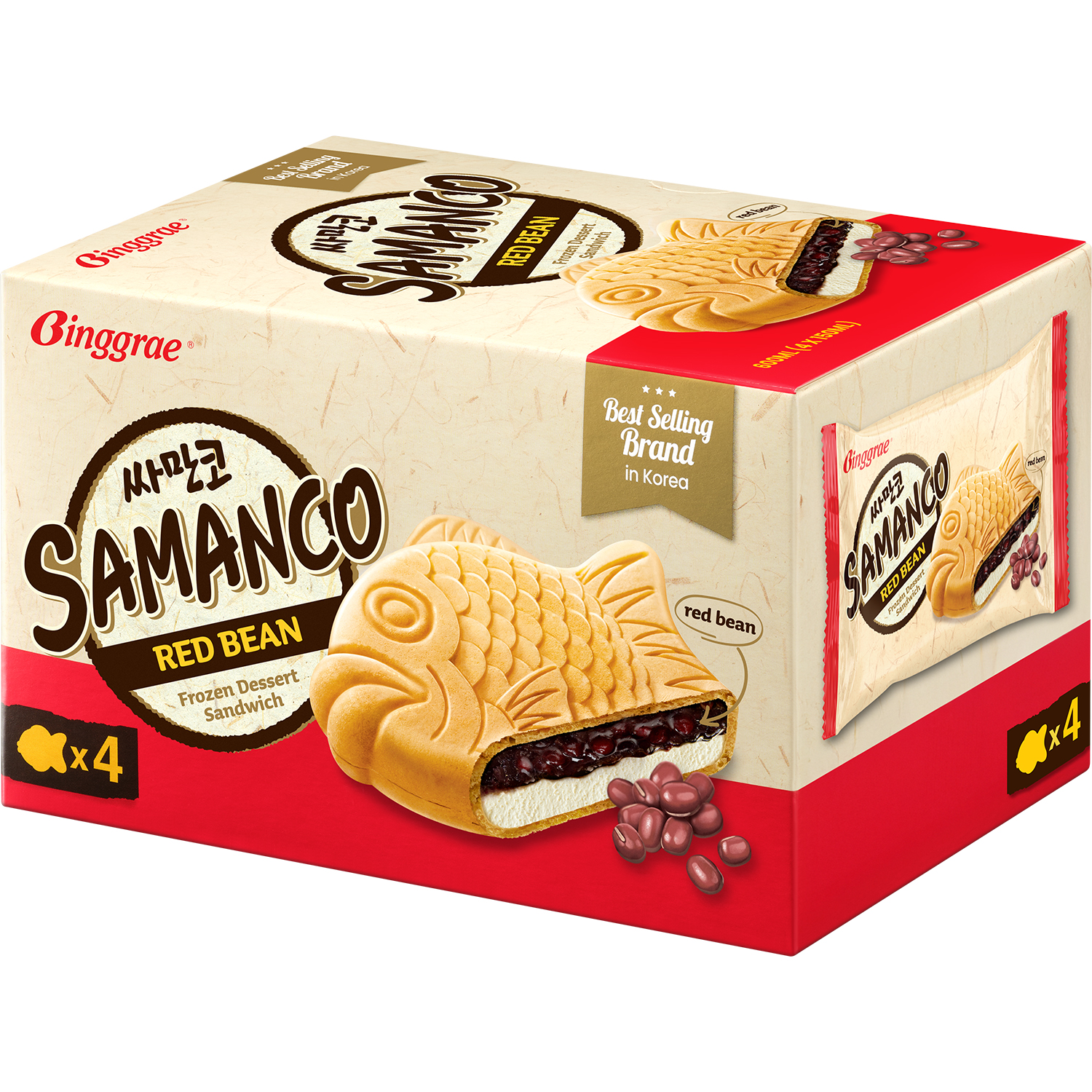
Why It Stands Out: Binggrae Samanco takes a different structural approach with a playful fish-shaped wafer exterior holding creamy vanilla-style ice cream and sweet red bean paste. The wafer casing keeps fingers clean while providing a light crunch that complements the dense adzuki bean layer. Packed as four substantial ice cream sandwiches, it serves as a hearty standalone snack.
Pros:
- Classic combination of creamy dairy and sweet adzuki red bean paste
- Mess-free wafer casing suitable for casual handheld snacking
- Substantial sandwich portion format in a four-piece multipack
Who is it for? Anyone looking for a traditional Korean street-food inspired dessert sandwich with distinct textural layers.
Frequently Asked Questions
How does classic mochi ice cream differ from a Korean Samanco sandwich?
Classic mochi ice cream uses an elastic outer layer of pounded glutinous rice dough enclosing a round ball of ice cream. In contrast, a Samanco sandwich features a shaped baked wafer biscuit filled with ice cream and a ribbon of sweetened red bean paste, delivering a crisp handheld pastry texture rather than a chewy bite.
How long should mochi ice cream thaw before eating?
Mochi ice cream is best enjoyed after resting at room temperature for approximately three to five minutes. This short period allows the outer rice skin to regain its signature soft, stretchy consistency while keeping the ice cream core firm enough to hold its shape.
What freezer storage conditions keep the dough texture fresh?
Keep mochi and ice cream sandwiches stored consistently at or below minus 18 degrees Celsius. Minimise temperature fluctuations and keep the outer packaging tightly sealed to prevent freezer burn, which can dry out the delicate rice casing or turn wafer biscuits soft.