
Asian Instant Noodles: A Buyer’s Guide for Smarter Choices
As a Joybuy Product Recommendation Officer, I analyse market data to give you objective and practical shopping advice. The goal is to help you see through marketing hype and find the right products for your needs.
Asian instant noodles are a quick, affordable, and tasty meal. However, the huge selection can be overwhelming, and not every product lives up to the promise on its colourful packaging. Before you buy your next pack of ramen, you should know the common pitfalls that can lead to disappointment.
Common Pitfalls When Buying Instant Noodles:
- Misleading package photos: The picture shows a bowl full of fresh ingredients, but the contents are often limited to the noodles and a small sachet of seasoning powder with a few dried vegetable flakes.
- Vague "authentic" flavour claims: Many products advertise an "authentic" taste but use generic spice blends that lack distinctive regional flavours. A truly Korean or Chinese noodle soup is defined by specific ingredients.
- High sodium content and complex ingredient lists: Long, hard-to-understand ingredient lists can hide extremely high salt levels that quickly exceed the recommended daily intake.
What to Look For Before You Buy
To make an informed decision that suits your taste preferences and lifestyle, you should check three key parameters.
1. Noodle Texture: Fried vs. Non-fried
The noodle production method has a significant impact on texture and taste.
- Fried Noodles: Most conventional instant noodles are flash-fried for dehydration. This process allows for very quick preparation (often just 3 minutes in hot water) and gives the noodles their familiar, slightly porous texture that absorbs broth well.
- Non-fried Noodles: These noodles are air-dried, which takes longer. Their texture is often smoother and firmer, comparable to freshly cooked pasta. They are preferred by many who want a more 'al dente' noodle. Preparation can take slightly longer.
2. Broth Base and Flavour Profile
The soul of any bowl of ramen is its broth. Pay attention to the ingredients in the seasoning packets to assess the authenticity of the flavour.
- Korean Noodles: Look for ingredients like gochujang (fermented chilli paste) or kimchi powder for the typical spicy-sour taste. Products like Nongshim Kimchi are a well-known example.
- Chinese Noodles: A spicy noodle soup from the Sichuan region should contain ingredients like Sichuan pepper and Pixian bean paste, which provide the characteristic "mala" (numbing and spicy) aroma. A Chinese-style beef ramen is often based on a rich broth simmered with spices like star anise.
- Cup Noodles: These are designed for maximum convenience. The quality of the broth is crucial here, as it's often the only flavour component besides the noodles.
3. Packaging Type and Portion Size
The choice of packaging depends on how you plan to use it.
- Cup Noodles: Ideal for the office, university, or on the go. You only need hot water and no extra dishes. Preparation is simple and clean.
- Bagged Packaging (Bulk Pack): These often contain 5 or more individual servings and typically offer better value for money. They are excellent for stocking up at home and offer more flexibility in preparation, as you can enhance the noodles in your own bowl with additional toppings. If you regularly order instant noodles online, such bulk packs are an economical choice.
Recommended Picks for Different Needs
Here are some recommendations tailored to different needs and preferences.
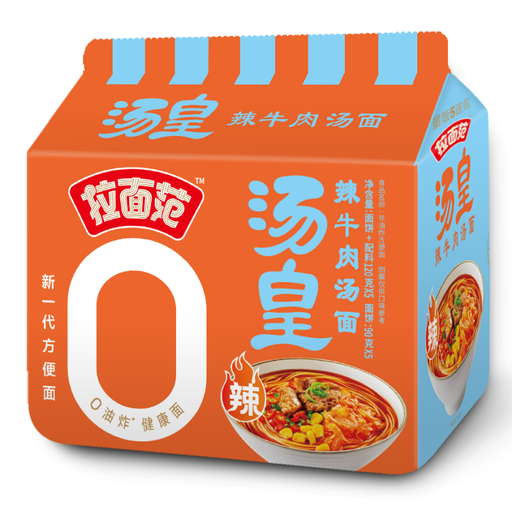
Lamianfan Ramen King Spicy Beef Soup Noodles 5-Pack 120g*5
Why it's a great fit: Ideal for anyone seeking a complex and robust heat that goes beyond generic chilli notes. The flavour is deeply rooted in Sichuan cuisine.
It bypasses the "vague authentic flavour" trap by using specific ingredients like Pixian bean paste and Sichuan pepper, which ensure a genuine taste experience.
Non-fried noodles for a smooth, al dente texture. The bulk pack of five servings offers great value for money.
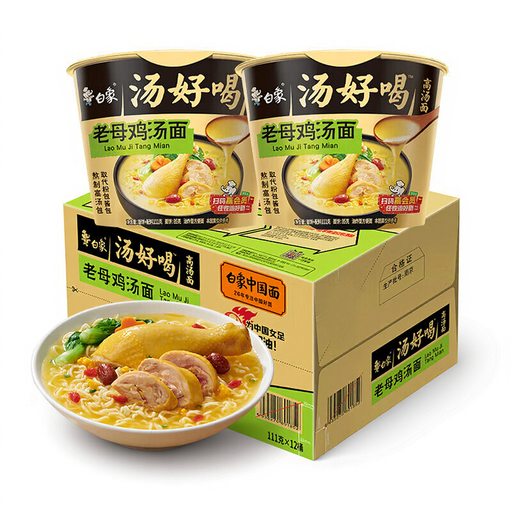
Baixiang Soup Series Instant Noodles, Homestyle Chicken Soup, Cup, 107g × 12
Why it's a great fit: Perfect for students or professionals who need a quick, simple, and comforting meal with no cooking required. The cup packaging is ideal for a lunch break.
Avoids the disappointing packaging trap by placing a clear focus on the quality of the broth. The "Delicious Soup" series is known for its rich chicken broth.
Cup noodles for maximum convenience. The non-fried noodles offer a pleasant texture. Delivered in a case of 12 for practical stocking.
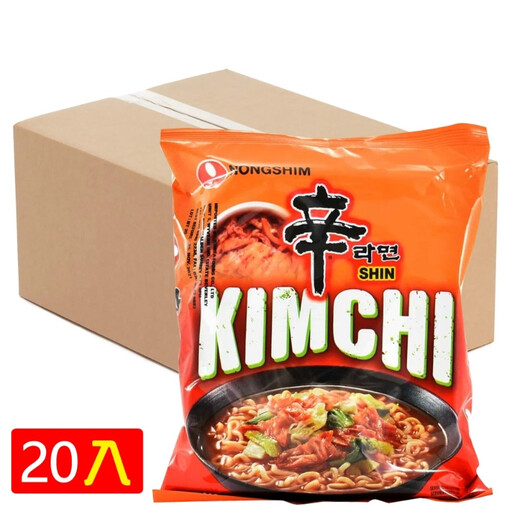
Nongshim Instant Noodle Soup Kimchi, 20 x 120g
Why it's a great fit: This bulk package is ideal for families or shared flats looking to stock up. The kimchi flavour is a beloved classic of Korean cuisine.
Nongshim is one of South Korea's leading noodle brands. This guarantees high brand recognition and a reliable, authentic kimchi flavour profile.
The 20-unit bulk pack (2.4 kg total) offers outstanding value for money. Preparation is simple and fast.
Looking for More Options?
We have compiled a complete, up-to-date list of products that fully meet these strict selection criteria.
Frequently Asked Questions (FAQ)
1. What is the difference between fried and non-fried instant noodles?
Fried noodles are flash-fried for preservation, which gives them a slightly porous texture and allows for very quick preparation. Non-fried noodles are air-dried, often have a firmer, smoother texture, and are considered by some to be a closer alternative to freshly cooked noodles.
2. How do I properly store opened bulk packs of Asian instant noodles?
Instant noodles are dry and have a long shelf life. Store the bags in their original packaging or in an airtight container in a cool, dry place away from direct sunlight. This best preserves their flavour and texture.
3. Can I prepare instant noodles without cooking them on a stove?
It depends on the product. Many cup noodles and some bagged noodles are designed to be prepared simply by adding boiling water and letting them steep for a few minutes. Others, especially non-fried varieties, often require a short cooking time of 3-5 minutes in a pot to achieve the desired consistency. Always check the preparation instructions on the package.