
Asian Instant Noodles: Choosing Varieties Without Buyer’s Remorse
The selection of Asian instant noodles on store shelves and in online shops is vast. From savoury soups to fiery stir-fried noodles, the variety can be overwhelming. However, not every product delivers on the promise of its colourful packaging. Many shoppers stick to familiar brands or are swayed by marketing claims, only to be disappointed later. Before you buy your next supply of instant ramen online, you should be aware of the common pitfalls.
The most common problems when buying are:
- The 'Authenticity' Trap: Many products use terms like "authentic" or "traditional" but consist of nothing more than standard wheat noodles with a generic seasoning packet. The true character of a regional noodle speciality, however, lies in the specific noodle texture and the complex blend of spices.
- The Spice-Level Misinterpretation: A high Scoville rating or fire-red packaging doesn't guarantee an enjoyable experience. Information is often missing about the type of heat—be it a fruity chilli note, the numbing "mala" spice of Szechuan peppercorns, or just a pure, burning heat. This often leads to a one-dimensional taste experience.
- The Bulk-Buying Fallacy: A large bulk pack seems economical at first glance. But if the flavour turns out to be a mismatch for your palate, you're left with a large quantity of noodles you don't enjoy.
What Really Matters: Noodle Type, Flavour Profile, and Packaging
To make an informed decision that goes beyond packaging design, you should examine three key product characteristics. These parameters are crucial in determining flavour, texture, and convenience.
Noodle Type and Texture: The Foundation of the Dish
The noodle is more than just a vehicle for the sauce. Its texture is critical to the mouthfeel.
- Standard Instant Noodles (Fried): This is the most common type. The noodles are pre-fried, which shortens the cooking time and gives them a porous structure that absorbs broth well. They are the base for many classic instant ramen varieties.
- Non-Fried Noodles: These noodles are air-dried. They often have a lower fat content and a firmer, smoother texture reminiscent of freshly cooked pasta. They are well-suited for clear broths and light sauces.
- Speciality Noodles (e.g., Knife-Cut Noodles): Wider, flatter noodles, like those found in Chinese noodle cuisine, offer a particularly satisfying and chewy texture. They are ideal for thick, clinging sauces.
Flavour Profile and Origin: A Culinary Journey Through Asia
The seasoning mix defines the character of the dish. The most important regional differences are:
- Indonesian (e.g., Indomie Mi Goreng): Typically prepared as a stir-fried noodle dish (without soup). The flavour profile is a balanced mix of sweet soy sauce (Kecap Manis), savoury notes, garlic, and a mild heat.
- Korean (e.g., Samyang Ramen, Nongshim Shin Ramyun): Known for intense and often very spicy noodles. The profile is frequently a combination of heat (Gochujang-based) and a slight sweetness. Korean noodles are available as both soup (Ramyun) and stir-fried (Buldak) varieties.
- Japanese (e.g., Tonkotsu Ramen): The focus here is on the broth. Japanese ramen is distinguished by complex, umami-rich soups, for instance, based on pork bones (Tonkotsu), soy sauce (Shoyu), or miso. The spice level is usually subtle.
- Chinese (e.g., Chongqing Noodles): Chinese cuisine offers enormous diversity. A well-known profile is the "mala" spice from Sichuan, which uses Szechuan peppercorns to create a characteristic, slightly numbing sensation on the tongue.
Packaging Type: Cup, Pouch, or Bulk Pack?
The packaging affects not only the price but also the flexibility.
- Noodle Box / Cup: Perfect for the office or on the go. A kettle is all you need, with no extra dishes required. The downside is often a higher price per serving and more packaging waste.
- Pouch (Single or 5-Pack): The standard packaging for home use. It requires a pot and a bowl but offers the flexibility to enhance the dish with fresh ingredients.
- Bulk Pack / Box: The most cost-effective option for your tried-and-true favourites. Ideal for families, shared flats, or stocking up.
Picks for Different Flavour Profiles
Here are some recommendations tailored to specific preferences that avoid the pitfalls mentioned above.
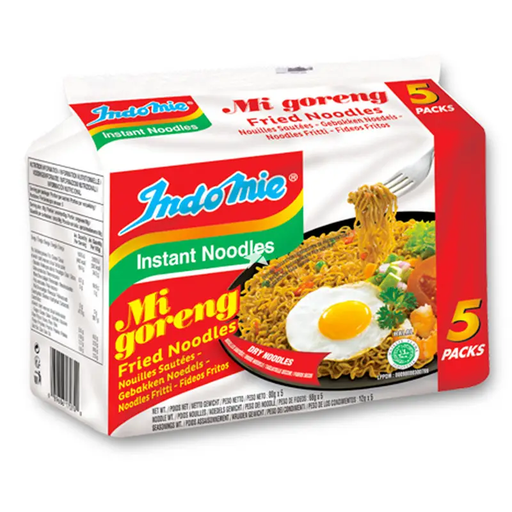
Indomie Noodle Mi Goreng 5 x 80g (5-pack)
Why This Fits Their Persona: Ideal for anyone seeking the iconic flavour of Indonesian stir-fried noodles. This product is a globally recognised standard for a quick, satisfying, and well-balanced meal.
It bypasses the 'authenticity' trap by delivering exactly what it promises: the unmistakable sweet and savoury Indomie Mi Goreng flavour that doesn't try to be anything else.
The set of seasoning oil, sweet soy sauce, spice powder, and fried onions creates a multi-layered flavour experience. Preparation is straightforward and fast.
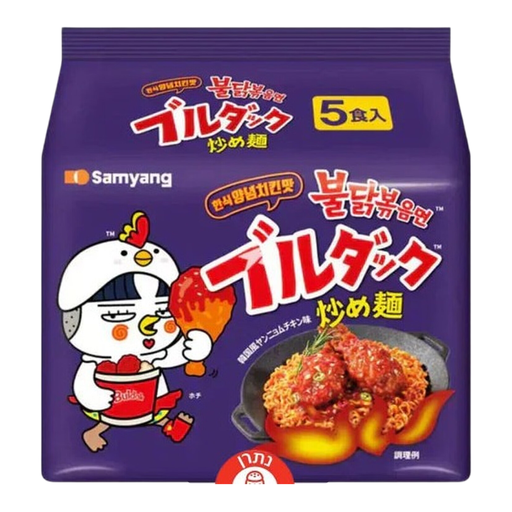
Samyang Sweet & Spicy Fried Chicken Ramen 140 g x 5 packs
Why This Fits Their Persona: For those specifically seeking the popular, intense heat of Korean noodles. This product is a staple in the world of spicy noodles and offers a true challenge for the palate.
It avoids the spice misinterpretation trap by offering a specific, sweet-and-spicy flavour profile that goes beyond pure heat. The sweetness balances the intense fire.
The thick, chewy noodles of the Samyang Ramen hold the sticky sauce perfectly, ensuring an intense flavour experience with every bite.
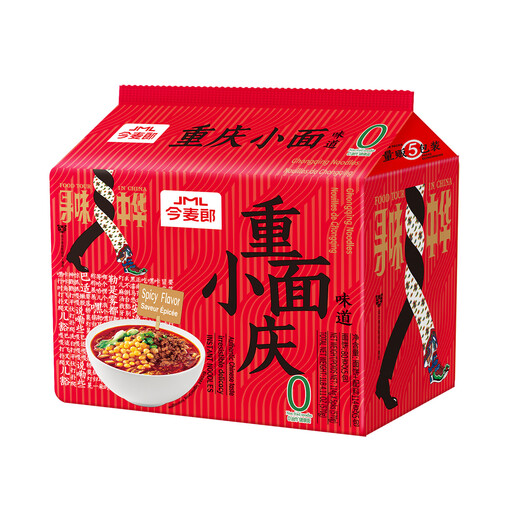
Jin Mai Lang – Chongqing Style Noodles
Why This Fits Their Persona: Perfect for culinary adventurers craving an authentic taste experience off the beaten path. These noodles bring the characteristic flavour of Chongqing's street food into your home.
This product offers true regional specificity. The sauce contains Szechuan pepper, which creates the typical numbing-spicy 'mala' note—a world away from generic heat.
The non-fried noodles have a pleasantly chewy texture. The combination of chilli, sesame, and Szechuan pepper delivers a complex and unforgettable flavour profile.
Looking for more options?
We have compiled a complete, up-to-date list of products that fully meet these strict selection criteria.
Frequently Asked Questions
How do you properly prepare Asian instant noodles to optimise the flavour?
Read the instructions carefully, as methods vary. For stir-fried noodles like Mi Goreng, the noodles are cooked, the water is almost completely drained, and only then are the seasonings mixed in a bowl. For soup noodles, the seasonings are added directly to the cooking water. Pro tip: Elevate your dish by adding fresh ingredients like a boiled egg, spring onions, or pak choi.
What is the difference between Japanese Ramen, Korean Ramyun, and Indonesian Mi Goreng?
The main difference lies in the flavour profile and preparation method. Japanese ramen are soup noodles with a focus on a rich, complex broth. Korean Ramyun are also typically soup noodles but are characteristically very spicy. Indonesian Mi Goreng are stir-fried noodles without soup, mixed with a sweet and savoury sauce.
Are bulk packs of instant noodles worth the money?
A bulk pack generally offers the best price per serving and is ideal once you've found your favourite variety. For beginners or adventurous eaters, however, it's advisable to first try smaller packs or different single varieties to avoid making a large-scale purchasing mistake. This way, you can be sure that investing in a larger supply is also a worthwhile investment in taste.