
Asian Fish Snacks: A Guide to Choosing With Confidence
By Joybuy Product Recommendation Officer, August 28, 2026
Asian fish snacks are rapidly growing in popularity. They offer intense flavour experiences, from spicy and hot to smoky and sweet, and are often a welcome change from conventional crisps or nuts. However, buying them online can lead to disappointment when the product doesn't meet expectations. Many consumers report similar issues: the texture is different than described, the spice level is unsuitable, or the snack turns out to be less nutritious than hoped. This guide will help you avoid the most common pitfalls and make an informed choice.
The 3 Most Common Pitfalls When Buying Fish Snacks
Before you make your selection, you should be aware of the common discrepancies between product descriptions and reality.
- Misleading Texture Descriptions: A dried fish snack advertised as "tender" or "chewy" can turn out to be extremely hard and tough, which significantly detracts from the enjoyment. Conversely, snacks that are supposed to be crispy might arrive soft or soggy, often as a result of improper packaging or storage.
- Vague Spice Level Ratings: The term "spicy" is subjective. A spicy fish snack by Thai standards can be extremely fiery for the Western palate, while a version declared "savoury" may have hardly any heat. This often leads to purchasing products that are either too mild or inedibly hot.
- The "Healthy" Snack Illusion: Many fish snacks are marketed as high-protein snacks. While fish itself is a good source of protein, some products contain high amounts of sugar, salt, or flavour enhancers in their marinades and glazes. This can negate the supposed health benefits and may not align with the goals of fitness-conscious consumers.
What to Look for Before You Buy: 3 Decisive Criteria
To make the right choice, it's helpful to check three core parameters. These provide objective clues about flavour, texture, and quality.
1. Fish Type and Processing Method
The type of fish and how it's processed are key determinants of the chewing experience. There are two main forms:
- Whole, Dried Fish: These are often small fish like anchovies (anchovy snack). They are dried whole and seasoned. These snacks typically have a firm, very chewy texture and a concentrated, salty fish flavour. Brands like Jin Zai Snack are well-known for this type of product.
- Processed Fish Paste (Surimi): Products made from surimi, often used for Thai snacks, consist of minced and formed fish meat. The result is a more uniform, often softer or strip-like texture. They are usually milder in taste and readily absorb the flavours of the seasoning.
2. Seasoning Style and Origin
The flavour profile is closely linked to the snack's culinary origin.
- Chinese Fish Snacks: These are often characterized by complex, salty-savoury flavours. Typical ingredients include soy sauce, star anise, Szechuan pepper (for the "mala" sensation), and various spice blends.
- Thai Fish Snacks: Here, a balance of sweet, sour, and spicy dominates. Ingredients like chilli, sugar, tamarind, and lime are common, creating an intense, multi-layered flavour experience.
- Japanese Fish Snacks: These are often more subtly seasoned, with the pure fish or seafood flavour (umami) taking centre stage, frequently complemented by soy sauce, mirin, or seaweed (nori).
3. Nutritional Profile: Protein vs. Additives
For anyone looking for a functional, high-protein snack, a look at the nutrition label is essential. Pay attention to the ratio of protein to carbohydrates and sugar. A high-quality protein snack should have a high protein content with low sugar and carbohydrate levels. Also, check the ingredients list for the position of sugar and salt. If they appear early in the list, their proportion is correspondingly high.
Top Flavour Profile Picks
Here are some recommendations tailored to different preferences and use cases.
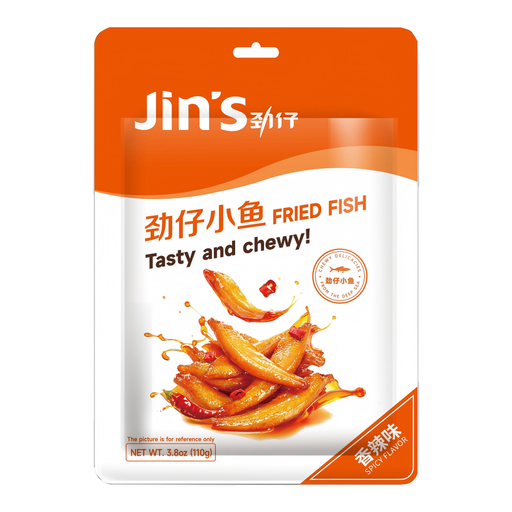
Jin Zai Deep Sea Small Fish Spicy Flavour 110g
Why This Fits Their Persona: Ideal for anyone seeking an authentic, hot, and savoury snack popular in Chinese cuisine. The whole small fish provide an intense flavour experience and a firm texture.
This product avoids the vague spice-level trap. The seasoning is explicitly declared as "Spicy Flavour" and delivers a present but balanced heat. The texture is clearly defined as firm and chewy, thanks to the use of whole fish.
High protein content of 25.8g per 100g. The convenient individual packets (11 small bags) maintain freshness and make portion control easy.
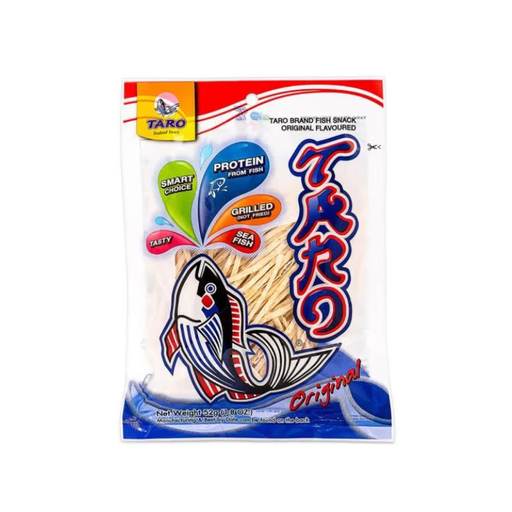
Taro Fish Snack Original Flavour 52g
Why This Fits Their Persona: Perfect for newcomers to the world of Asian fish snacks or for those who prefer an interesting texture without extreme heat. The strip-like form is unique and versatile.
The texture is the main feature here and is clearly defined: thin strips of fish paste. The "Original Flavour" version bypasses the spice trap, offering a mild, salty-sweet umami taste that serves as a baseline for further exploration.
Made from 67.4% real fish meat (lizardfish). The texture can be altered by briefly heating it in the microwave to create a crispy chip.
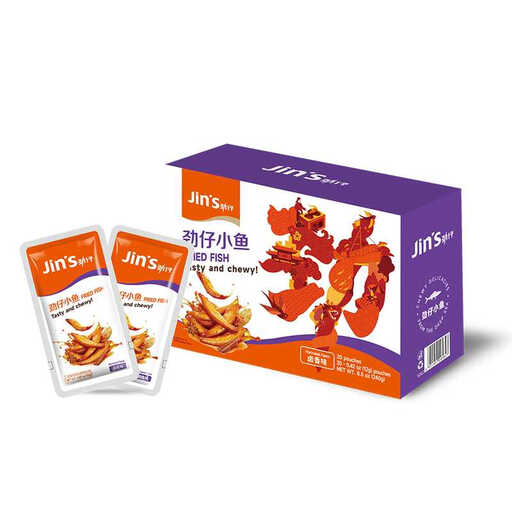
Jin Zai Deep-Sea Small Fish, Braised Flavor, 240g
Why This Fits Their Persona: Designed for individuals seeking a high-protein, low-carb snack. The savoury but not overly spicy flavour makes it an ideal post-workout companion or a satisfying in-between meal.
This product avoids the "hidden sugar" trap. With only 3.2g of carbs per 100g and a very high protein content, it's a transparent choice for a conscious diet. The nutritional information is clear and confirms the focus on protein.
Exceptionally high protein content of 31.8g per 100g. The bulk pack with 20 individually wrapped portions is ideal for stocking up and regular consumption.
Looking for More Options?
We've compiled a complete, up-to-date list of products that fully meet these strict selection criteria and local regulations.
Frequently Asked Questions (FAQ)
1. How do you store Asian fish snacks properly to keep them fresh?
Most fish snacks are shelf-stable and should be stored in a cool, dry place away from direct sunlight. After opening a larger pack that doesn't contain individual portions, it's best to transfer the contents to an airtight container. This prevents the snacks from absorbing moisture and losing their texture. Products in individually vacuum-sealed bags, like many of the Jin Zai Snacks, stay fresh longer even after the outer packaging is opened.
2. Are Asian fish snacks a good source of protein?
Many varieties are. A dried fish snack made from whole fish like anchovies can be very rich in protein. However, it's important to check the nutrition label. Look for a high protein-to-carbohydrate ratio. The salt (sodium) and sugar content can vary significantly depending on the brand and flavour. Therefore, a conscious choice is crucial if the snack is intended to be part of a fitness-oriented diet.