
Asian Fish Snacks Buyer's Guide
Asian fish snacks are surging in popularity in the UK, offering a savoury, umami-rich alternative to conventional crisps and nuts. However, first-time buyers are often faced with a daunting selection. Vague product descriptions or exaggerated marketing claims can easily lead to a disappointing taste experience. This guide will help you navigate the common pitfalls and find the perfect snack to match your palate.
As a Joybuy Product Recommendation Officer, my job is to filter market information and provide you with objective, practical advice so you can make an informed decision.
Common Pitfalls When Buying Fish Snacks
Before making your selection, you should be aware of three common issues that often lead to purchase regret:
- Misleading "Authenticity": Many products are marketed as "Asian" without reflecting a specific regional flavour profile. A Thai snack tastes significantly different from a Chinese one. Vague labels often create false expectations.
- Unexpected Textures: Texture is crucial for fish snacks. The range spans from chewy, leathery strips and crispy baked sheets to whole, dried fish. Product images alone rarely convey these differences, which can lead to disappointment.
- Hidden Sugar and High Sodium: Despite being savoury snacks, many varieties contain a high amount of sugar to balance spiciness or enhance flavour. Likewise, the sodium content can be very high. A quick look at the nutrition label is therefore essential.
What to Look For Before You Buy: The Key Parameters
To find the right fish snack, you should check three key features. These will help you compare products objectively and make a choice that suits your preferences.
1. Snack Type: Strips, Flakes, or Whole Fish?
The way the fish is processed is the main determinant of texture and mouthfeel. There are three main types:
- Fish Strips or Flakes: These are often surimi-based (fish paste) products or pressed and seasoned fish meat formed into thin sheets or strips. A well-known example is the Taro Fish Snack. These snacks are typically chewy to slightly crispy and absorb seasonings very well.
- Whole Dried Fish: Small fish, such as anchovies, are dried and seasoned whole. These offer a firm, very chewy texture and an intense fish flavour. Products like the Jin Zai Small Fish fall into this category and are typical of many Chinese snacks.
- Squid Snacks: Dried and seasoned squid (squid snack) is also very popular. It has a particularly tough, almost rubbery consistency and is often offered in spicy or sweet marinades. The Bento Fish Snack is a prominent example from Thailand.
2. Flavour Profile: From Mild & Savoury to Fiery Hot
The flavour profile is the second decisive factor. Spicy fish snacks can vary widely:
- Thai Snacks: Often characterised by a complex balance of sweet, sour, and spicy. Chilli, sugar, and lime are common ingredients.
- Chinese Snacks: These are often dominated by savoury, salty, and umami-rich notes, frequently from soy sauce and spice blends like five-spice powder. The numbing heat of Szechuan peppercorns (mala) is also common.
- Mild and Smoky Varieties: There are also milder versions with BBQ or Original flavours, which are well-suited for beginners.
3. Protein Content and Nutritional Value
Many consumers value fish snacks as protein-rich snacks. A look at the nutritional information per 100g reveals the actual protein content. Values over 20g per 100g are a good benchmark here. At the same time, you should keep an eye on the sugar and salt (sodium) content to make a conscious choice.
Explore These Coffee Selections
Here are some recommendations tailored to different preferences and requirements.
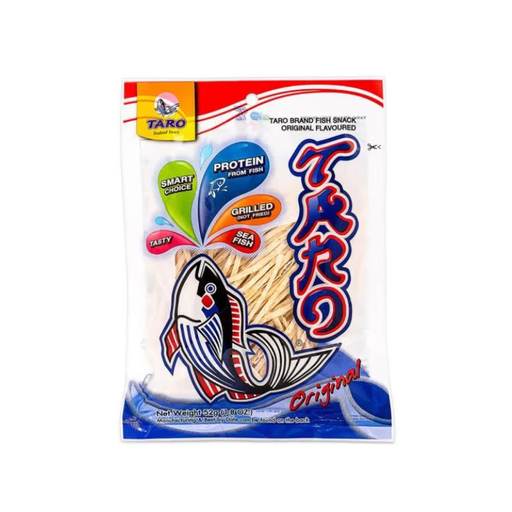
Taro Fish Snack Original Flavour 52g
Why This Fits Their Persona: Ideal for anyone new to the world of fish snacks. The flavour is savoury, salty, and umami-rich but not spicy, making it very approachable. The texture of the strips is satisfyingly chewy.
This snack is a classic from Thailand and delivers an authentic yet mild taste experience. The texture is exactly what you'd expect from a fish strip snack, with no unpleasant surprises.
Balanced, non-spicy flavour. High protein content of 28g per 100g.
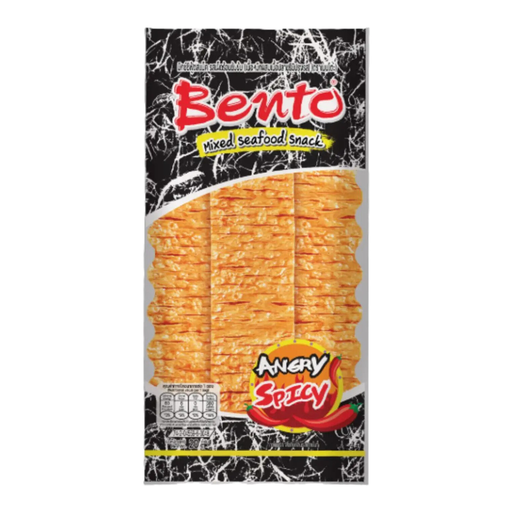
Bento Fish Snack Angryspicy Seafood Flavour 20g
Why This Fits Their Persona: For those who like it truly hot. This Thai squid snack is known for its intense, fiery seasoning, which is complemented by a slight sweetness. The texture is tough and provides a long-lasting chew.
The "Angryspicy" label is not an exaggeration. The snack delivers the expected heat and won't disappoint lovers of spicy fish snacks. The ingredients list, with 40% squid, is transparent.
Very intense and authentic Thai heat. A combination of squid and surimi for a complex texture.
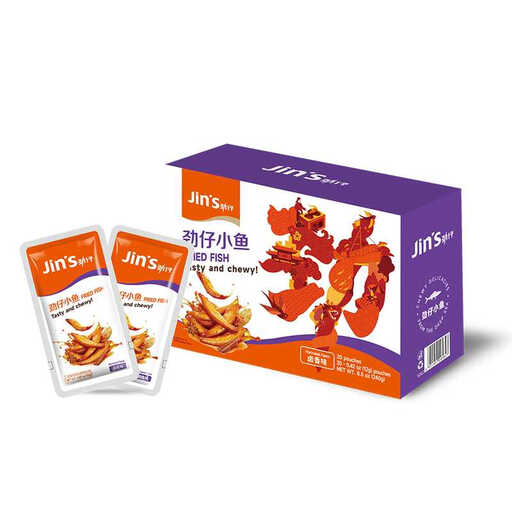
Jin Zai Deep-Sea Small Fish, Braised Flavor, 240g
Why This Fits Their Persona: This Chinese snack made from whole small fish is an excellent source of protein. The flavour is savoury and marinated ("braised") and not overly spicy, allowing the rich fish taste to take centre stage.
This product delivers what it promises: a high-protein snack. At 31.8g of protein per 100g, this figure is objectively high and not just an empty marketing slogan. The individual packaging also helps with portion control.
Very high protein content. Authentic texture from whole fish. Convenient individual portions.
Looking for more options?
We've compiled a complete, up-to-date list of products that meet these strict selection criteria.
Frequently Asked Questions (FAQ)
How should I store Asian fish snacks?
Most fish snacks should be stored in a cool, dry place away from direct sunlight. After opening the main package, it is advisable to store the contents in an airtight container and consume them promptly to maintain their texture. Many products, especially from brands like Jin Zai, are individually wrapped, which preserves freshness.
Are Asian fish snacks a healthy choice?
Fish snacks can be a good source of protein and an alternative to high-fat or high-carbohydrate snacks. However, it is important to check the nutritional information. Pay attention to the sodium and sugar content, which can vary greatly depending on the brand and flavour. They are intended as a treat and a snack for in-between meals, not as a meal replacement.
What do you eat fish snacks with?
Asian fish snacks are versatile. They can be enjoyed straight from the pack as an on-the-go snack or with a drink. In many Asian countries, they are a popular pairing for beer. Additionally, they can be used as a topping for dishes like rice, porridge (congee), or salads to add an extra savoury and zesty note.