
Wooden Acoustic Panels: Avoid Costly Mistakes and Choose Well
By a Joybuy Product Recommendation OfficerPublished July 28, 2026
Poor room acoustics can disrupt concentration in a home office and mar the sound experience in your living room. Wooden acoustic panels promise a solution that combines functionality with modern design. However, the market is crowded, and not every product that looks good will actually improve the sound. Before you make a decision, it's crucial to understand the most common pitfalls to avoid a poor investment.
The 2 Most Common Pitfalls When Buying Acoustic Panels
Many buyers focus solely on aesthetics, overlooking critical functional shortcomings. This often leads to disappointment when the desired acoustic improvement fails to materialise.
- The Material Deception: A major problem is panels that only have a wood-look finish. These are often just printed foam or thin plastic films on a low-quality backing material. While such products might be decorative as
3D wood effect wall panels, they offer negligible sound-absorbing properties. Real wood or a dense engineered wood, combined with acoustic felt, is essential for effective sound absorption. - Confusing Sound Absorption with Soundproofing: Many people hope that acoustic panels will provide complete
soundproofingfor their living room or office, blocking noise from outside or from neighbours. However, acoustic panels are primarily sound absorbers. Their job is to reduce reverberation within a room, thereby improving sound quality and speech clarity. They are not designed to significantly prevent the transmission of sound through walls.
What to Look for Before You Buy: The Key Parameters
To ensure you get a product that delivers on both aesthetics and function, you should check three key parameters.
1. Material Construction: Core, Surface, and Backing
The effectiveness of an acoustic panel is directly linked to its construction. A proven design for slatted wood acoustic panels consists of three layers:
- Surface: Slats made of MDF (Medium-Density Fibreboard) with a real wood veneer offer an authentic and durable appearance.
- Core Material: A dense wood fibreboard core contributes to stability and absorption.
- Backing: A layer of acoustic felt is critical. The felt absorbs the sound waves that pass through the slats and converts them into thermal energy. As a rule, the thicker and denser the felt, the better the absorption performance, especially at lower frequencies.
2. Installation Method and Application
The installation method affects not only the effort involved but also the acoustic performance.
- Adhesive: The simplest method for smooth walls, ideal for DIY projects.
- Screws: Provides the most secure hold, especially on ceilings or uneven walls. A key advantage of this method is the ability to create an air gap between the panel and the wall. This gap can further enhance sound absorption, particularly in the bass range.
For modern wood wall panelling, rigid panels are suitable. Flexible panels, such as those made from bamboo, offer creative possibilities for covering columns, furniture, or even curved ceilings.
3. Format and Coverage Area
A single small panel will hardly change the acoustics of an entire room. A sufficient coverage area is necessary for a noticeable effect. Pay attention to the total area a set covers. Large sets are often designed for creating a full accent wall in an office acoustic panel setup or living room and offer better value for money for larger projects.
Top Picks for Every Need
Here are some product recommendations tailored to different needs and use cases.
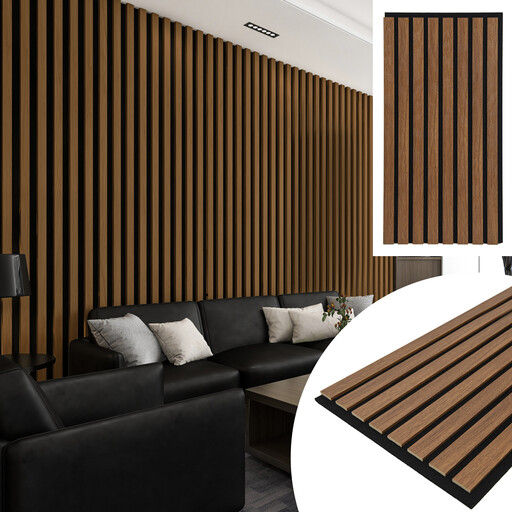
Walnut 3D Acoustic Panels - Set of 4 (30x60cm)
Why it's a great fit: This 4-piece set is ideal for beginners looking to visually and acoustically enhance a smaller area, like the space behind a desk or television. The classic walnut finish and simple installation make it a straightforward starter project.
The panel features a real wood slat construction on a felt backing, not printed foam. It is clearly declared as a sound absorber for reducing reverberation, setting realistic expectations and not making false claims about soundproofing.
Combines a modern 3D slatted look with a noticeable reduction in echo. The lightweight design and option for adhesive mounting make installation uncomplicated.
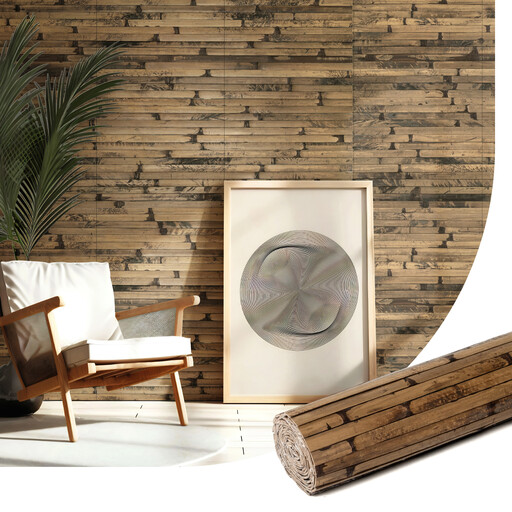
Art3d Premium Carbonized Bamboo Wall Panel | Dark Burned Grain Texture
Why it's a great fit: For creative projects that go beyond simple wall cladding. As a flexible roll, this panel can also be used to cover furniture, counters, or curved walls. The material, made from renewable bamboo, appeals to eco-conscious users.
This is 100% carbonised bamboo, a genuine natural material, not an imitation. Its primary function as a decorative covering with secondary sound-dampening effects is clearly communicated, which creates realistic expectations.
High flexibility for creative applications on diverse surfaces. The material is robust and made from a rapidly renewable resource.
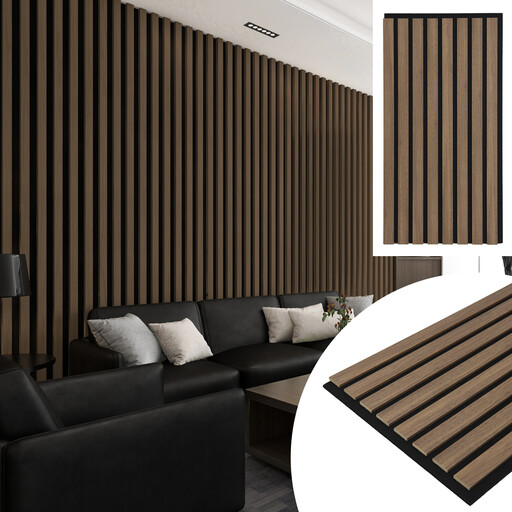
Art3d Acoustic Panels Dark Walnut | 3.6 m? 20Pack
Why it's a great fit: This 20-panel set covers an area of 3.6 m?, making it perfect for creating a full accent wall in an office, conference room, or large living room. It's designed for users who are aiming for a significant acoustic improvement.
The construction, featuring a dense MDF core with real wood veneer and a felt backing, is engineered for effective sound absorption. The set's large coverage area enables an effective acoustic treatment that goes beyond purely decorative purposes.
A large, all-in-one set for comprehensive coverage. The combination of material and design ensures a noticeable reduction in distracting reverberation in larger rooms.
Looking for More Options?
We've curated a complete, up-to-date list of products that meet these strict selection criteria and quality standards.
Frequently Asked Questions (FAQ)
Do acoustic panels improve soundproofing from neighbours?
Acoustic panels are primarily wall sound absorbers that reduce reverberation and echoes within a room. They improve speech clarity and create a quieter atmosphere. For effective soundproofing—that is, blocking noise from or to adjacent rooms—more extensive structural modifications are usually required. Panels can only offer minimal support in this regard.
How many acoustic panels do I need for my living room?
A general recommendation is to cover about 20–30% of a room's total wall surface with absorbent materials. Focus on the surfaces where sound reflects first (e.g., the wall opposite the speakers or the side walls next to the listening position). It's often wise to start with an accent wall and assess the acoustic impact before installing more panels.
Can I cut wooden acoustic panels myself?
This depends on the specific product. Panels made of wood slats on a felt backing can often be customised. The felt can usually be cut with a sharp utility knife, while a saw with a fine blade (like a Japanese saw) is recommended for the wood slats. Flexible bamboo panels are generally easier to trim. Always consult the manufacturer's specific instructions before cutting.