
Whole-Grain Snacks: Avoid Sugar Traps and Choose Nutritious Options
The search for a nutritious snack leads many to products labelled "whole-grain." However, not every snack marketed as healthy delivers on its promise. Often, appealing packaging hides products that have more in common with a sweet treat than a balanced option. This guide will help you identify the common pitfalls and make an informed choice.
The Most Common Pitfalls When Buying Whole-Grain Snacks
Before you make a purchase, it's helpful to understand the common marketing tactics that often obscure more than they inform.
- The "Whole-Grain Illusion": A product can be advertised as "made with whole grain" even if the proportion of whole-grain flour is minimal and the main ingredient is refined white flour. A darker colour is also not a reliable indicator of high whole-grain content; it can be created by adding malt extract or caramel syrup.
- Hidden Sugar Sources: Many products positioned as healthy snacks contain significant amounts of sugar. On the ingredients list, watch out for terms like glucose syrup, fructose, dextrose, or barley malt extract. The total sugar content listed in the nutrition table provides the crucial clue.
- Misleading Fibre Claims: The phrase "high in fibre" is not standardised. A look at the nutrition table is essential. A truly high-fibre snack should contain a significant amount per 100 grams, not just a minimal quantity that barely justifies a marketing claim.
What to Look For When Making Your Selection: The Key Parameters
To make an informed decision, focus on three objective criteria found on every product package.
1. The Actual Whole-Grain Content
The term "whole grain" means the entire grain kernel—germ, endosperm, and bran—has been milled. This ensures that valuable nutrients and fibre are preserved.
- What to check: Look for the exact percentage in the ingredients list. Statements like "whole-wheat flour (67%)" or "whole-grain oat flakes (50%)" are clear indicators. The higher up "whole grain" appears in the ingredients list and the higher the percentage, the better.
2. The Sugar-to-Fibre Ratio
A quick analysis of the nutrition table per 100 grams provides the most important information for a nutritious snack.
- Sugar: For savoury snacks like whole-grain crackers or pretzel sticks, a sugar content below 5 grams per 100 grams is a good benchmark. For sweeter options like whole-grain biscuits or whole-grain bars, it's important to evaluate the sugar content in the context of all ingredients.
- Fibre: A high fibre content helps you feel full. Products with more than 6 grams of fibre per 100 grams are considered high in fibre. Values over 10 grams are excellent.
3. The Length and Clarity of the Ingredients List
A shorter ingredients list is often a sign of a less processed product. If you can recognise and pronounce most of the ingredients, that's a positive signal.
- What to avoid: Watch out for a long list of emulsifiers, artificial flavours, and various types of sugar. These are often an indication that the taste and texture have been artificially optimised rather than relying on high-quality base ingredients.
Whole-Grain Snack Recommendations for Every Need
Here are some recommendations tailored to different requirements and preferences.

Wasa Whole Grain Rye Crispbread 260g
Why it's a good fit: Ideal for anyone looking for an unprocessed, versatile base for savoury or sweet toppings. It's a straightforward, honest product with no frills.
According to the manufacturer, this crispbread is made from 100% whole-grain rye flour, completely bypassing the "whole-grain illusion." With only 1.5g of sugar per 100g, it's an excellent choice for avoiding hidden sugar.
Extremely high fibre content of 20g per 100g. Versatile as a bread substitute or a light snack.
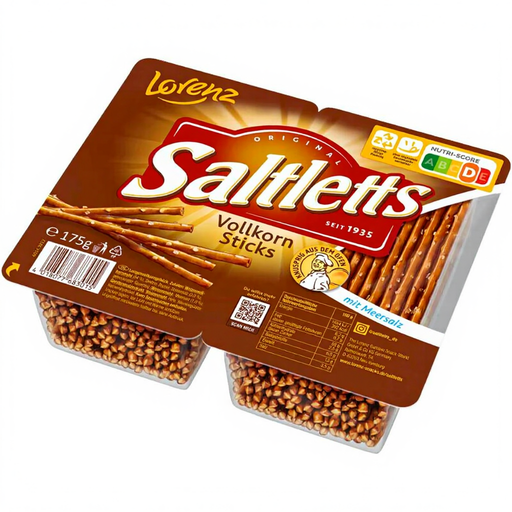
Lorenz Saltletts Wholemeal Salt Sticks 175g
Why it's a good fit: For those who want a classic crunchy snack but prefer a more health-conscious version. Perfect as an on-the-go snack or at your desk.
The manufacturer states a whole-grain content of 84% whole-wheat flour, which is a clear and honest declaration. The ingredients list is short and free from hidden sugars.
For a salty snack, it offers a good amount of fibre (6g/100g) and protein (13g/100g). The classic taste is preserved.
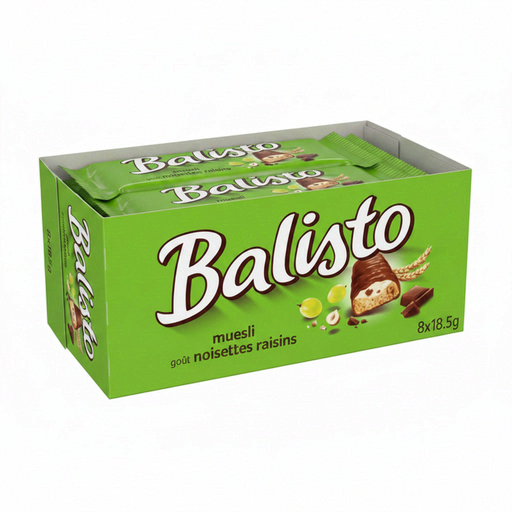
Balisto Muesli Whole Grain Biscuit Bars 8x18.5g
Why it's a good fit: A great choice for sweet cravings when you want a more balanced alternative to a standard chocolate bar. The combination of whole grain and chocolate satisfies the urge.
Although it contains sugar, the bar provides a solid base of fibre from whole-grain oat flakes, whole-wheat, and barley flour. It's a transparent compromise between indulgence and nutrition.
Convenient, individually wrapped portions help with portion control. According to the manufacturer, the cocoa is Rainforest Alliance certified.
Looking for More Options?
We have compiled a complete, up-to-date list of products that meet these strict selection criteria and represent a great choice for a conscious diet.
Frequently Asked Questions
1. How high should the fibre content be in a good whole-grain snack? A good benchmark is products with at least 6 grams of fibre per 100 grams. Such products can be described as high in fibre. Values over 10g/100g are particularly high and effectively contribute to satiety and healthy digestion.
2. Are whole-grain snacks automatically low-calorie? No, the term "whole grain" refers to how the grain is processed, not its calorie content. Whole-grain products provide more nutrients and fibre, which is beneficial. However, additional ingredients like nuts, seeds, oils, or chocolate can significantly increase the energy content. It is always advisable to check the nutrition table to assess both nutrient density and calorie count.
3. How can I identify genuine whole-grain content on the packaging? The most reliable indicator is the ingredients list. Make sure that terms like whole-wheat flour, whole-grain oat flakes, or cracked whole-grain rye appear first or second. Many manufacturers state the percentage of whole grain directly (e.g., "with 74% whole-grain content"), which provides a very transparent guide. The colour of a product alone is not a reliable sign.