
Wet Toilet Paper Buyer’s Guide: Prevent Clogs and Skin Irritation
As your Joybuy Product Recommendation Officer, my mission is to cut through the manufacturers' claims and bring you clarity. Wet toilet paper promises enhanced hygiene and freshness, but the sheer number of options can quickly become overwhelming. Not every product lives up to its promise. Before you grab the next bulk pack, you should be aware of the common pitfalls that can lead to unnecessary expenses or problems.
The 3 Most Common Pitfalls When Buying Wet Toilet Paper
Many products are equipped with features that, in practice, cause more problems than they solve. Here are the three most frequent issues you can avoid by making an informed choice.
- The "Flushable" Trap: Many manufacturers advertise their wipes as flushable. In reality, however, many wastewater treatment plants and private sewage systems are not designed to break down these materials. The result can be costly clogs. The term "flushable" often just means the wipe will break apart in water, but not necessarily fast enough to prevent problems in your plumbing system.
- Misleading "Sensitive" Labels: A product labelled as sensitive wet toilet paper isn't automatically free of potential irritants. Such wipes often still contain fragrances or preservatives that can cause irritation on sensitive skin. A close look at the ingredients list is essential.
- Value Lost to Drying Out: Poorly designed packaging with a leaky seal is a common problem. The wipes, especially in a bulk pack of wet toilet paper, quickly lose their moisture. The result: the last 20–30% of the pack becomes unusable and has to be thrown away.
What Really Matters: The Key Buying Criteria
To avoid these problems, you should base your selection on objective criteria. Pay attention to the following three features to find a product that meets your needs for hygiene, skin compatibility, and environmental consciousness.
1. Material and Biodegradability
The composition of the wipe is crucial for its flushability and environmental impact.
- Material Base: Look for wipes made from 100% plant-based fibres like cellulose. These are generally more water-soluble than wipes containing synthetic materials.
- Certifications: An FSC (Forest Stewardship Council) seal ensures that the wood fibres come from responsibly managed forests.
- Flushing Guidelines: Manufacturers typically recommend using no more than one or two wipes per flush. Stick to this guideline strictly to minimize the risk of clogs. Look for products designated as biodegradable wet toilet paper.
2. Ingredients for Skin Compatibility
For individuals with sensitive skin or allergies, the lotion's formula is critical.
- Fragrance- and Alcohol-Free: Choose wet toilet paper without perfume and without alcohol (ethanol), as these substances can dry out and irritate the skin.
- pH Level: A pH-balanced formula supports the skin's natural acid mantle and helps prevent irritation.
- Dermatological Testing: The "dermatologically tested" claim confirms that the product's skin compatibility has been tested under expert medical supervision. Soothing additives like chamomile extract, aloe vera, or panthenol can further support skin care.
3. Packaging Design and Pack Size
Functional packaging ensures the quality of the product down to the very last wipe.
- Moisture-Lock Seal: A sturdy, resealable lid or a high-quality adhesive closure is essential to prevent the wipes from drying out.
- Bulk Packs: For families or regular use, bulk or value packs are a great option. They not only reduce the cost per wipe but also cut down on packaging waste and the frequency of repurchasing.
Recommended Picks for Different Users
Based on the criteria above, we have identified several products from our range that are well-suited for specific needs.
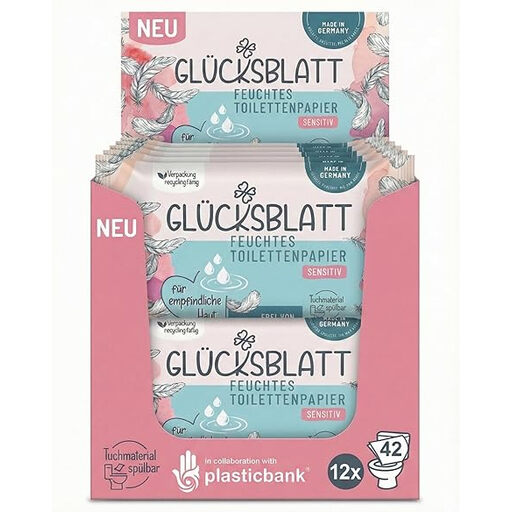
Glücksblatt Sensitive Wet Toilet Paper, 12-Pack
Why This Fits Their Persona: Ideal for the family household, where a large supply and a skin-friendly formula are needed for all ages. The bulk pack offers excellent value for money and reduces the need for frequent shopping trips.
Bypasses the "sensitive" trap by explicitly avoiding perfumes and dyes, making it a reliable choice for sensitive skin and allergy sufferers.
Made in Germany, dermatologically tested, and crafted from FSC-certified paper. The packaging is fully recyclable.
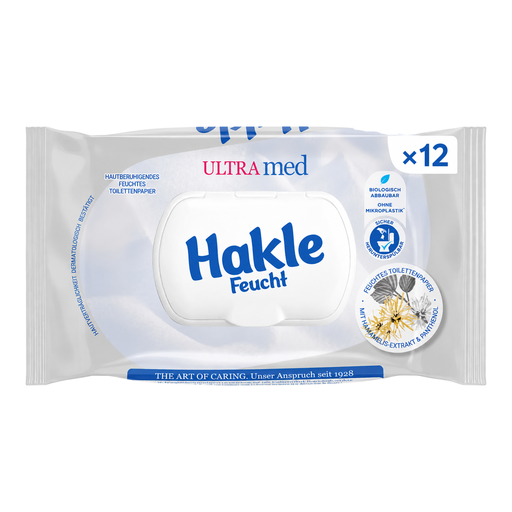
Hakle Ultra Med Moist Toilet Tissues
Why This Fits Their Persona: Designed for users who refuse to compromise on skin compatibility. The formula is specifically tailored to care for the sensitive intimate area.
This product goes beyond a simple "sensitive" label by omitting perfume and instead including nourishing ingredients like panthenol and witch hazel extract.
The wipes are rapidly water-soluble, biodegradable, and free of microplastics. Made in Germany.
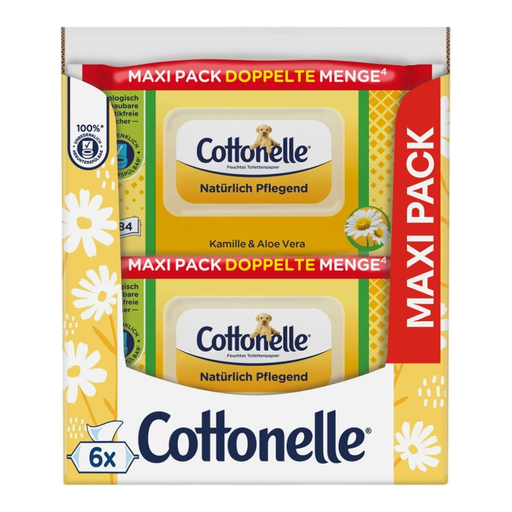
Cottonelle Naturally Caring Moist Wipes
Why This Fits Their Persona: For consumers who value sustainability without compromising on skincare. The combination of plant-based fibres and environmental certifications makes it a responsible choice.
Addresses the "flushable" trap by clearly stating that the wipes are rapidly water-soluble. The composition of natural, plastic-free fibres reinforces its environmental promise.
FSC-certified, biodegradable, and packaged in recyclable packaging with a moisture-lock seal. The formula is pH-neutral and free of dyes.
Looking for More Options?
We've compiled a complete, up-to-date list of products that fully meet these strict selection criteria and German safety regulations.
Frequently Asked Questions (FAQ)
1. How many wet toilet wipes can you flush at once?
Most manufacturers recommend disposing of no more than one or two wet toilet wipes per flush. Even if a product is labelled as flushable wet toilet paper, a larger quantity can strain the pipes. Cautious use is the safest way to avoid clogs.
2. Is wet toilet paper really safe for sewage treatment plants?
These concerns are valid. While modern, cellulose-based wipes do dissolve in water, they do so more slowly than conventional toilet paper. This can lead to increased maintenance at municipal treatment plants. Environmental groups often advise disposing of wet wipes in the household trash to protect wastewater systems.
3. How can I identify wet toilet paper without microplastics?
Look for products whose wipes are declared "plastic-free" or made from "100% plant-based fibres." Biodegradable wet toilet paper made from cellulose or viscose is typically free of synthetic fibres that could enter the environment as microplastics. A look at the product description or packaging will provide this information.